Using Livestock to Increase Cover Crop Profitability
Provided by:
Written By

Related Resources
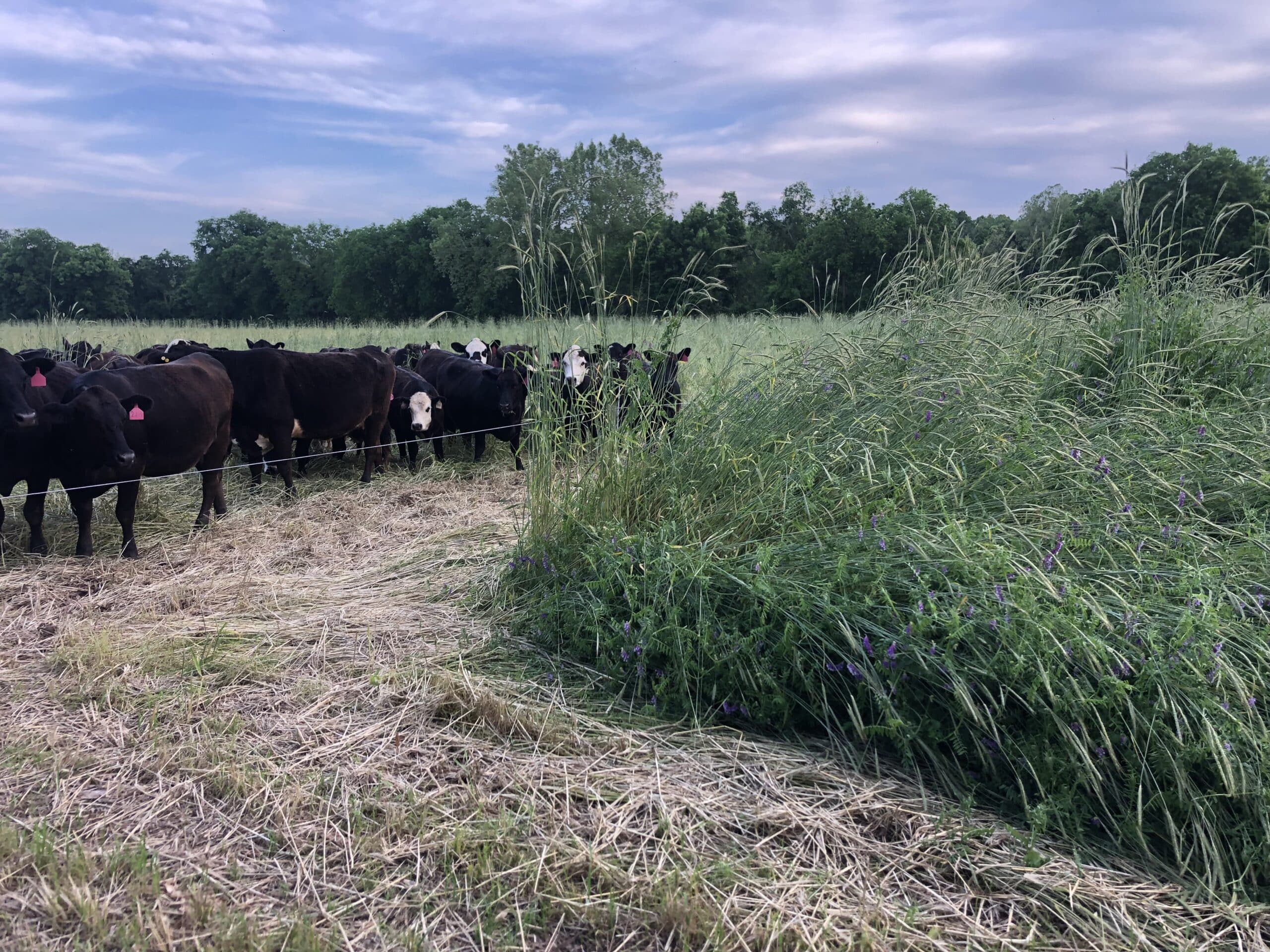
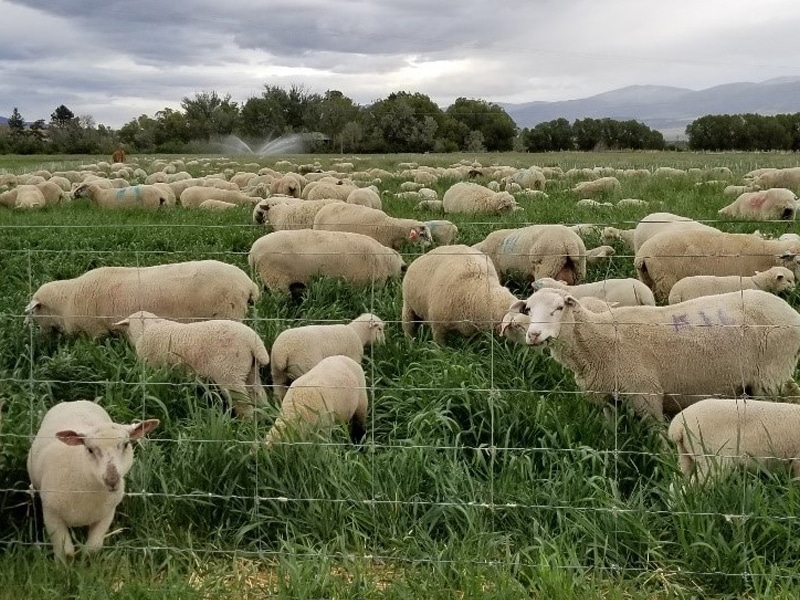
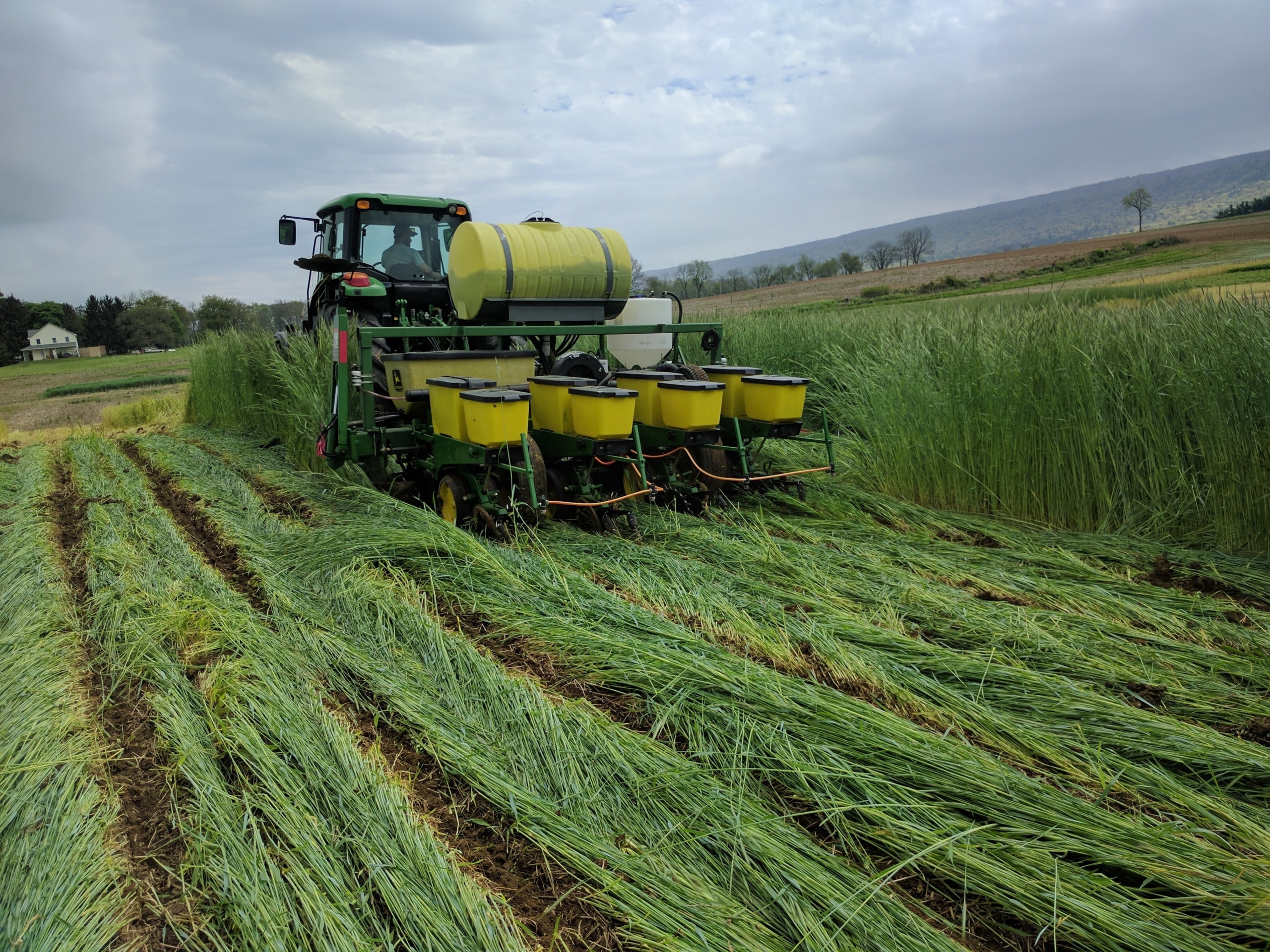
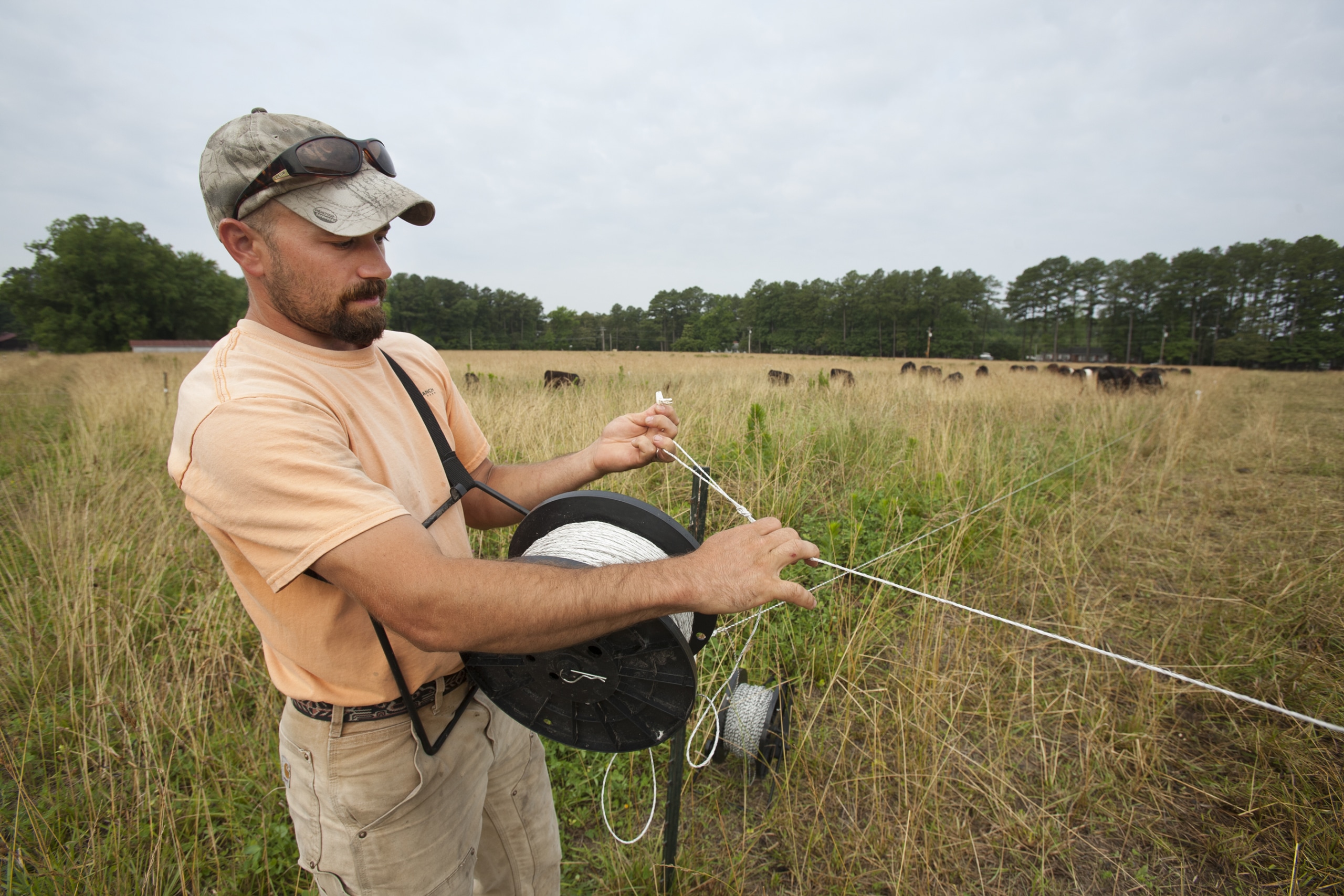
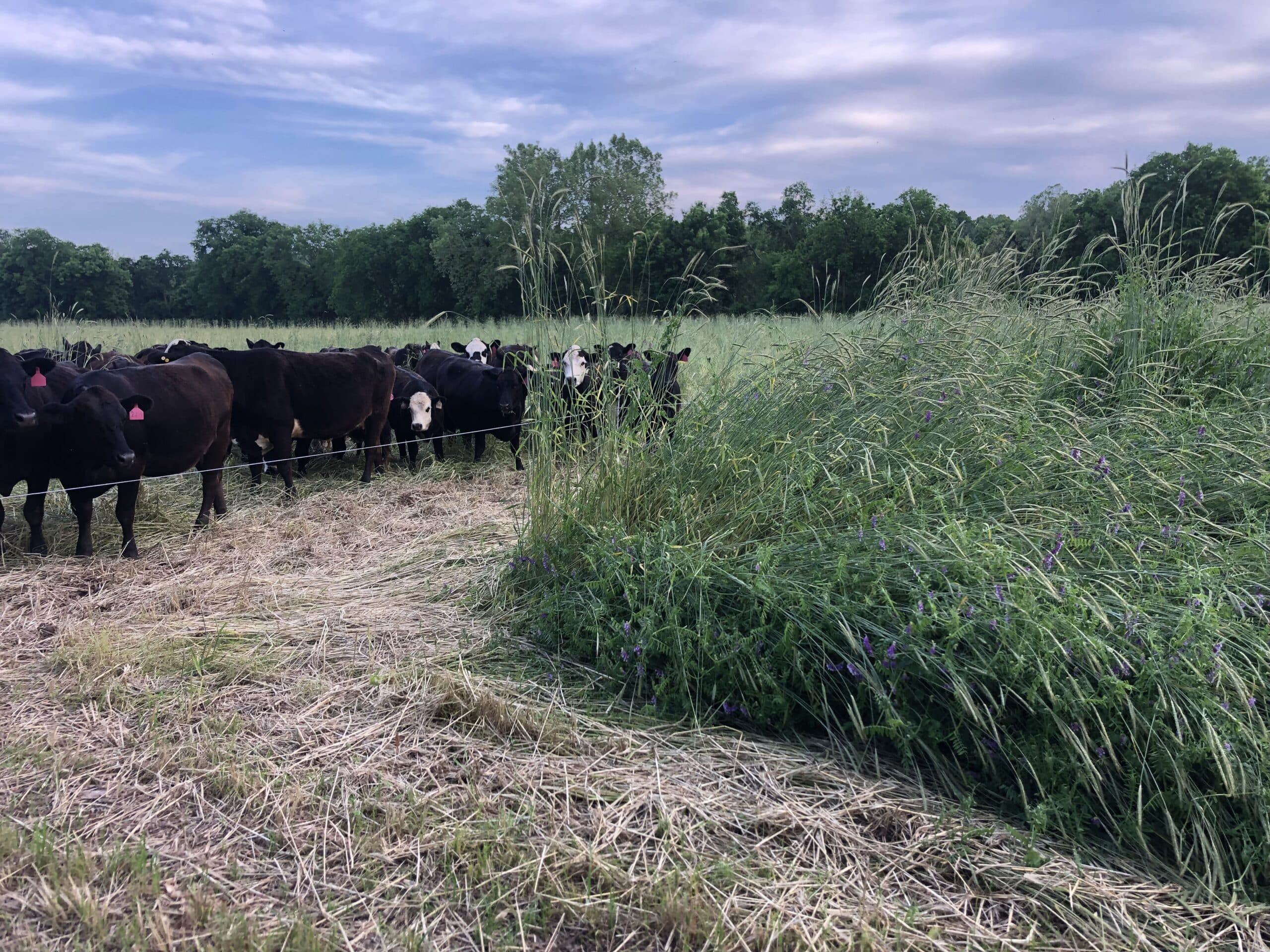
Recently, I learned something about the fine art of cover crop grazing and how it can really help a row crop farmer. This is something I found to be almost akin to magic—grazing cover crops can significantly increase both the health of the soil and the chances of making a profit the first year of cover cropping, compared with using cover crops with no livestock grazing. This is because grazed cover crops can transform what would have been fallow crop land into economically productive land that supports livestock.
For most farmers just planting their first cover crop, there is a learning curve. Farmers must consider when to plant, when to terminate, and how to fit the cover crop rotation into that narrow window after the cash crop comes off. It may take a few years for a cover crop to benefit the farm financially, no matter how much good it is doing to the soil. But when cattle or sheep graze the cover (they can even terminate it before putting in the cash crop) you’ve got income from the livestock.
The most important aspect of cover crop grazing is managing the biomass to make it pay. Cover crops should be stocked to remove no more than 50% of the forage (to allow for regrowth and to provide soil cover), so the half that is grazed must be comprised of enough high-quality biomass to meet the maintenance and growth requirements of the livestock. Weight gain of calves or lambs is the yield from a livestock operation, and high quality, high biomass forage is the cheapest way to increase livestock weight gain, and thus, profits.
One way to make cover crop grazing pay is to use low-cost infrastructure, such as temporary fencing and moveable water tanks. Not only is this a cheaper way to manage grazing, compared to permanent fencing and stationary stock tanks, but it allows a producer to move animals regularly between paddocks. In fact, rotating livestock among paddocks and matching forage yield with herd weight can often increase the stocking rate.
Adding livestock to cover crops increases the complexity of an already multifaceted system. There are decisions to make about cover crop species, planting rate and time, how many animal units to stock, when to move them, and when to terminate the cover crop. Performance of plant species varies in different climate zones and responds differently to soil moisture and precipitation. Careful attention is needed to ensure forage quality and yield, since yield is highly correlated with profitability. Producers who experiment and track what happens will learn from their mistakes as well as their successes. What works on one farm may not work elsewhere. Still, some principles apply across the board, such as the variation of temperature and precipitation from one year to another. Producers can make adjustments based on local knowledge, experience, and available infrastructure.
There are a few issues to keep in mind when planting and grazing cover crops, especially in dryland regions. Soil water use prior to cash crop planting and soil compaction from grazing may result in cash crop yield loss. And nitrates and prussic acid in the cover crops can cause livestock health issues. However, management practices help reduce the risk of these potential problems.
For instance, cover cropped soils can lose water through evapotranspiration, and moisture deficits at cash crop planting time may cause subsequent crop yield loss in some semi-arid, dryland cropping areas. This is management-dependent, as well as precipitation-dependent. Producers can offset these losses with livestock income through grazing and through the soil health benefits cover crops provide (i.e., higher water holding capacity from higher levels of organic matter). One key practice to save soil moisture is to leave high surface residue cover on the field. This helps increase water infiltration, keeps the soil cooler, and reduces evaporation. In semi-arid regions, it may take a few years of cover crop grazing on poor soils to build organic matter levels enough to achieve the benefits of increased soil aggregation and water holding capacity.
Another concern is soil compaction from livestock standing, walking, and trampling the soil. Studies have shown that grazing can increase soil bulk density, a measure of pore space in the soil. The higher the bulk density, the more compacted a soil is. However, bulk density values on grazed cropland are most often under the threshold value that could reduce crop root penetration and subsequent crop yield loss.
Cover crops provide many benefits to the soil for long-term improvement in the land’s productivity, but they can seem expensive in the short term. Thoughtful grazing of the cover crop changes the economic picture, resulting in profits from gains of livestock as well as the boost to soil health. Realizing the full benefit of grazing cover crops usually takes several years of consistent practice. It takes time and living microorganisms for the soil to digest organic matter and release the nutrients in crop-available forms again. Especially for those new to cover cropping, it can be a steep learning curve to get the timing right for planting, grazing, and cover crop termination prior to planting the next cash crop. Learning how to select the cover crops that fill the niche needed in your system, then grazing those forages at the right time with the optimum number of animals will require some trial and error as well as patience, but mastering these practices will lead to a successful, profitable, soil-building operation.
The elements introduced in this blog are covered in greater depth in ATTRA’s new publication Increasing Cover Crop Profitability with Livestock. There, you’ll find practical advice such as species selection, how to develop a custom cover crop mix, managing risk of pathogen contamination in vegetable crops, and managing grazing by balancing forage production with livestock demand.
Further Resources
Accelerating Cover Crop Grazing, Wallace Center
https://wallacecenter.org/projects/grazing-cover-crops/
Webinar: Cattle, Cover Crops, Hope, by Allen Williams, Pasture Project
https://pastureproject.org/webinar-archive/cattle-cover-crops-hope-a-pasture-project-and-practical-farmers-of-iowa-webinar/
This blog is produced by the National Center for Appropriate Technology through the ATTRA Sustainable Agriculture program, under a cooperative agreement with USDA Rural Development. NCAT.ORG/ATTRA.