5 Soil Health Principles: Integrate Livestock
Provided by:
About this Video
This video is based upon work that is supported by the Natural Resource Conservation Service, U.S. Department of Agriculture, award number NR203A750001C025. Any opinions, findings, conclusions, or recommendations expressed in this video are those of the author(s) and do not necessarily reflect the views of the U.S Department of Agriculture. USDA is an equal opportunity employer and service provider. This video is produced by the National Center for Appropriate Technology through the ATTRA Sustainable Agriculture program.
Related Resources
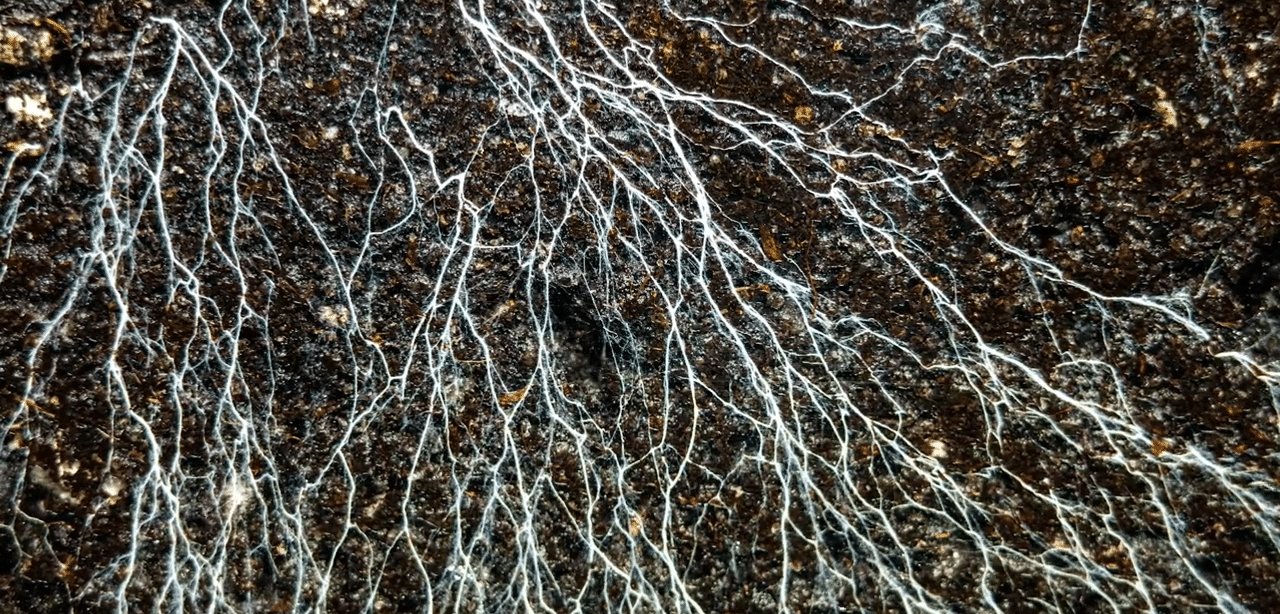

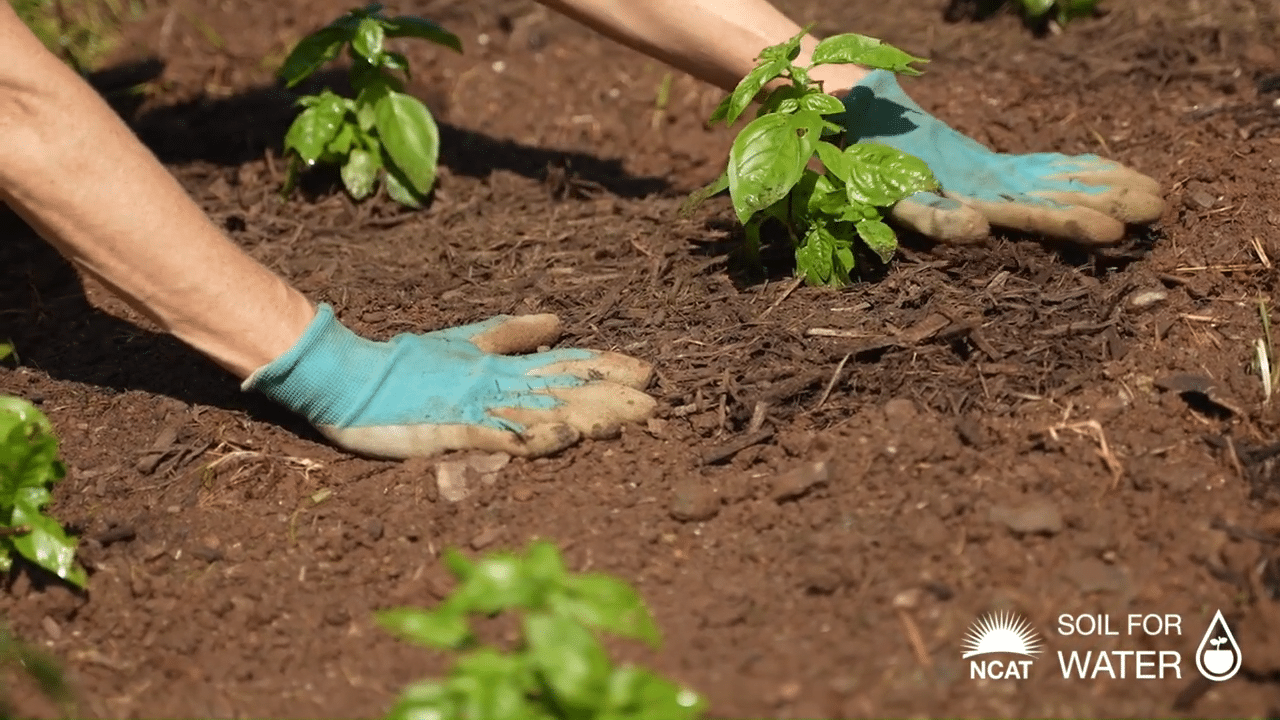
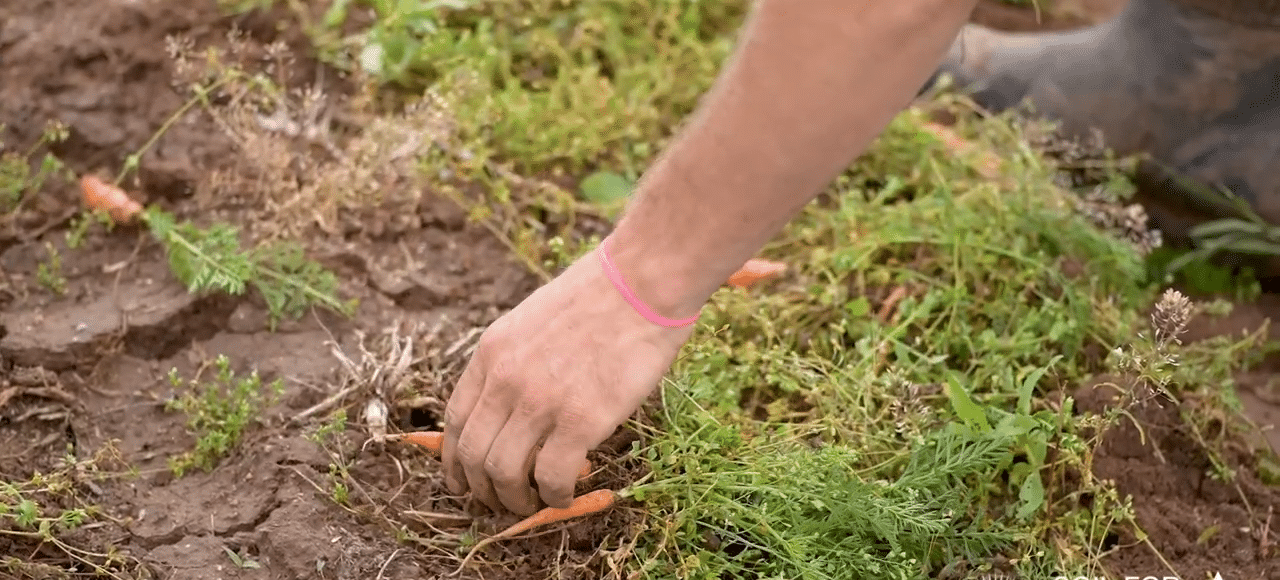
In this video, Texas producers and researchers discuss how proper management of livestock can help the food soil web thrive and provide additional benefits to ranches and cropland.
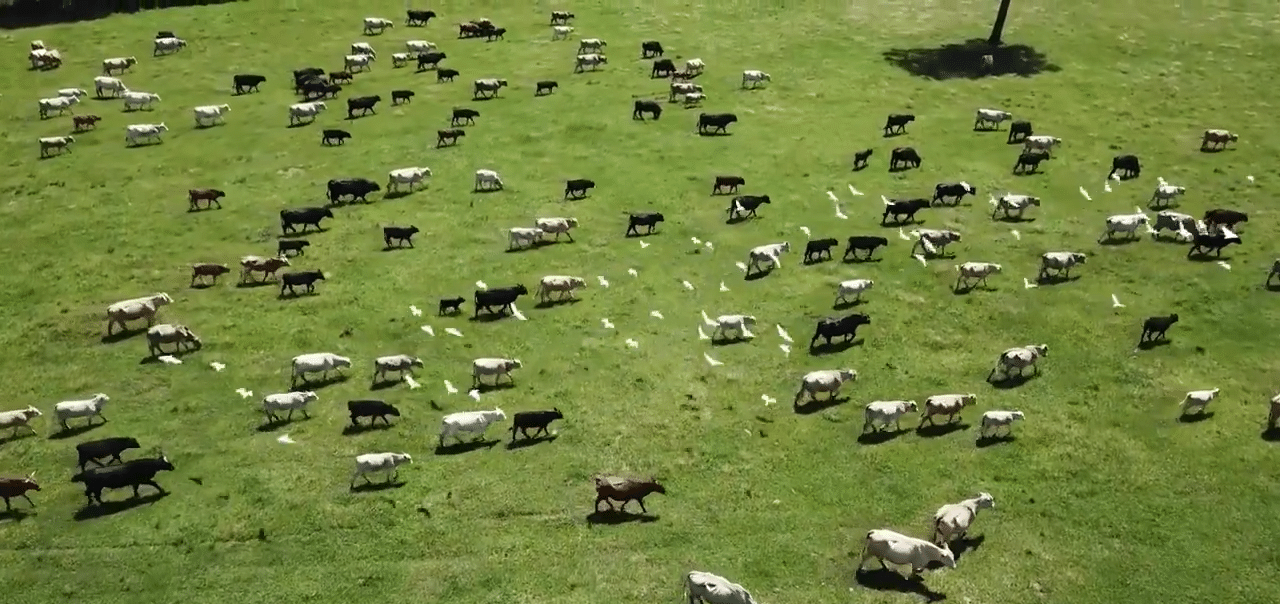
Grazing animals stimulate soil biology through their hoof action, dung, and urine. Through proper adaptive management with adequate grazing and recovery periods during different seasons, they can help native forage plants regrow, manage weeds, and help convert standing dry plant residue into beneficial soil organic matter.
Pasture grazing efficiently recycles most nutrients, minerals, vitamins, and carbon to the land. It reduces dependence on confined feeding operations, which have a large impact on the environment and water quality.