5 Soil Health Principles: Increase Biodiversity
Provided by:
About this Video
This video is based upon work that is supported by the Natural Resource Conservation Service, U.S. Department of Agriculture, award number NR203A750001C025. Any opinions, findings, conclusions, or recommendations expressed in this video are those of the author(s) and do not necessarily reflect the views of the U.S Department of Agriculture. USDA is an equal opportunity employer and service provider.
This video is produced by the National Center for Appropriate Technology through the ATTRA Sustainable Agriculture program.
Related Resources
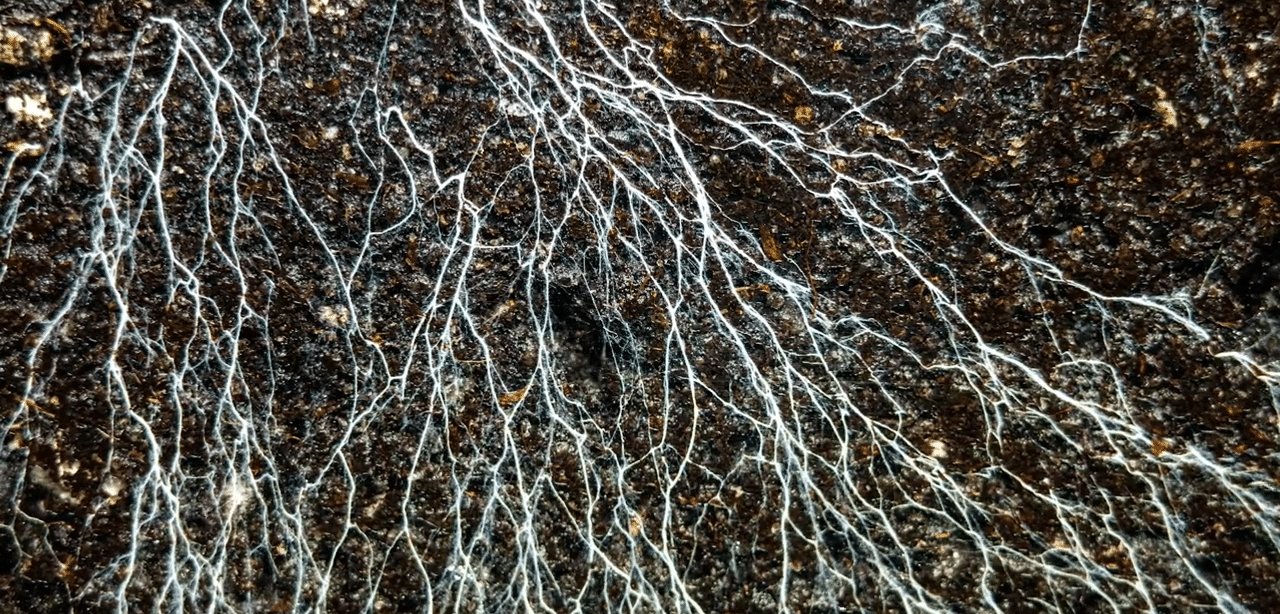
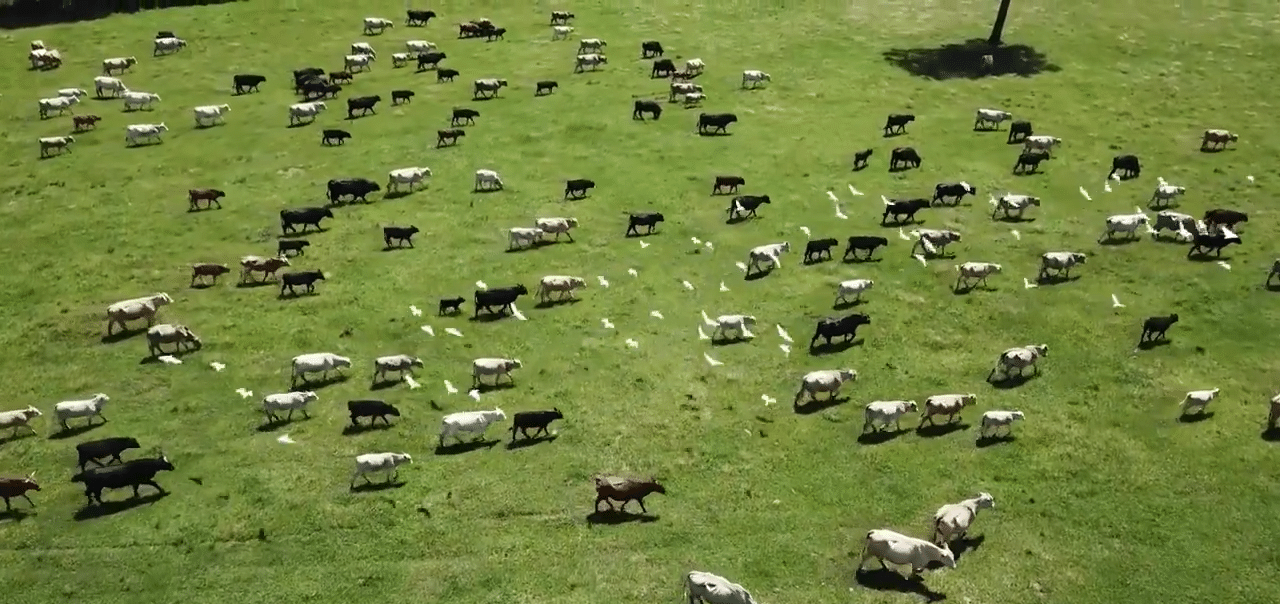
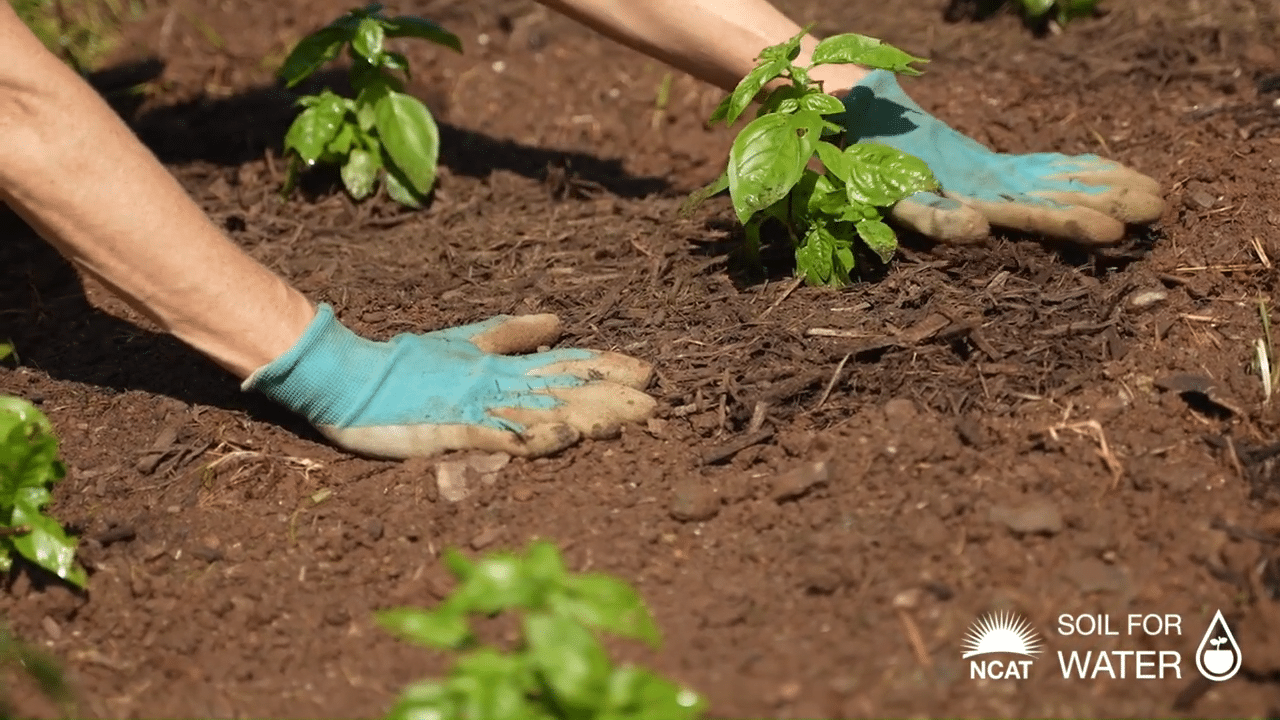
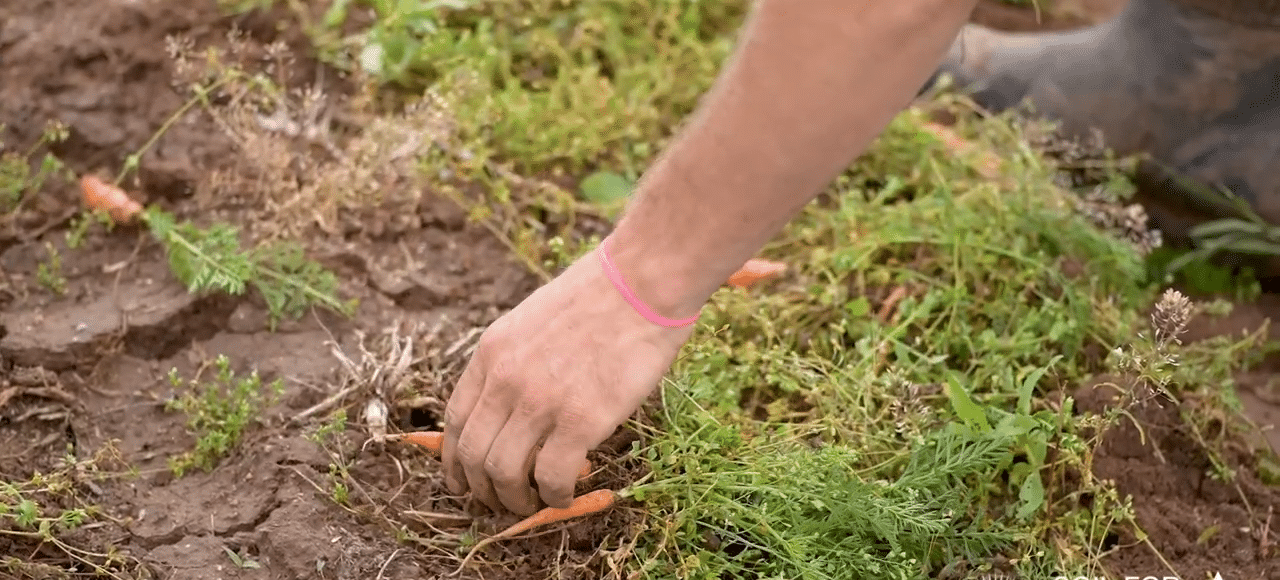
In this video, Texas producers and researchers explain how increasing biodiversity benefits the soil food web, improves water infiltration and nutrient cycling, and reduces diseases and pests.
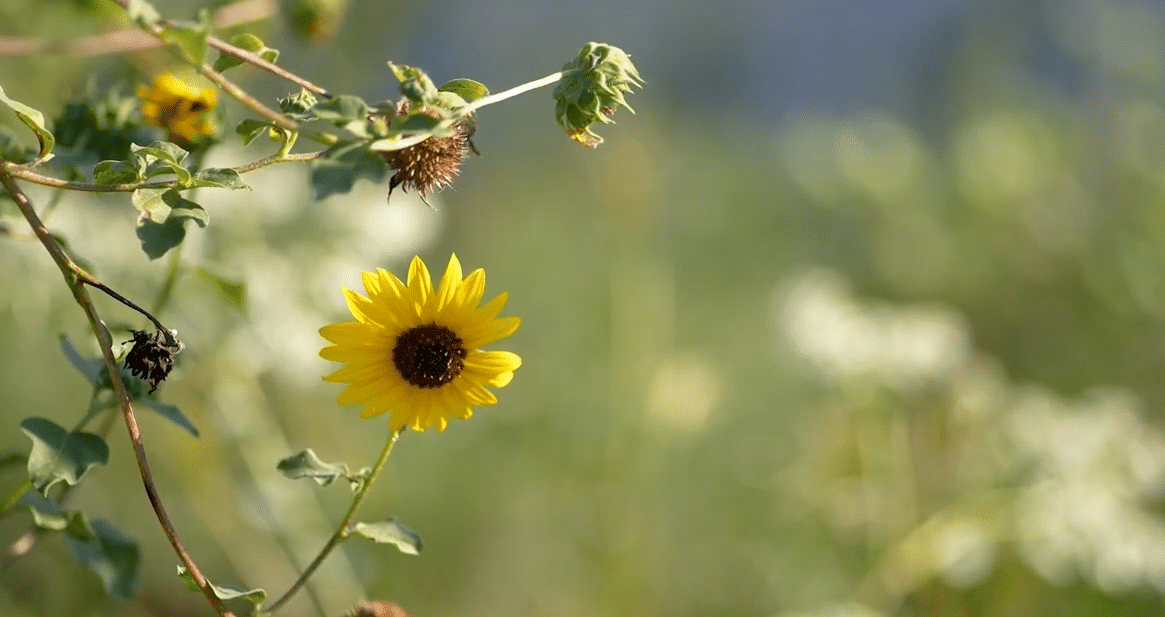
By restoring or mimicking diverse native plant communities in our range and croplands, we can improve soil structure and function, increase soil fertility, and create habitat for myriad beneficial living organisms. There are many ways to increase diversity, such as intercropping, growing multispecies cover crops, or switching up crop rotations. Together, the roots and soil microbes create glues and pores in the soil that allow air and water to move freely, nourishing the plants, which then can grow and capture more sunlight and carbon dioxide – it’s a wondrous cycle of growth and efficiency that builds dark, rich, mellow soils.