5 principios para la salud del suelo: Aumentar la biodiversidad
Proporcionado por:
Acerca de este video
Este video se basa en un trabajo que cuenta con el apoyo del Servicio de Conservación de Recursos Naturales del Departamento de Agricultura de los Estados Unidos, número de subvención NR203A750001C025. Cualquier opinión, hallazgo, conclusión o recomendación expresada en este video es responsabilidad de los autores y no refleja necesariamente los puntos de vista del Departamento de Agricultura de los Estados Unidos. El USDA es un empleador y proveedor de servicios que promueve la igualdad de oportunidades.
Este video ha sido producido por el Centro Nacional de Tecnología Apropiada a través del programa de Agricultura Sostenible de ATTRA.
Recursos relacionados
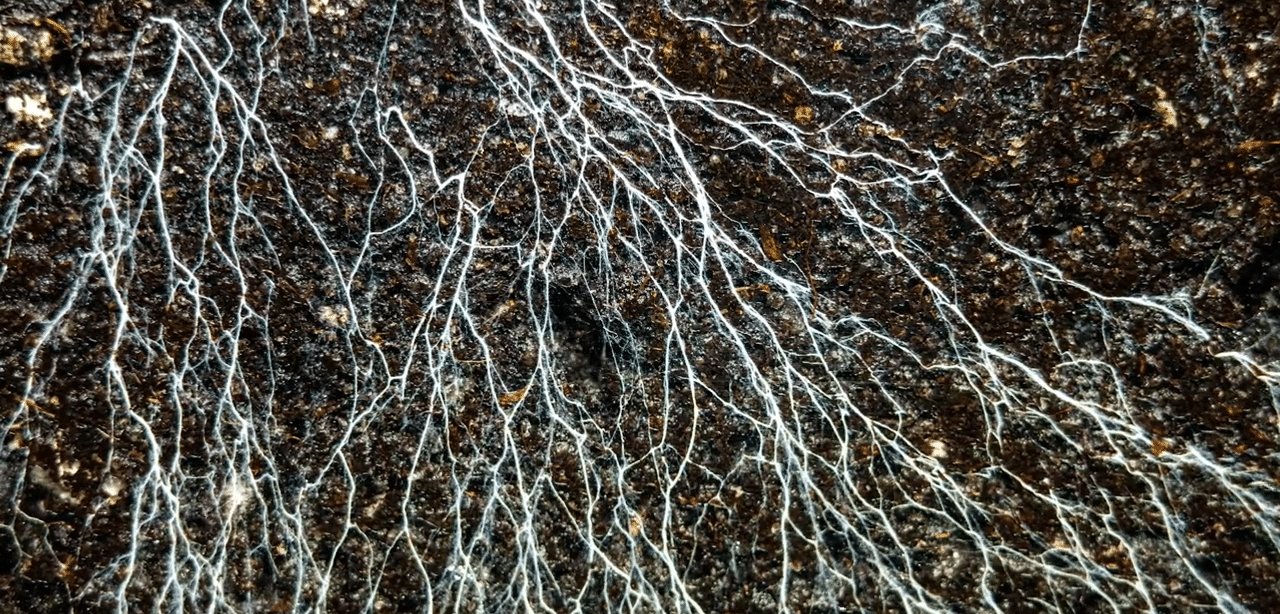

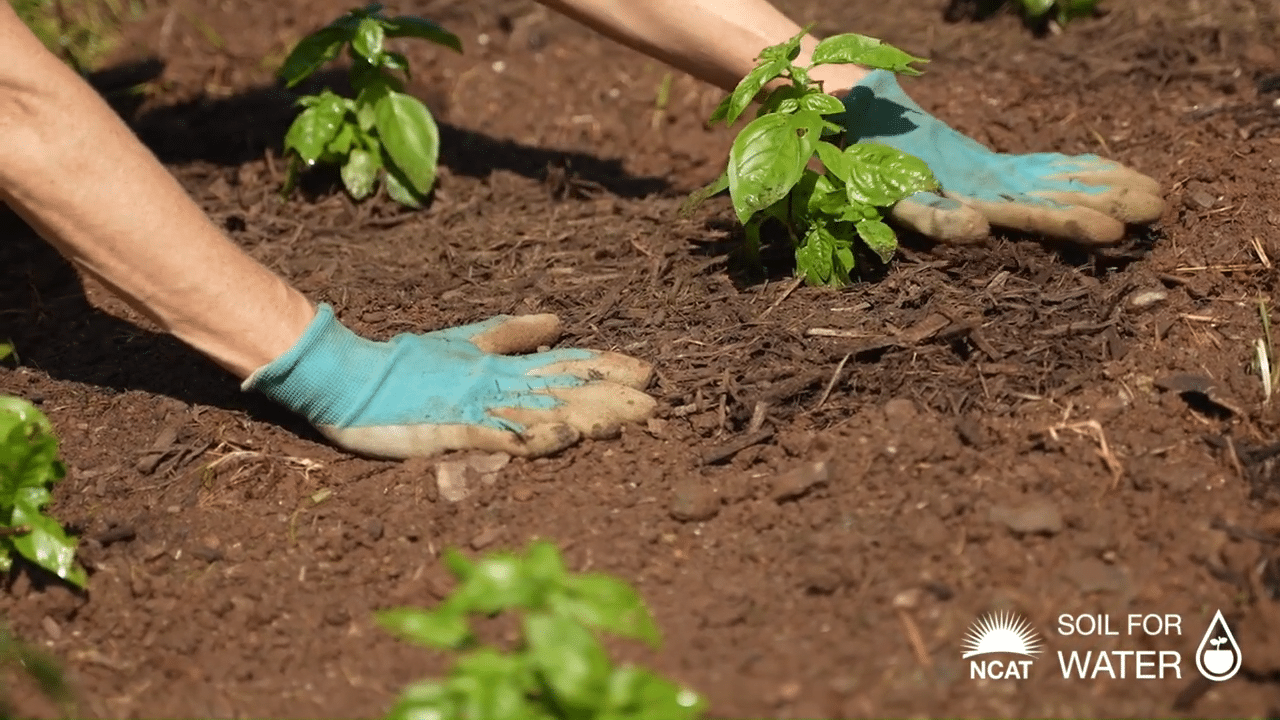
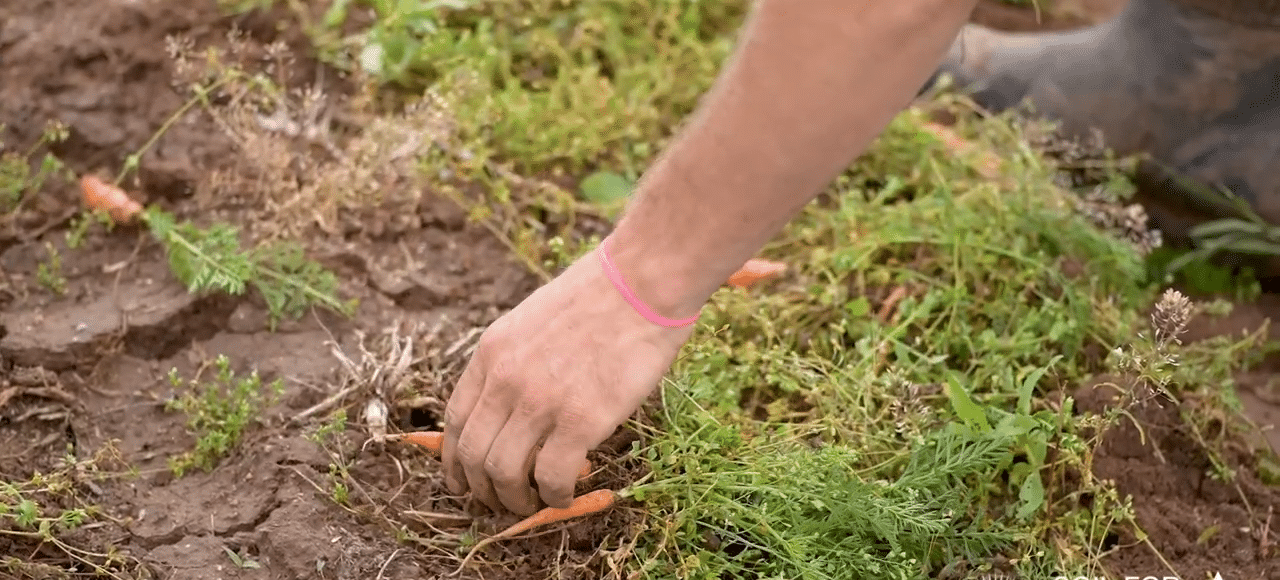
En este video, productores e investigadores de Texas explican cómo el aumento de la biodiversidad beneficia a la red trófica del suelo, mejora la infiltración del agua y el ciclo de los nutrientes, y reduce las enfermedades y las plagas.
Al restaurar o imitar diversas comunidades de plantas nativas en nuestras áreas de distribución y tierras de cultivo, podemos mejorar la estructura y la función del suelo, aumentar la fertilidad del suelo y crear hábitats para una gran variedad de organismos vivos beneficiosos. Hay muchas formas de aumentar la diversidad, como los cultivos intercalados, el cultivo de cultivos de cobertura con múltiples especies o la variación de las rotaciones de cultivos. Juntas, las raíces y los microorganismos del suelo crean una especie de «pegamento» y poros en el suelo que permiten que el aire y el agua se muevan libremente, nutriendo a las plantas, las cuales a su vez pueden crecer y capturar más luz solar y dióxido de carbono; es un ciclo maravilloso de crecimiento y eficiencia que forma suelos oscuros, ricos y sueltos.