5 principios de salud del suelo: Manejo de la alteración del suelo
Proporcionado por:
Acerca de este video
Este video se basa en un trabajo financiado por el Servicio de Conservación de Recursos Naturales del Departamento de Agricultura de los Estados Unidos, con el número de subvención NR203A750001C025. Las opiniones, hallazgos, conclusiones o recomendaciones expresadas en este video son las de los autores y no reflejan necesariamente los puntos de vista del Departamento de Agricultura de los Estados Unidos. El USDA es un empleador y proveedor de servicios que promueve la igualdad de oportunidades.
Este video ha sido producido por el Centro Nacional de Tecnología Apropiada a través del programa de Agricultura Sostenible de ATTRA.
Recursos relacionados
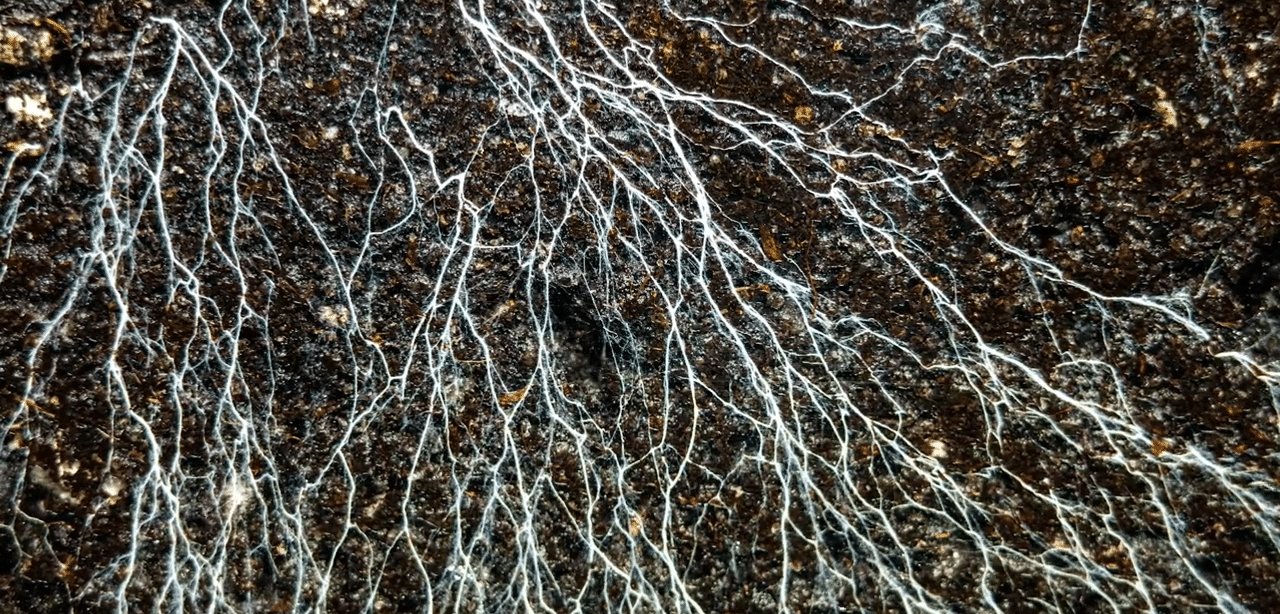

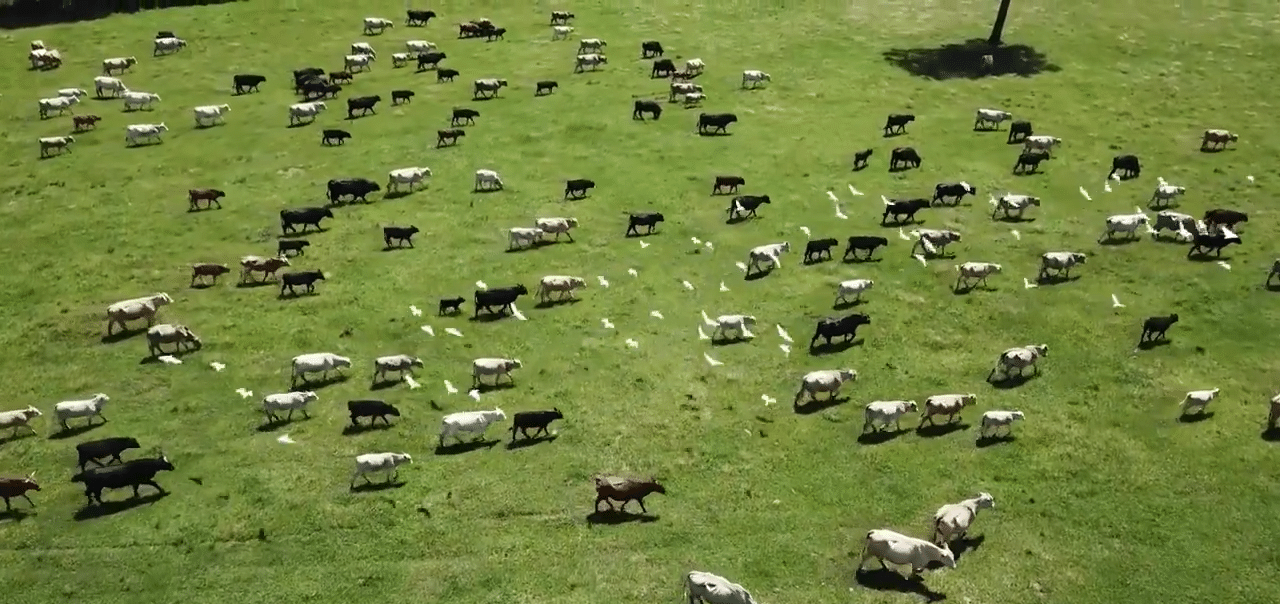
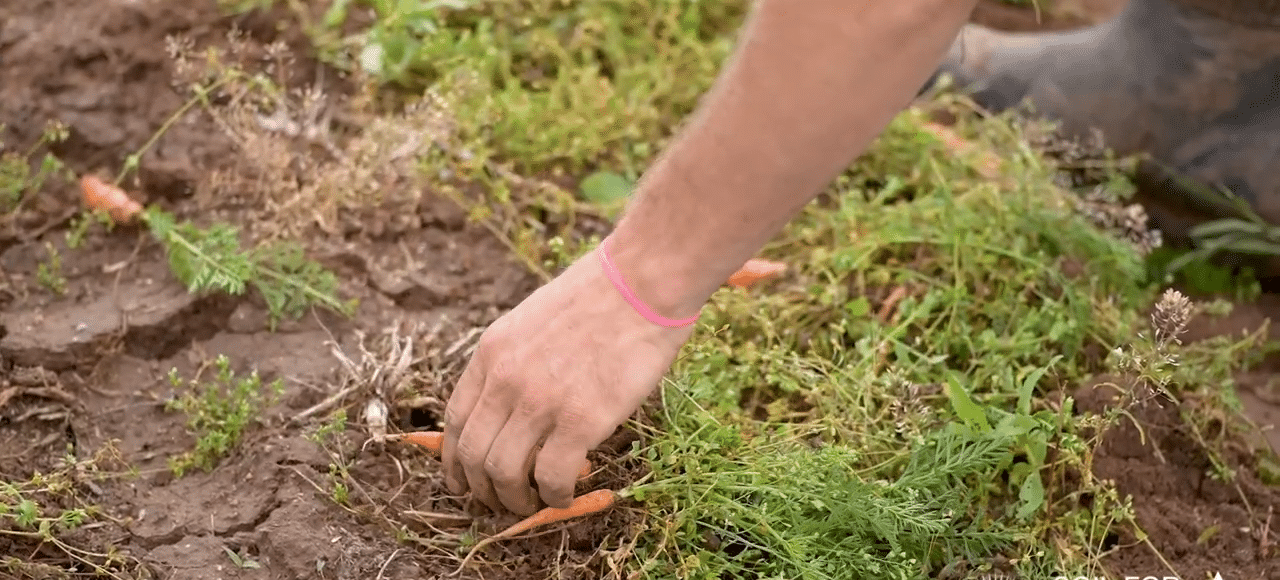
En este video, productores e investigadores de Texas analizan cómo el manejo de las perturbaciones puede ayudar a aumentar la agregación del suelo, prevenir la compactación y mejorar la salud del suelo. Las perturbaciones del suelo se presentan de tres formas diferentes:
• Alteración biológica excesiva debido al pastoreo excesivo, lo que limita la capacidad de las plantas para absorber dióxido de carbono y aprovechar la luz solar
• Alteración química provocada por el uso excesivo de nutrientes y pesticidas, lo que perturba funciones esenciales de la red trófica del suelo
• La alteración física provocada por el laboreo y la compactación, que puede eliminar los espacios porosos necesarios para retener agua y aire. También puede causar erosión eólica e hídrica, encharcamientos, formación de costras y agotamiento de la materia orgánica. Reducir la alteración dañina del suelo es una buena forma de comenzar a reconstruir los agregados del suelo, los espacios porosos, la cohesión del suelo y la materia orgánica.