5 principios de la salud del suelo: raíces vivas en todo momento
Proporcionado por:
Acerca de este video
Este video se basa en un trabajo financiado por el Servicio de Conservación de Recursos Naturales del Departamento de Agricultura de los Estados Unidos, con el número de subvención NR203A750001C025. Las opiniones, hallazgos, conclusiones o recomendaciones expresadas en este video son las de los autores y no reflejan necesariamente los puntos de vista del Departamento de Agricultura de los Estados Unidos. El USDA es un empleador y proveedor de servicios que promueve la igualdad de oportunidades.
Este video ha sido producido por el Centro Nacional de Tecnología Apropiada a través del programa de Agricultura Sostenible de ATTRA.
Recursos relacionados


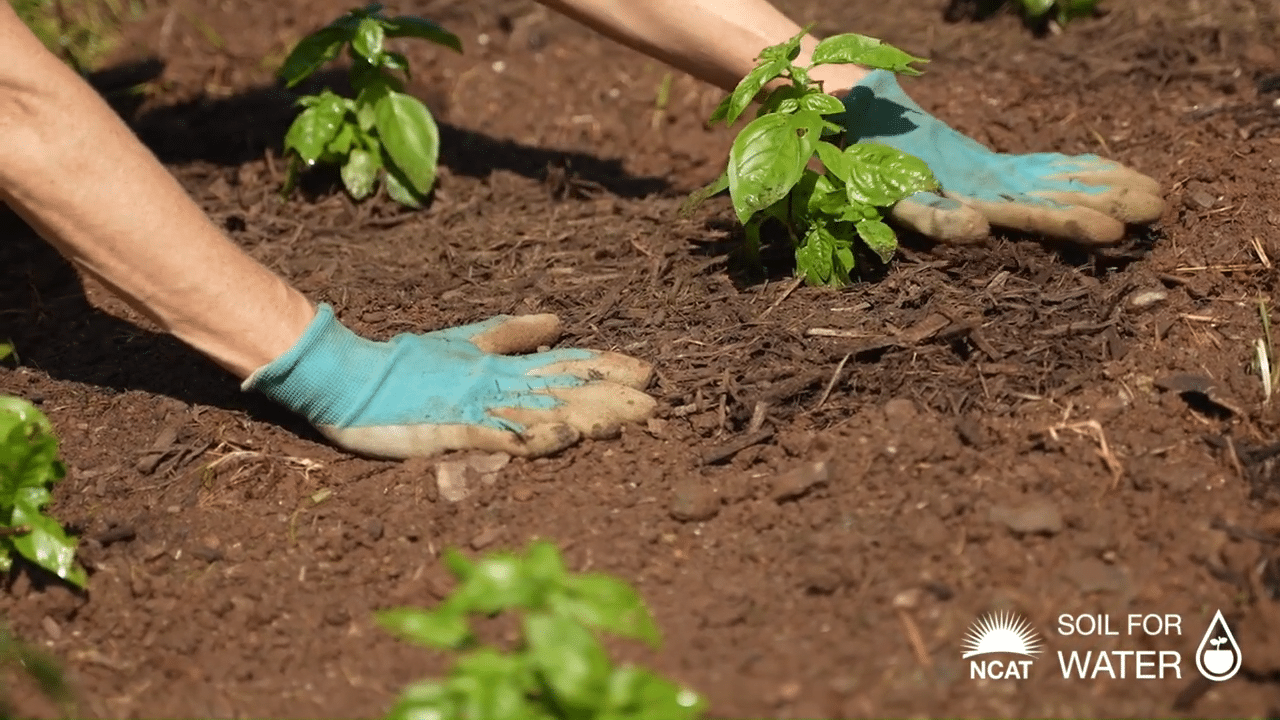
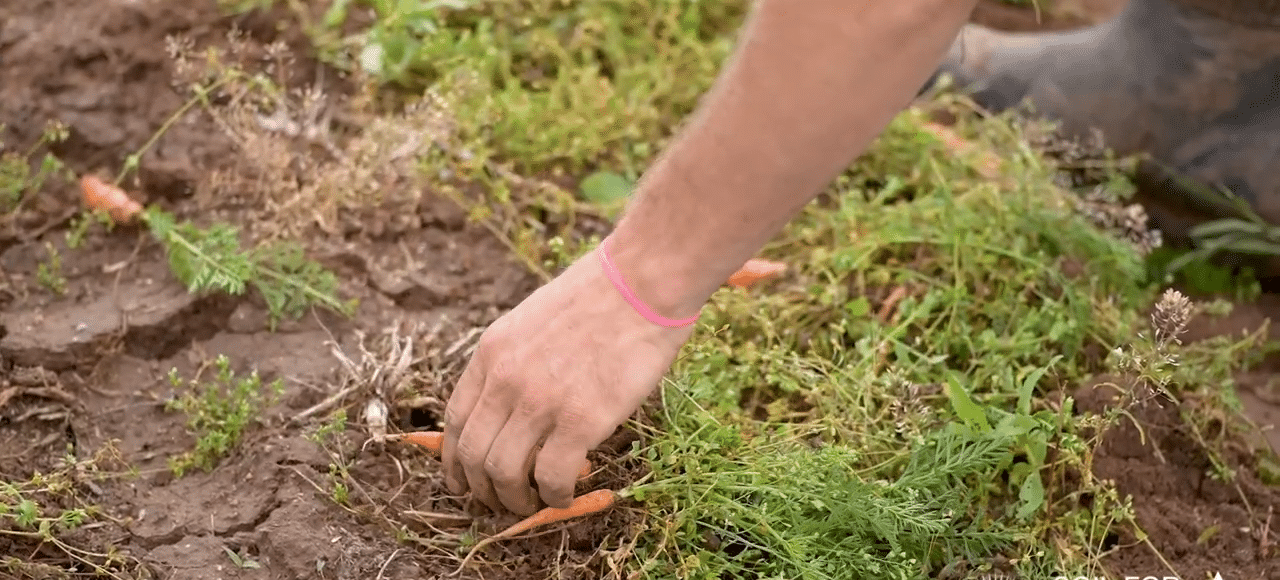
En este video, productores e investigadores de Texas analizan cómo el mantenimiento de plantas vivas en tierras de cultivo, pastizales y praderas ayuda a capturar el dióxido de carbono atmosférico y ofrece beneficios adicionales:
• Ayuda a nutrir el suelo durante muchos meses al año con exudados radiculares a base de carbono, que constituyen las principales fuentes de alimento para la red trófica del suelo.
• Estimula a los microorganismos para que formen agregados y espacios porosos en el suelo, lo que mejora la salud de las plantas, la infiltración del agua y los ciclos de los minerales.
• Ayuda a filtrar los nutrientes inorgánicos y evita que lleguen a las masas de agua.
• Ayuda a controlar la salinidad y proporciona alimento y hábitat para los polinizadores beneficiosos y la vida silvestre.