Sustainable Agriculture

Abundant Ogallala

Regenerative Agriculture for a Water-Scarce Future in the Southern High Plains

When it comes to the Southern Great Plains, conservation needs are diverse, the stakes are huge, and the outcomes will be dire if we fail to meet the challenges ahead.

The Ogallala Aquifer supplies nearly all water for municipal, industrial, and agricultural uses in the region. The regional economy hinges on agriculture, yet at current pumping rates, more than a third of the Southern High Plains may be unable to support irrigation within the next 30 years. Playas, wetlands, and grasslands of the region support rare and declining wildlife such as the Lesser Prairie Chicken. Rapid, widespread adoption of regenerative agroecological practices is the most promising pathway to simultaneously conserve precious groundwater resources, enhance wildlife habitat, increase soil health, and improve long-term sustainability of ag operations and rural communities for the future. NCAT is here to provide conservation planning and technical assistance to help farmers and ranchers foster conservation across the Southern Plains.
Conservation Plans

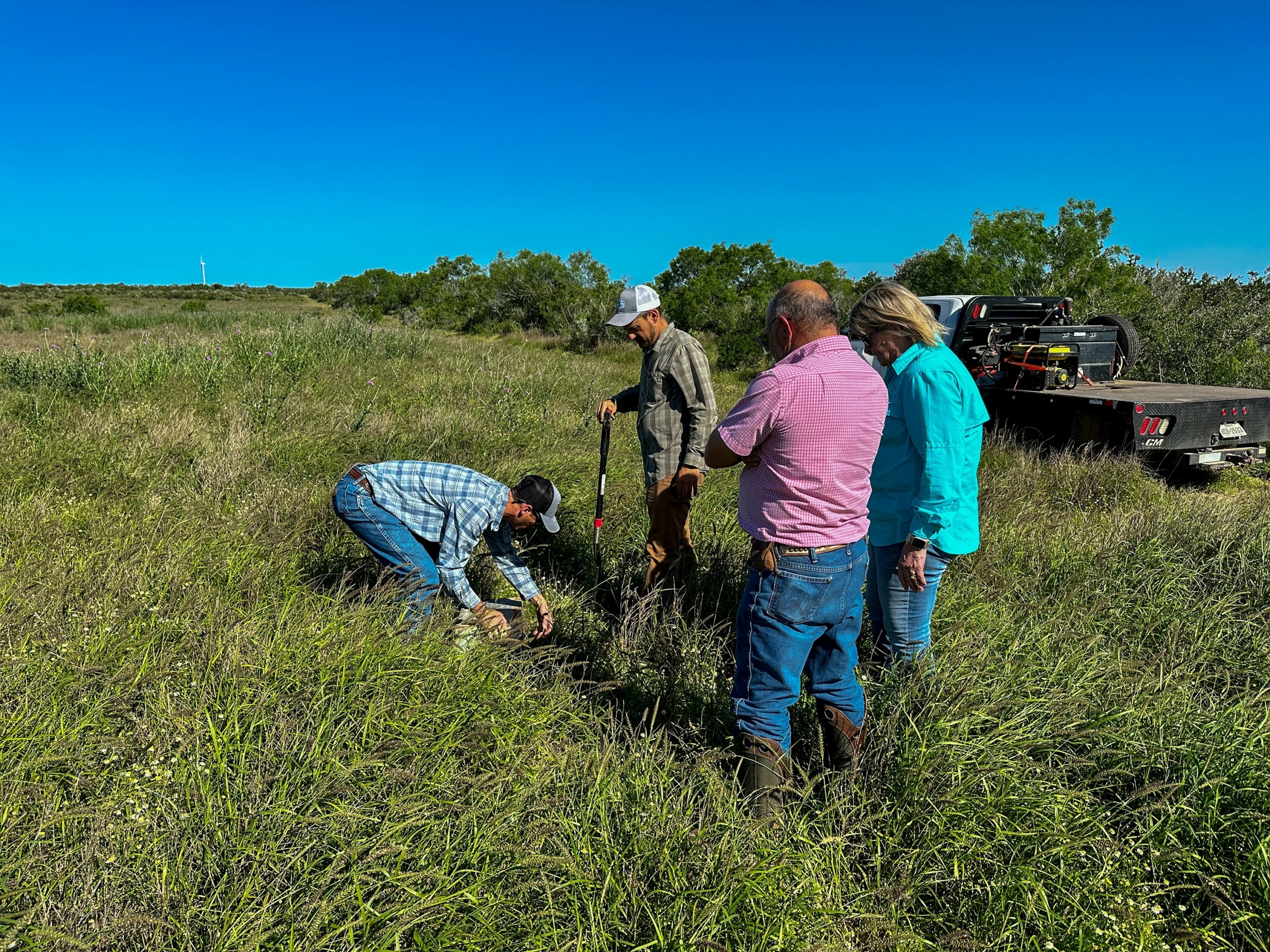
The Abundant Ogallala program offers a practical path toward greater resilience and long-term sustainability. By participating, you’ll gain access to expert support for conservation planning—at no cost and with no strings attached.

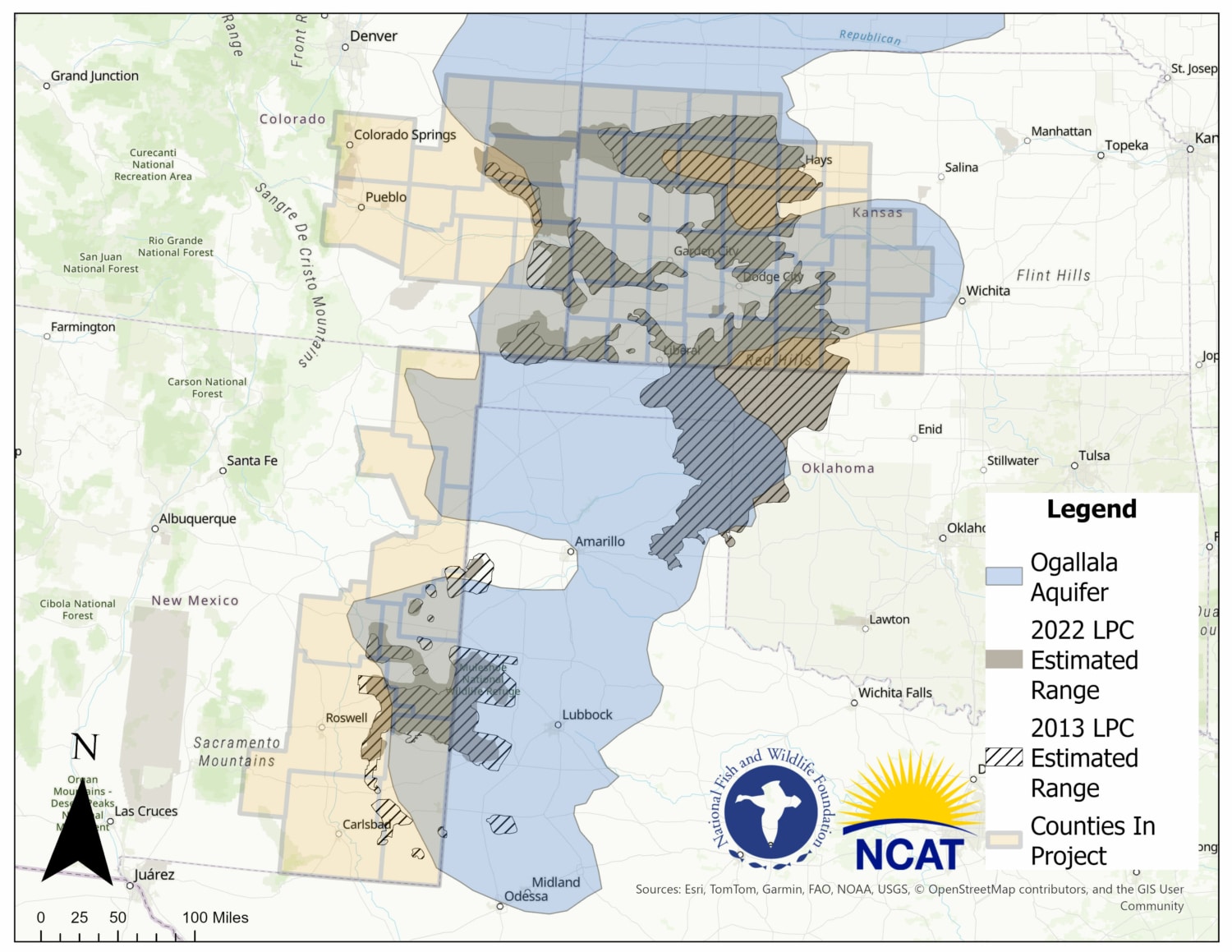
Producers in these counties are eligible to participate:

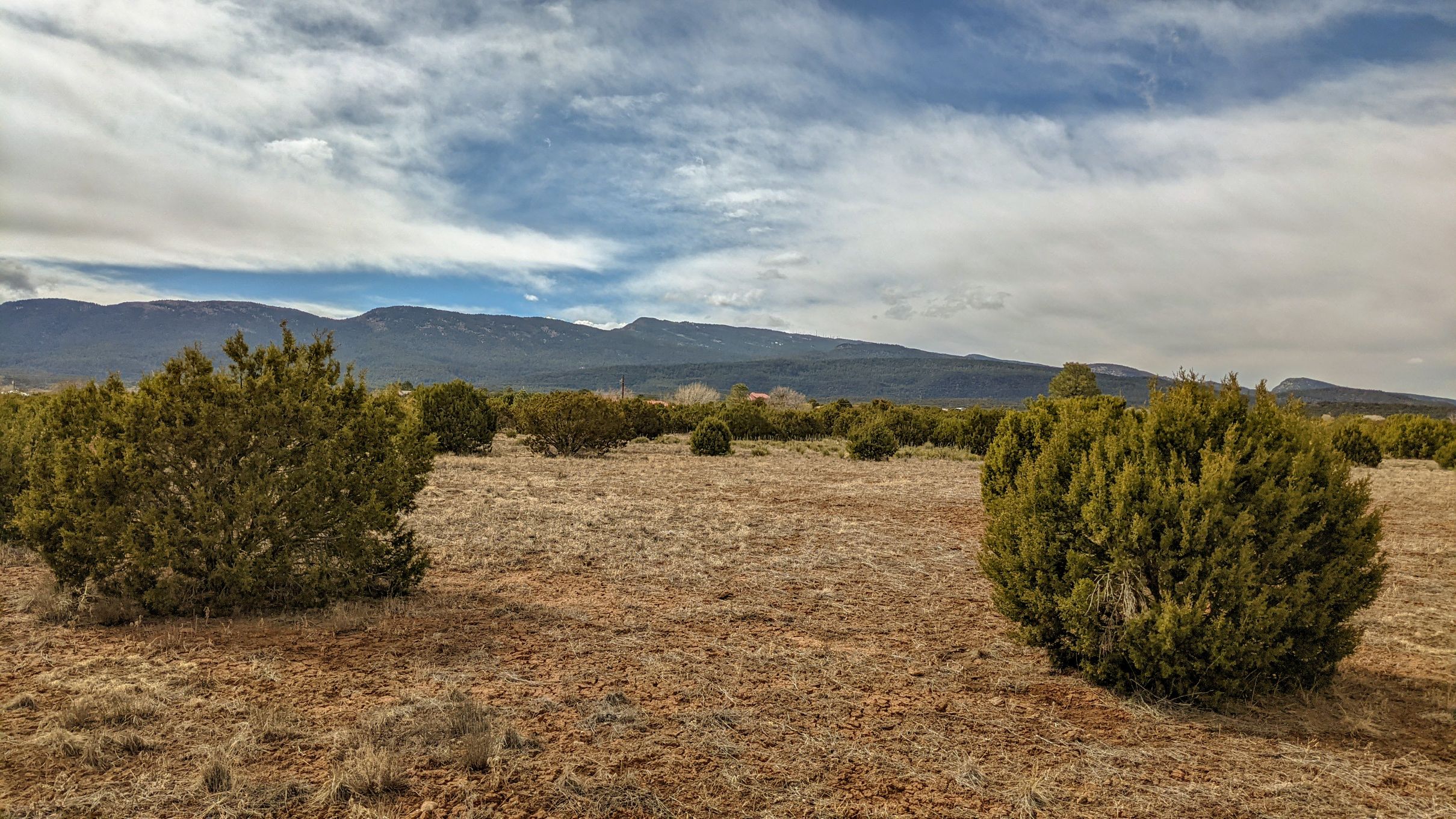
Scrub bushes in New Mexico field with mountains in the background
New Mexico
Chaves, Curry, De Baca, Eddy, Harding*, Lea, Quay, Roosevelt, Union*
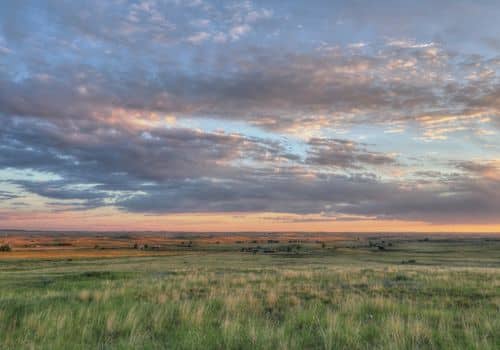
A photo of the Eastern Colorado plains, with green grass, brown, rolling hills in the distance, and clouds in a blue and pink sky
Colorado
Baca, Bent*, Cheyenne, Crowley*, El Paso*, Kiowa, Kit Carson, Lincoln, Otero*, Prowers, Pueblo*
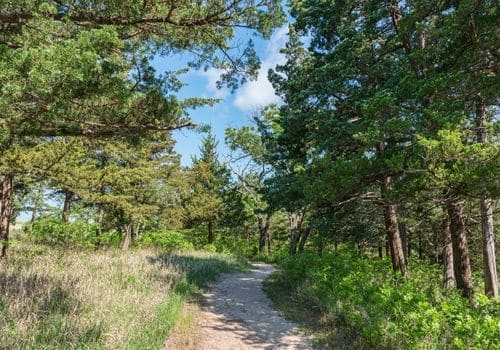
A dirt lane winds through a stand of trees and grasses in Kansas.
Kansas
Barber, Barton*, Clark, Comanche, Edwards, Ellis, Finney, Ford, Gove, Graham, Grant, Grey, Freeley, Hamilton, Harper*, Haskell, Hodgemen, Kearny, Kingman*, Kiowa, Lane, Logan, Meade, Morton, Ness, Pawnee, Pratt, Reno*, Rice*, Rush, Russell, Scott, Steward, Sheridan, Sherman, Stafford, Stanton, Stevens, Thomas, Trego, Wallace, Witchita

Why Participate?

Why Participate?

What’s good for the Lesser Prairie Chicken is good for the soil.

Many conservation practices help build Lesser Prairie Chicken habitat and soil simultaneously.

What’s good for the Lesser Prairie Chicken is good for the farmer.

With a little planning, good Lesser Prairie Chicken habitat and farms can co-exist. All while keeping your water on your farm. Ready to make a plan?

What’s good for the Lesser Prairie Chicken is good for the rancher.

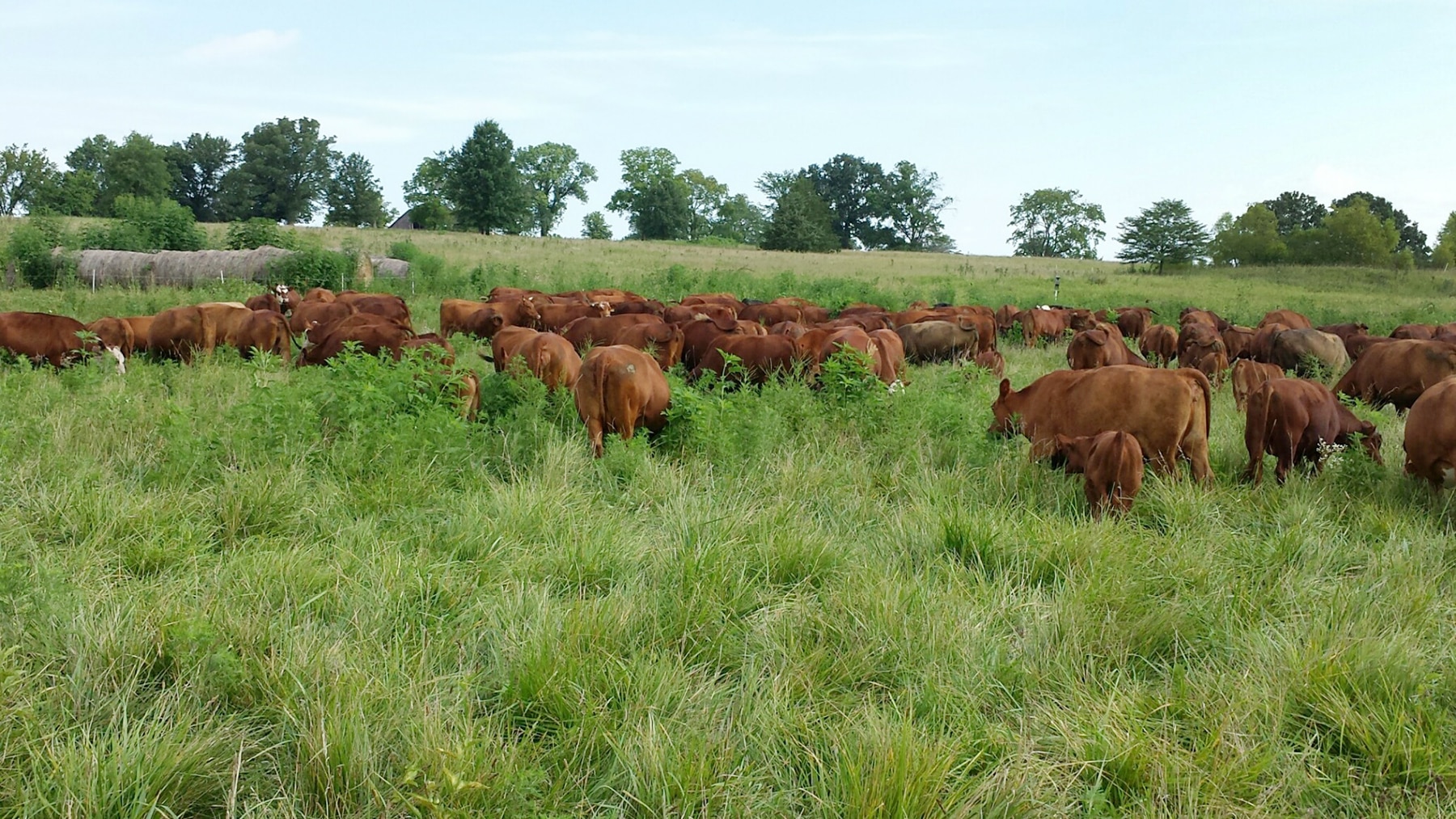
Livestock and wildlife can flourish together with proper management that restores the soil sponge. Want to soak up more rain?

What’s good for the Lesser Prairie Chicken is good for the bottom line.

Conservation practices have been proven to keep your natural resources in place and create resiliency through fluctuating rainfalls. Do you like keeping your money and resources in your control?

What’s good for the Lesser Prairie Chicken is good for the environment.

The wider that conservation practices are implemented, the more successes we see both upstream and downstream. Want to join your neighbor in conservation land stewardship?

What’s good for the Lesser Prairie Chicken is good for ALL.

Lesser Prairie Chicken, tomatoes, wheat, cows, farmers, ranchers, anglers, nature enthusiasts, and water drinkers ALL benefit from conservation practices that regenerate land, keep natural resources in place, and increase Lesser Prairie Chicken habitat.

Learn more about the Ogallala Aquifer and the wildlife, vegetation, and crops of the Southern High Plains.

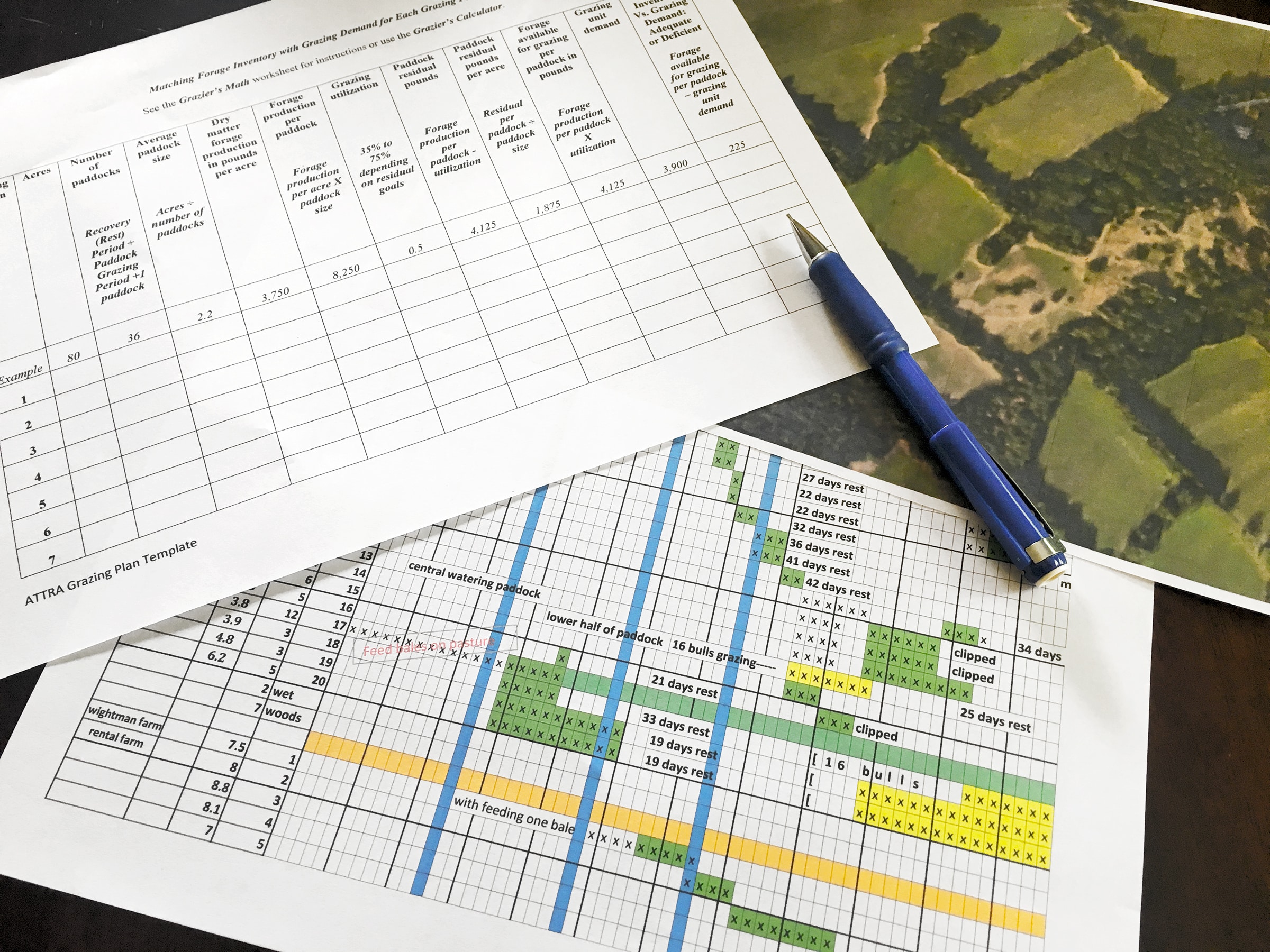
Our workbook includes guidance on developing a monitoring and drought plan. It serves as an adaptable tool for developing a working lands conservation plan, whether a producer is working with a technical assistance provider or is interested in writing a conservation plan on their own.

From the Fish & Wildlife Service

The Lesser Prairie Chicken’s decline is a sign our native grasslands and prairies are in peril.

- Amy Leuders, Southwest Regional Director for U.S. Fish & Wildlife Service

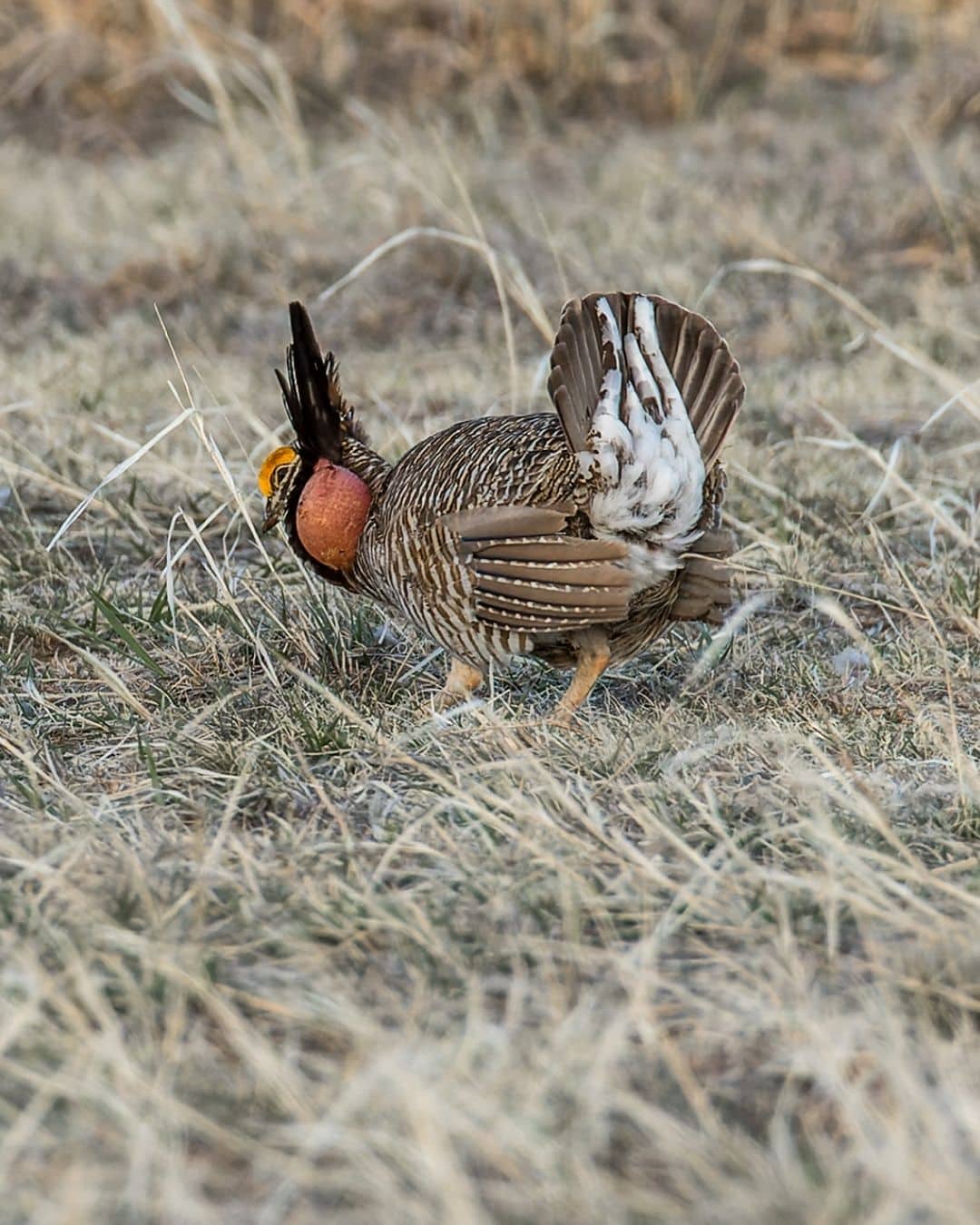
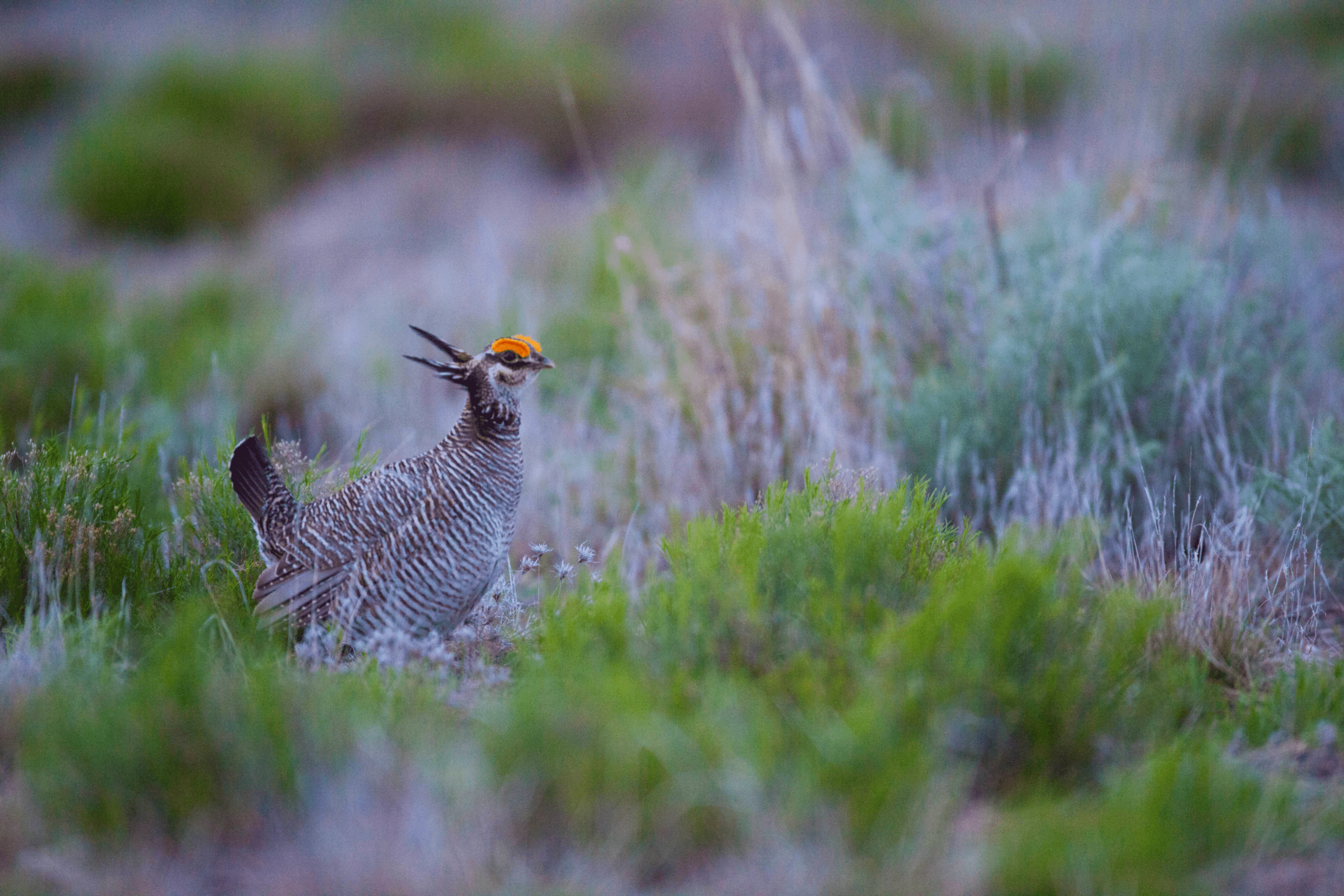
A male Lesser Prairie Chicken displaying at a lek.

This project is funded by the
National Fish and Wildlife Foundation

This is a project of the Abundant Ogallala: Regenerative Agriculture for a Water-Scarce Future in the Southern High Plains project, supported by the National Wildlife Fish and Wildlife Foundation under grant number 2004.24.081758. NCAT and NFWF are equal opportunity employers and service providers. ©2025 NCAT

Need advice?
Ask an ag expert.

Call the ATTRA hotline at 1-800-346-9140

Internship Opportunities

Locate an Internship
Browse the map below to find internship opportunities, or use the advanced search to narrow your results even more.
Recruit an Intern
Are you a farmer or rancher looking to post an internship?

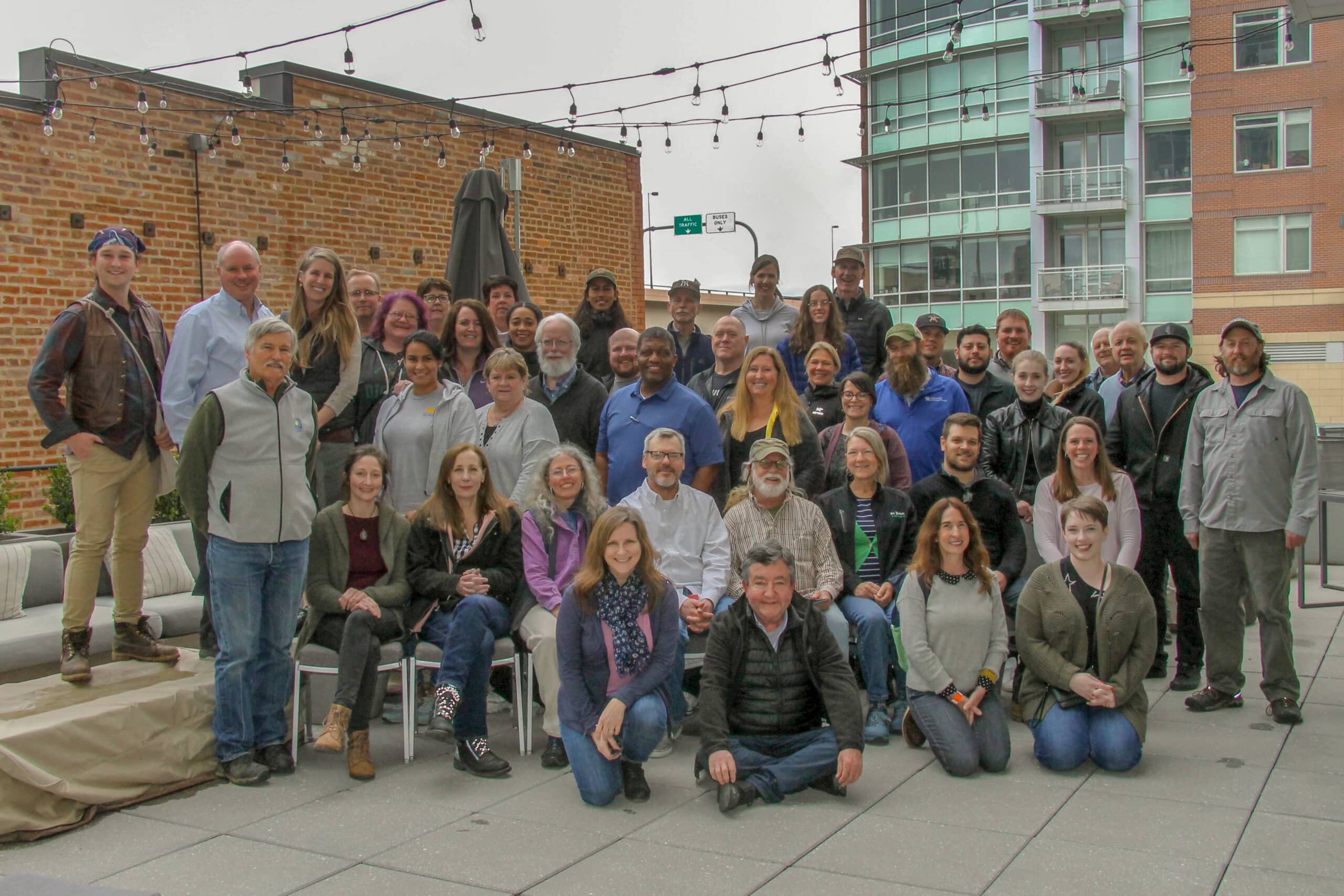
Meet the Team

Get to know the people behind NCAT–farmers, scientists, educators, and community advocates working together to support sustainable solutions and resilient communities.

Share resources.
Share success.

Sign up to receive news, event information, 
and more through our e-newsletters.