Soil is the globe’s second largest carbon sink, holding three times as much carbon as the atmosphere. Agricultural soil alone holds nearly as much carbon as the atmosphere. But building and maintaining soil carbon is challenging on farmland.
Cover crops add carbon to soil, and no-till farming can slow breakdown of crop residue. Still, the organic matter is largely decomposed in a few years and released to the atmosphere as CO2. As the earth warms, that process will accelerate and make it harder to build soil carbon.
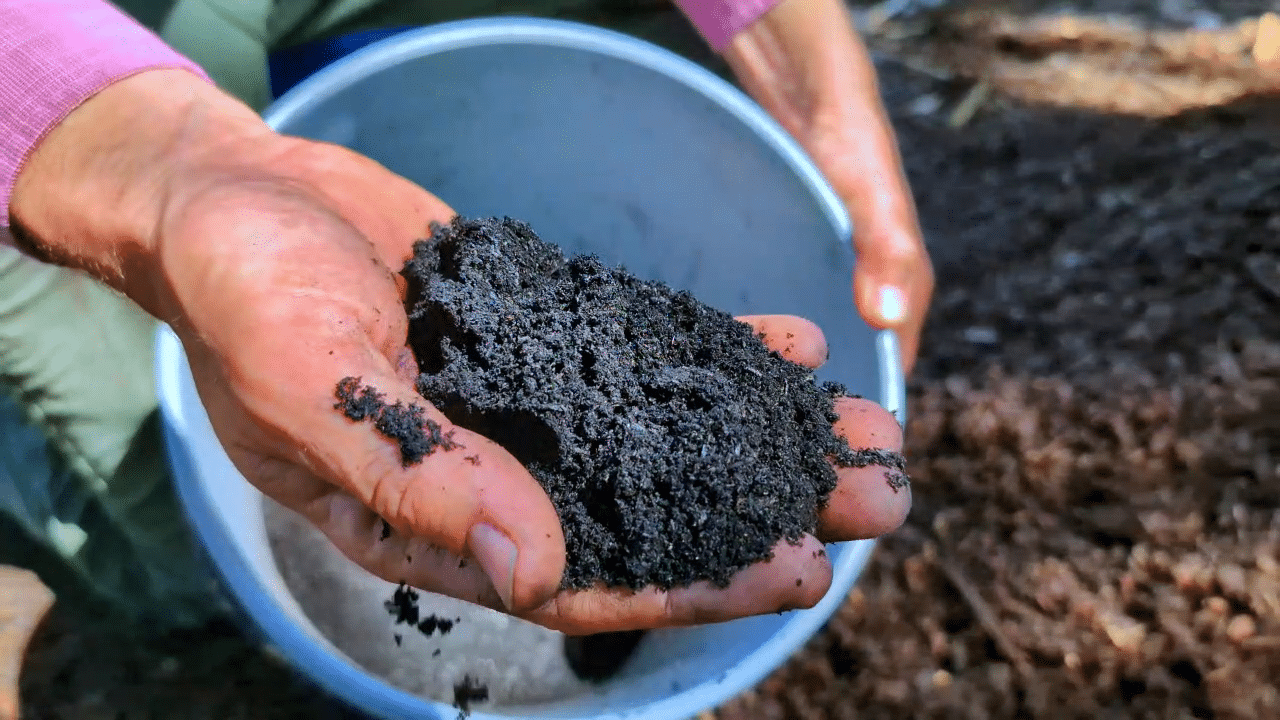
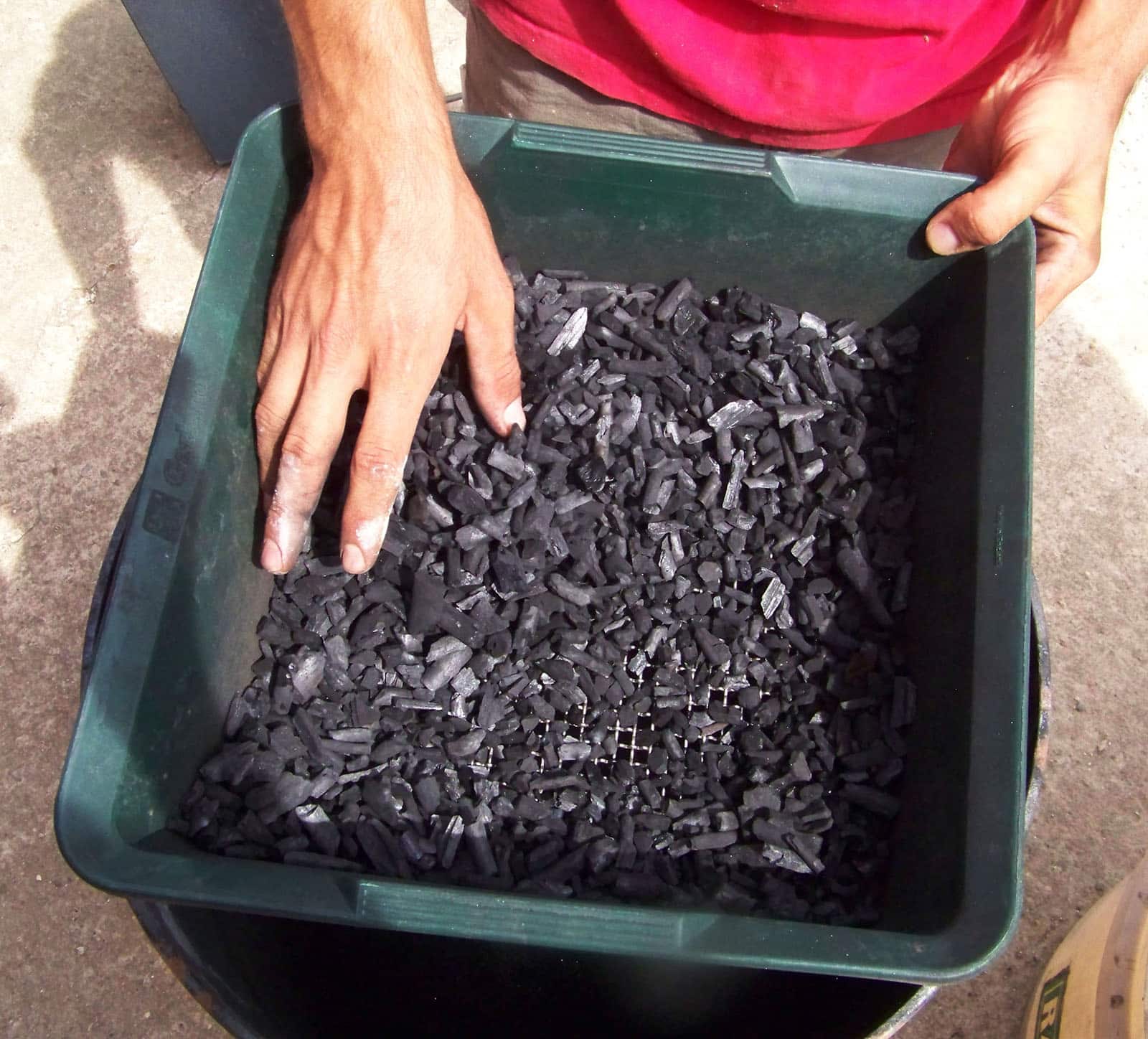
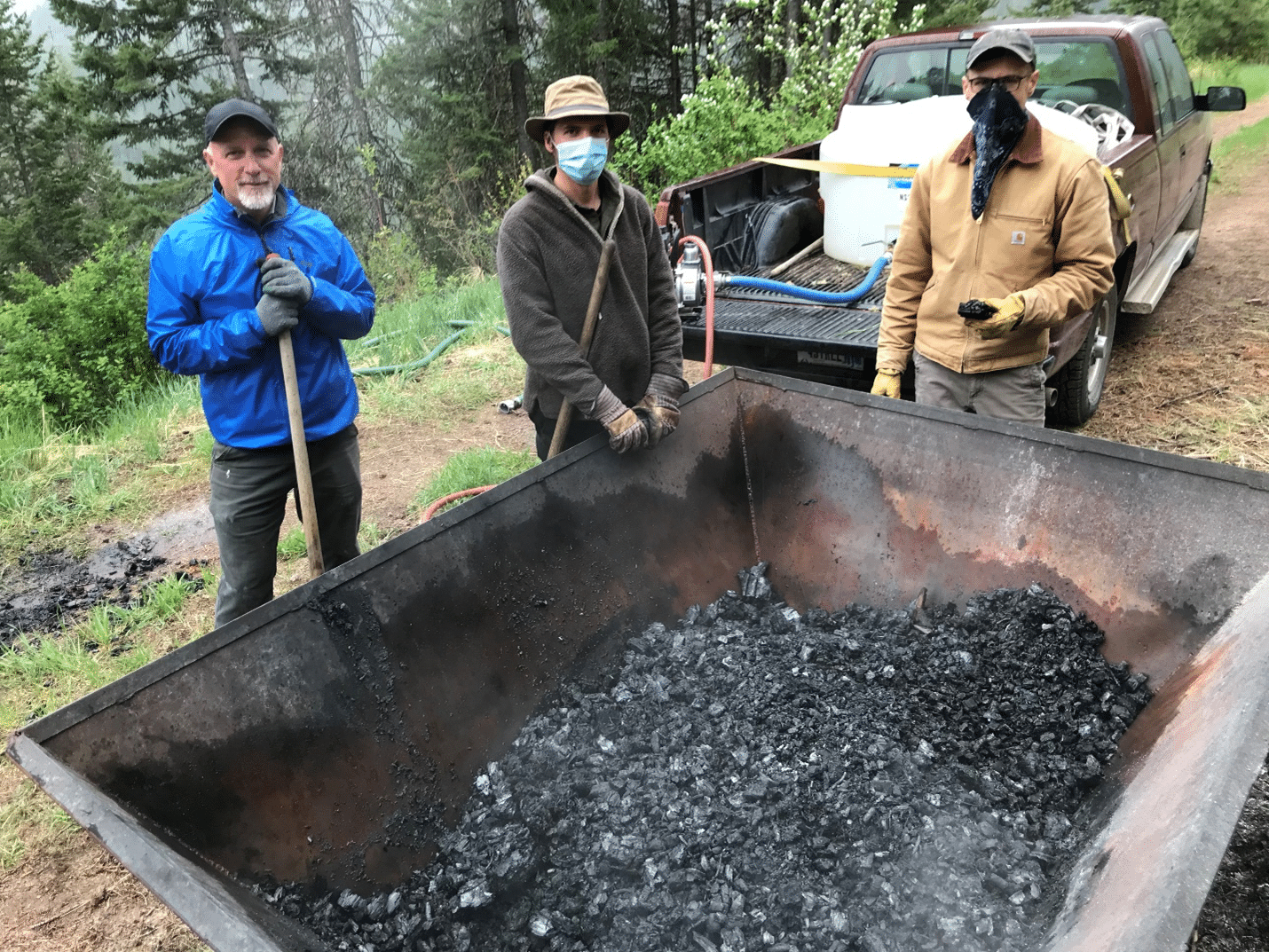
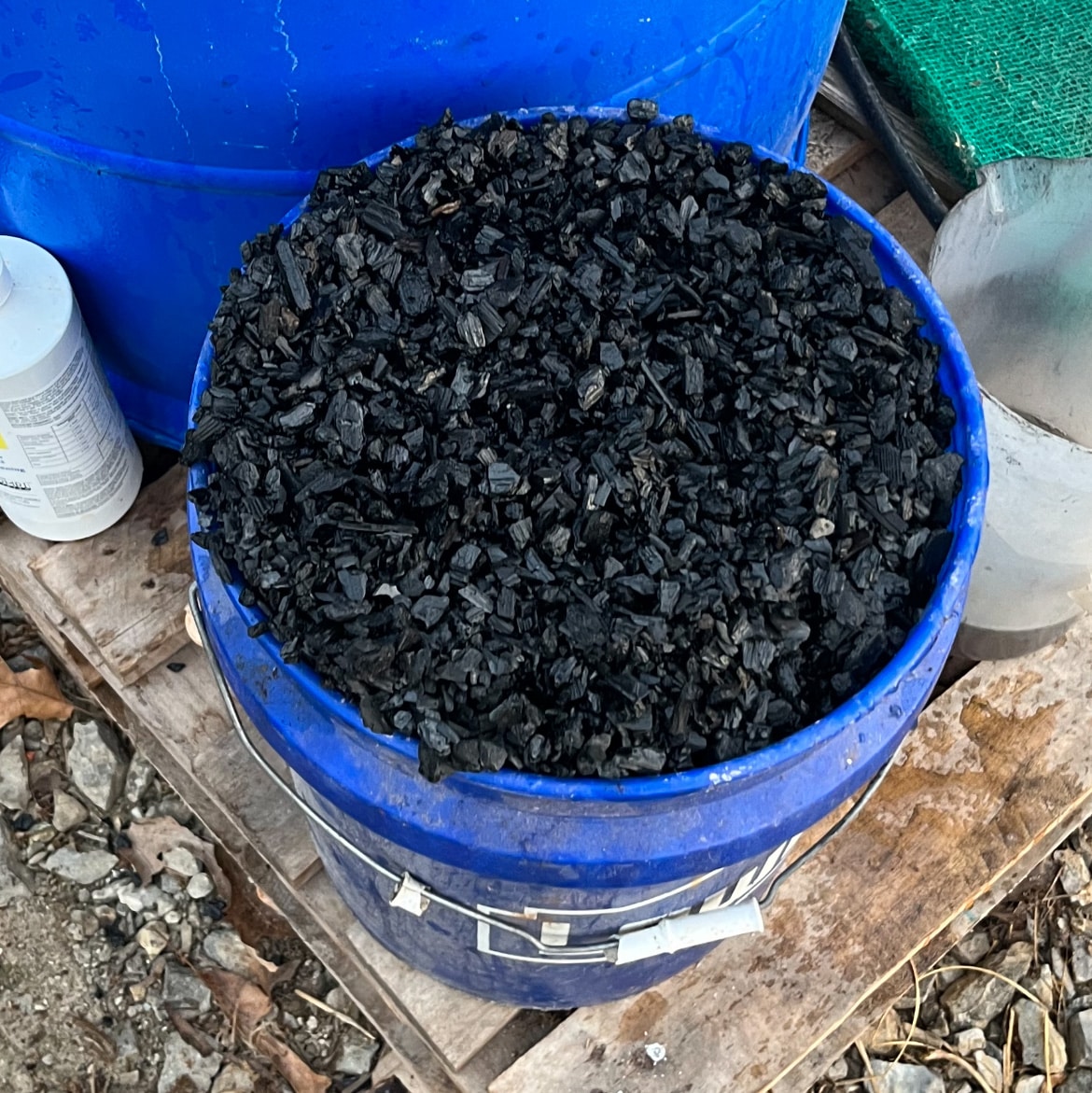
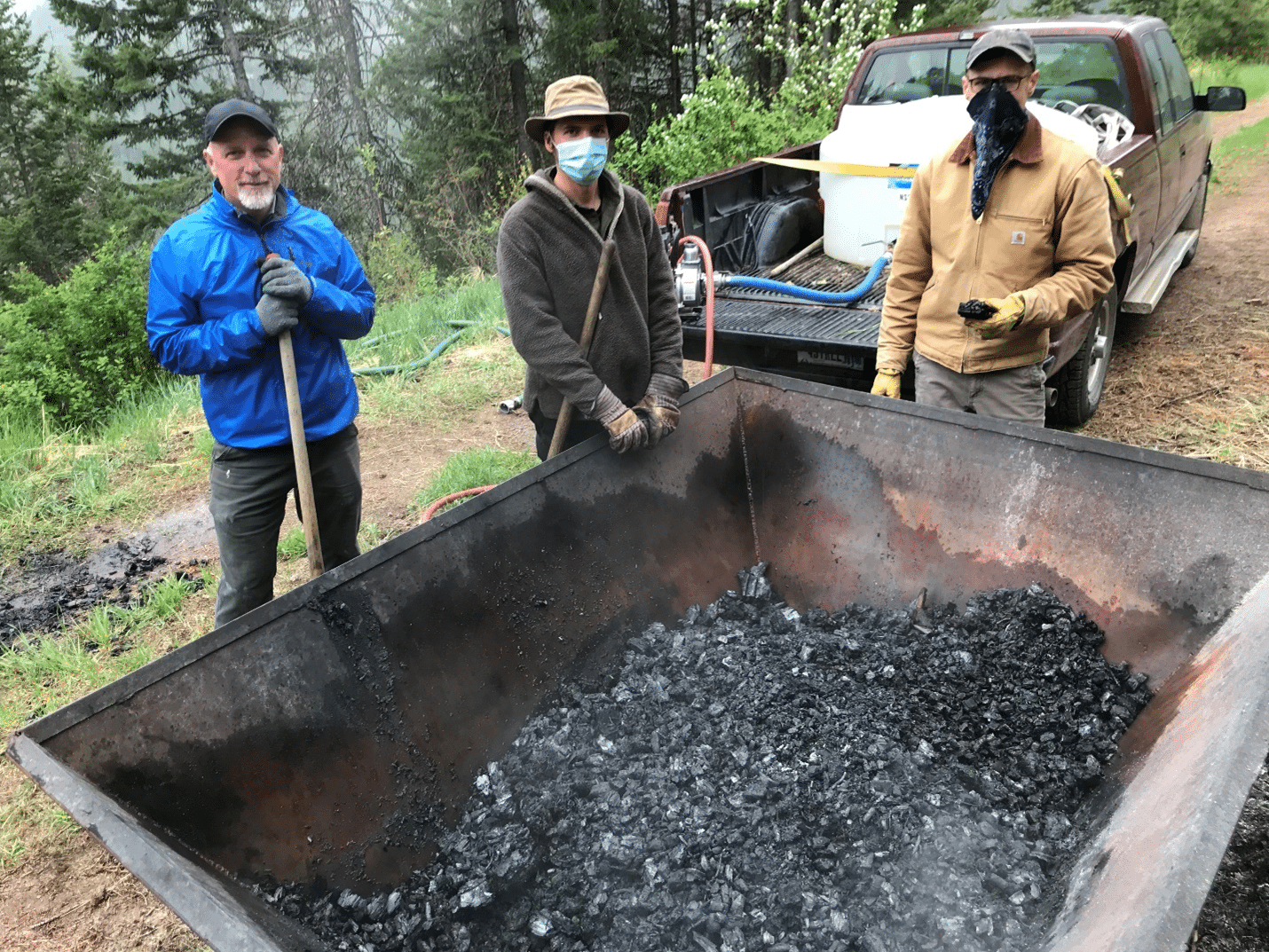
Biochar offers more lasting carbon sequestration. It is a form of charcoal produced for use in soil by heating biomass in the absence of oxygen. It is not new. Biochar from prairie and forest fires is a significant portion of the organic matter in most U.S. agricultural soils.
The unique promise of biochar is that it provides “recalcitrant” soil carbon that lasts for hundreds to thousands of years in soil. In addition, appropriately designed biochar can slow the breakdown of other soil carbon. Thus, biochar integrated with other soil building practices may add more to soil carbon than the total of each alone. Natural Climate Solutions (Griscom et al.,) ranks biochar first for soil carbon sequestration potential among all agricultural strategies.
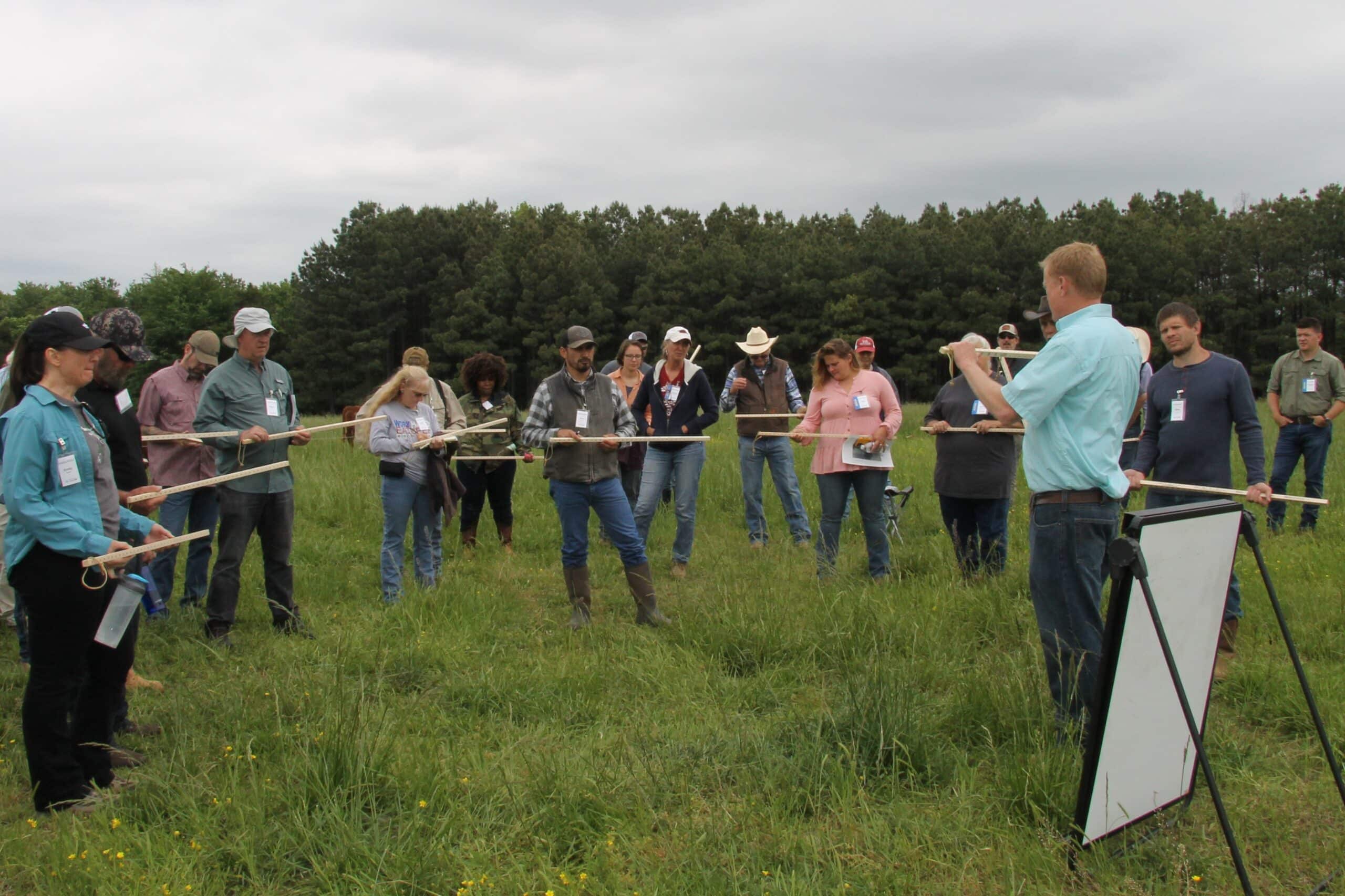
In addition, research suggests that appropriately designed biochar can enhance soil health, increase soil water-holding capacity, reduce nitrous oxide emissions, improve forest establishment on degraded land, and increase crop yields. But research results are inconsistent because biochar’s characteristics vary based on its feedstock and the process and temperature by which it is produced. To realize biochar’s potential, coordinated research is needed to determine which types of biochar is beneficial in varying soils and circumstances.
There is also great potential to develop a carbon-negative biochar and biofuel industry that creates good jobs and opportunities across rural America. The fast pyrolysis process pioneered at Iowa State University produces not only biochar, but also oil and sugar that can processed into carbon negative biofuels. The fuel can pay for the biochar, and the biochar can make the fuel carbon-negative.
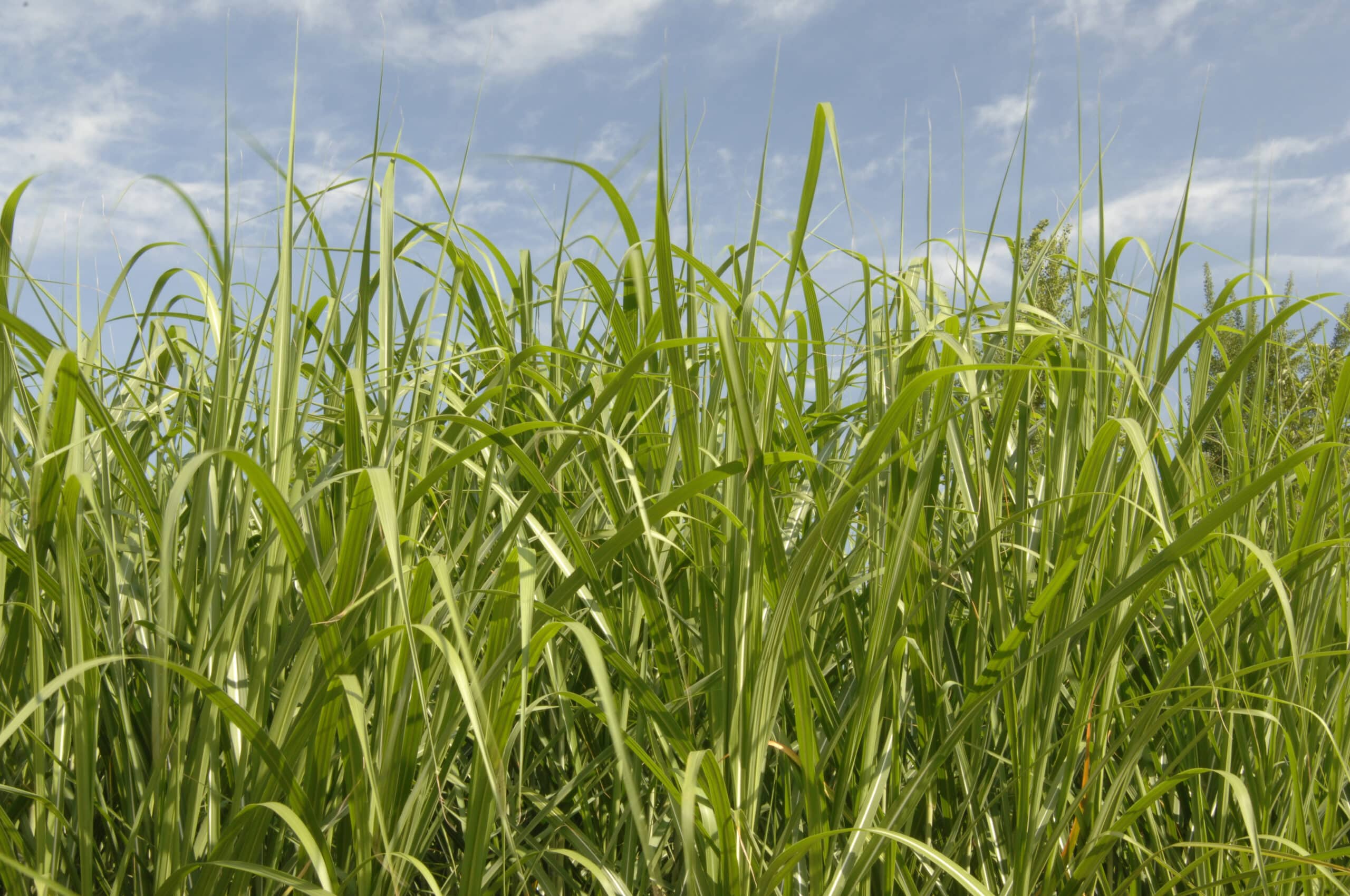
The potential is particularly great in areas with available biomass, such a combustible materials removed from forests, a portion of crop residues from highly productive soils and dedicated grass, and tree crops grown on marginal cropland.
To realize this potential will require supportive public policy—research funding to fill critical knowledge gaps, financing for pyrolysis facilities to produce biochar and biofuel, and market development for biochar-based carbon credits and the biofuels co-produced with biochar.