New Farmers, New Practices
We’re working with farmers and ranchers in Appalachia and the Northern Great Plains to educate and support them as they adopt new farming practices that make their operations more profitable and their land more resilient. In 2024, we worked closely with one beginning farmer, JR, from North Carolina, who has improved both his herd’s health and his own.
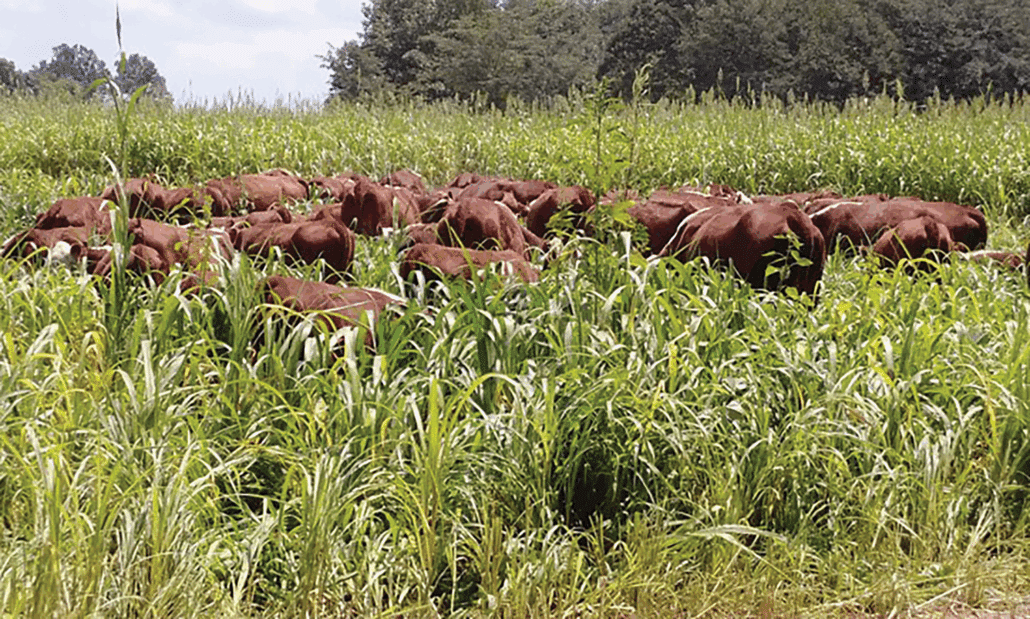
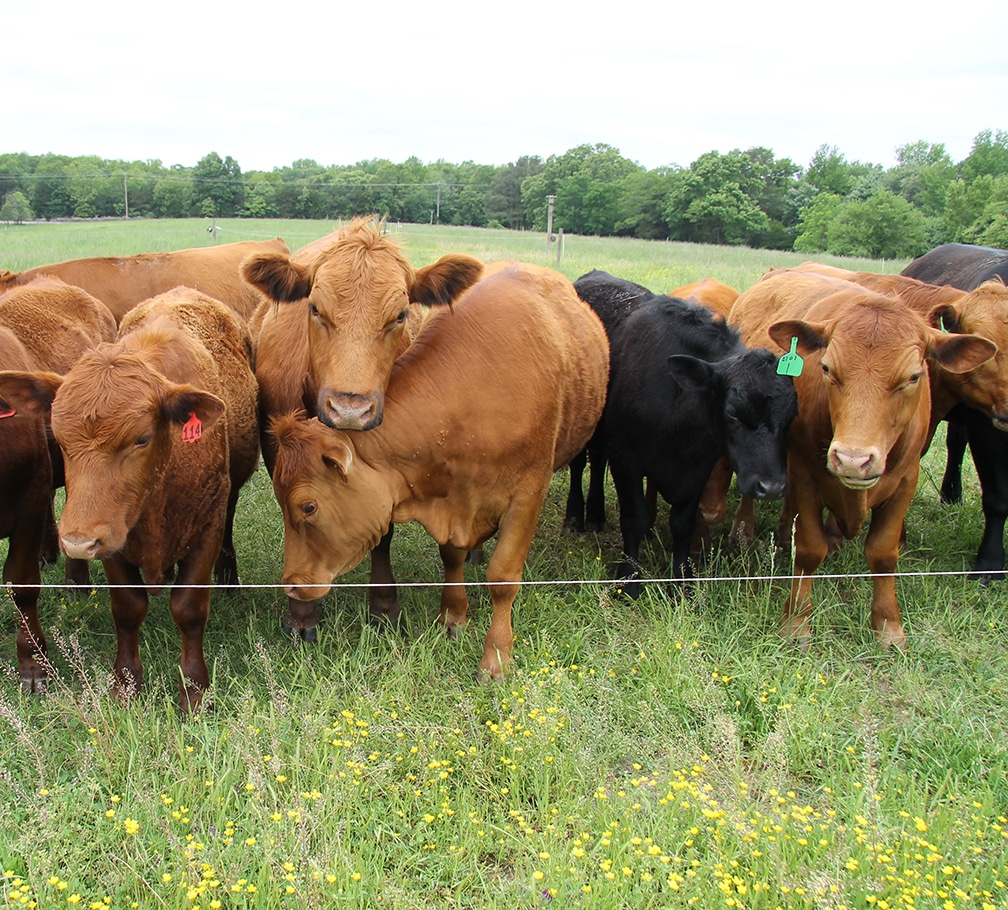
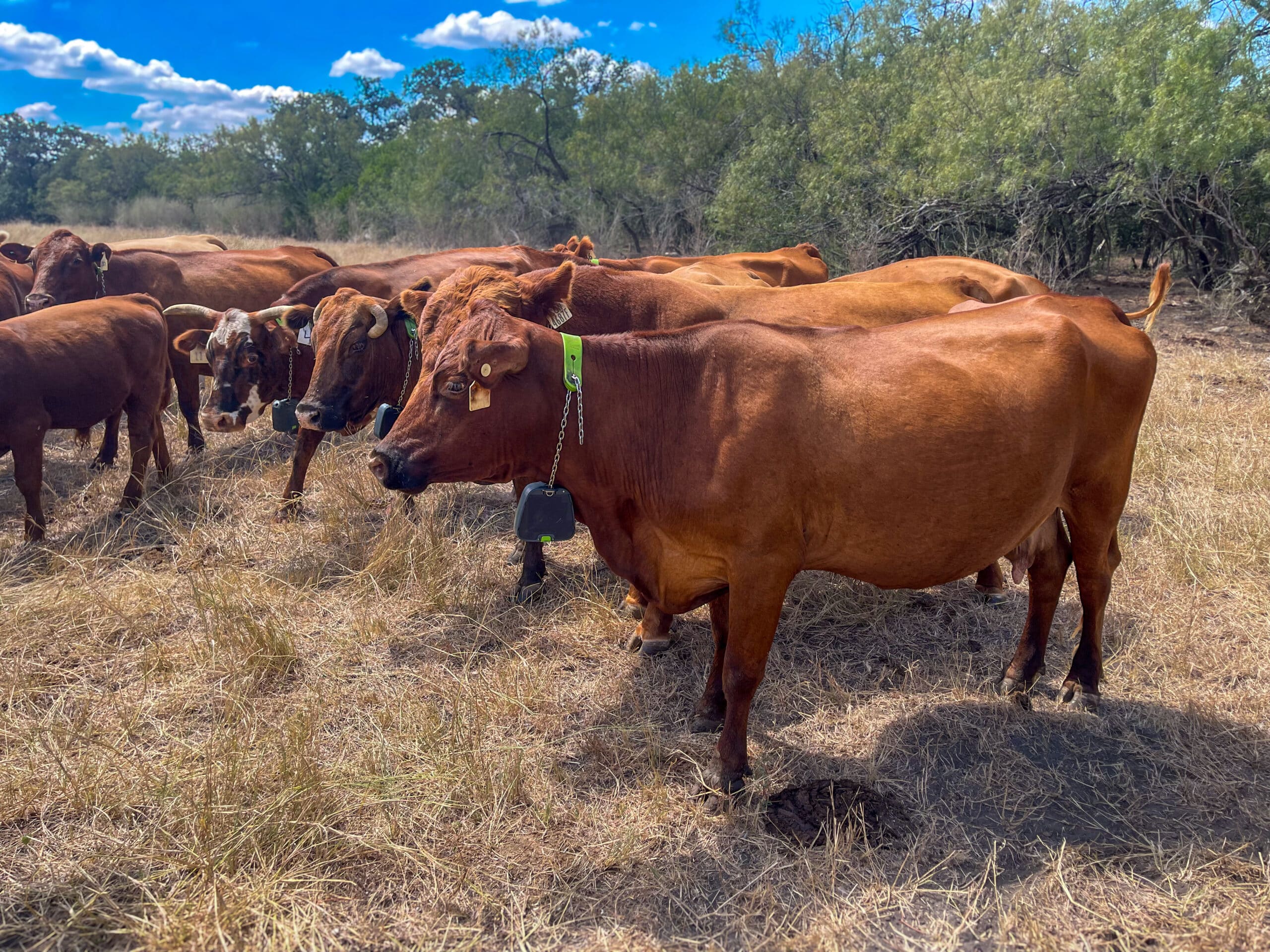
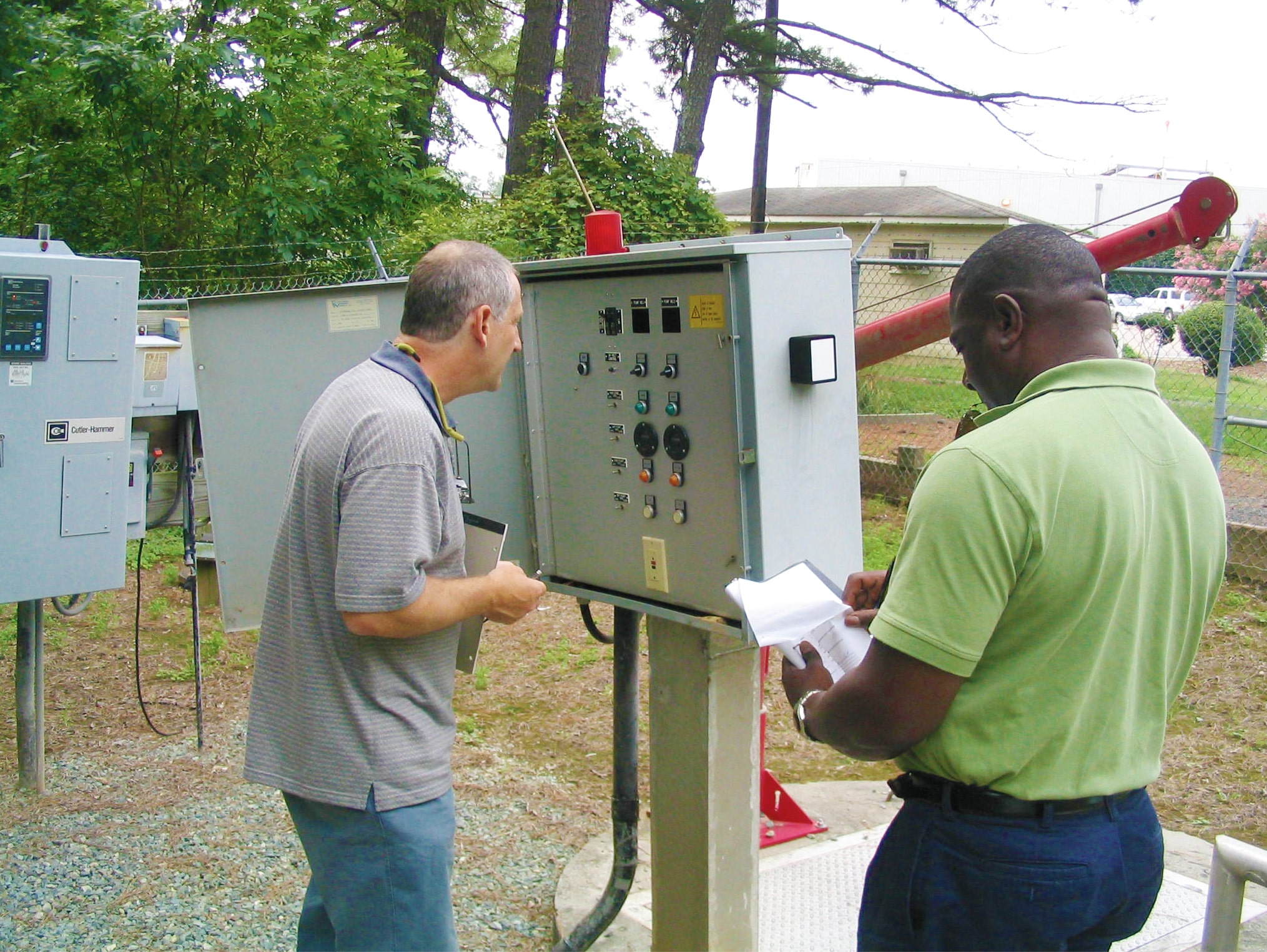
We started working with JR a little over a year ago, after he became the owner of the family farm and decided to go into beef cattle. Although he grew up on the farm raising tobacco, he didn’t have any experience with cattle. When he took over, the farm was overgrazed, pastures had more weeds than desirable forage, and the lack of proper nutrition was evident in the cows. JR is disabled from an accident when he worked as an electrical lineman, and his physical limitations affect his ability to maintain his land. He initially contacted NCAT to learn about a source for more hay and silage to feed his small herd of 20 brood cows. A year later, we are still working with JR, and he, his land, and his herd are all healthier.
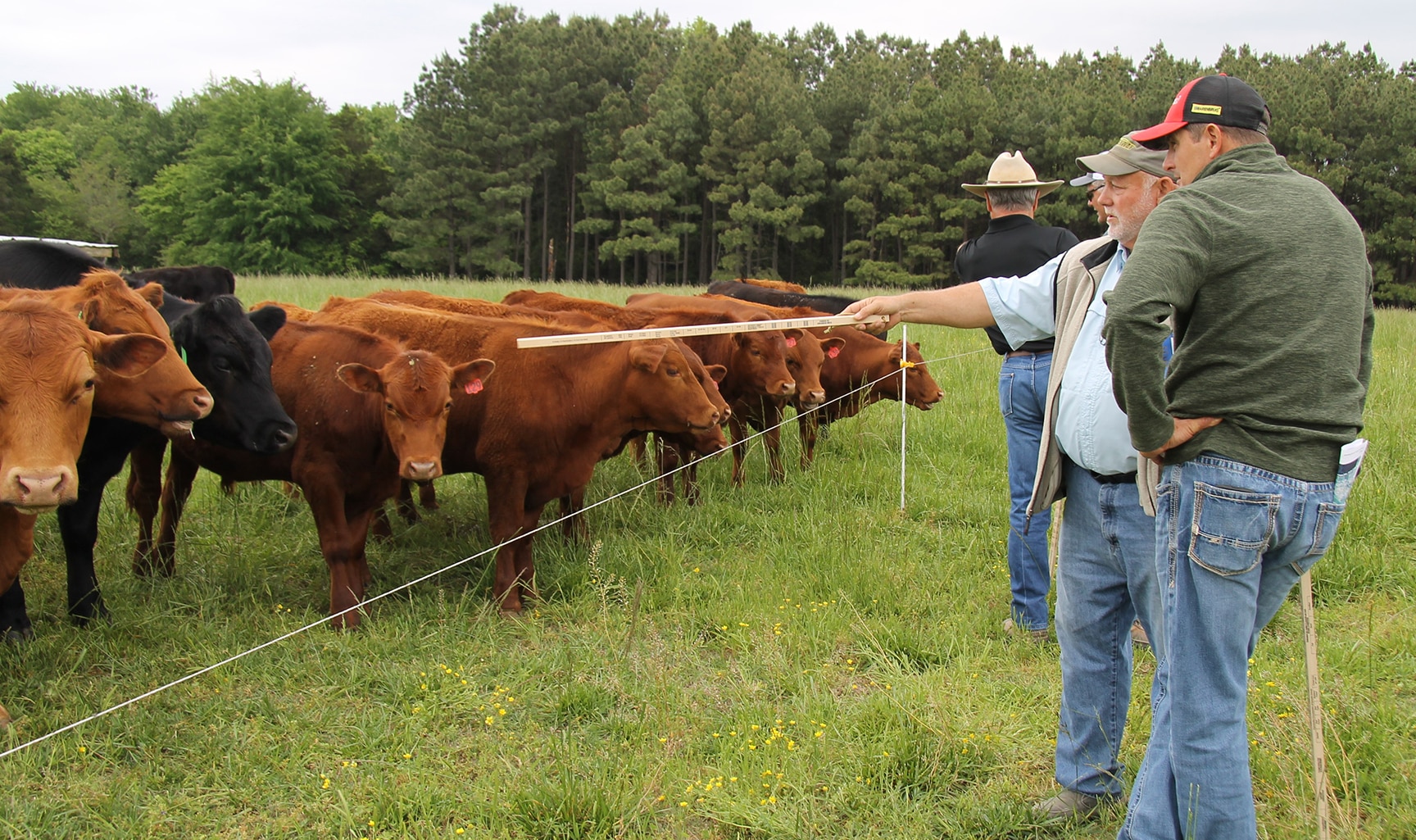
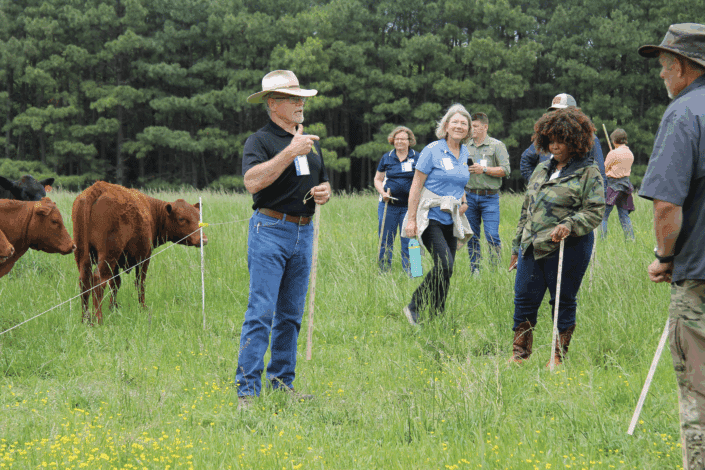
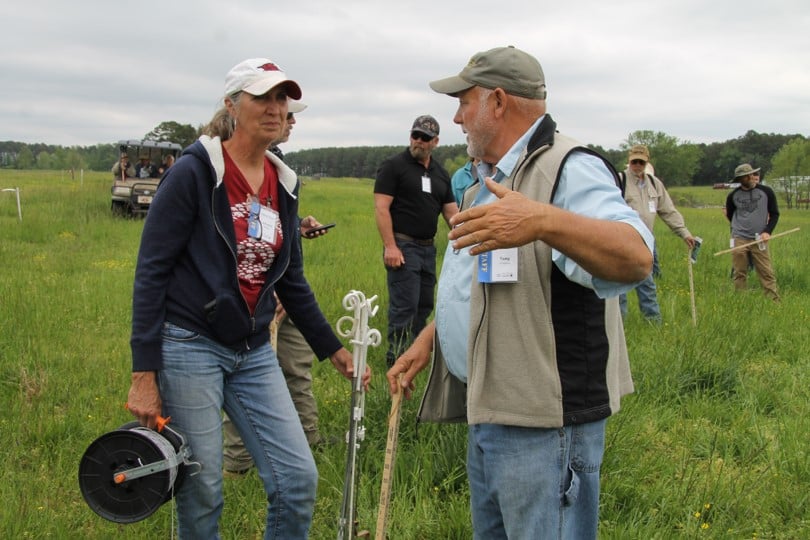
Over the course of the year, our specialist has visited the farm multiple times, helped JR evaluate the cows’ nutritional needs, and provided hands-on lessons in recordkeeping, which is essential for an efficient and productive operation. The specialist has walked the pastures with JR and taught him how to identify forages and weeds, showed JR how to use pasture maps and how to design a grazing plan that utilizes the water available on the land, and helped him identify fields that would be more productive if a water source were added.
JR is sometimes in so much pain that he can only ride a tractor to mow hay for limited amounts of time. Moving fences and the cows often helps JR stay active, and spending time with his cows both helps JR’s mental health and makes his cows gentler and easier to handle. This calving season JR’s cows are healthy and delivering healthy calves. He has fed his cattle less purchased or harvested feed: last year JR spent $4,000 on feed, but this year he spent just $1,000 – and he has 30 round bales left over. This spring, JR has started his grazing rotation ahead of most other farmers in the area, and he is on a trajectory to be able to graze his cattle for more than 300 days this year, compared to just 200 grazing days before we started working together. He regularly walks his pastures and reports that he has never seen the grass coming on this early.
JR calls or texts the specialist regularly to ask questions and just to make sure he is doing things right. The specialist observes:
“I am most impressed with the records he keeps, and he is learning to use the records to make decisions to better his cows.”