Speaking the Language of Farming
Provided by:
Written By
Related Resources

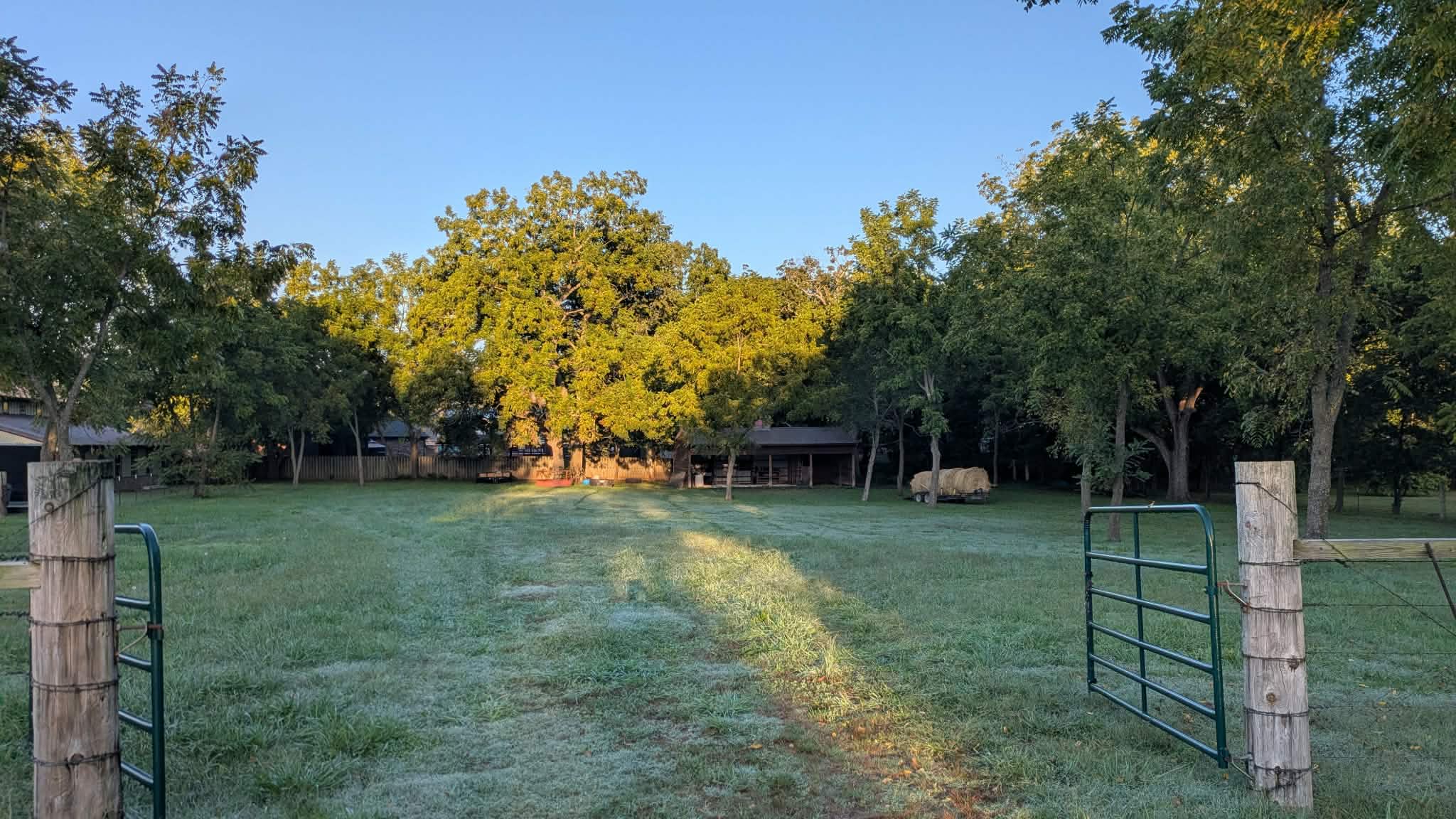
Recently, my family and I were building some new fence on our farm and my husband yelled out, “Bring me the bucket and the bar!” Most people would have no idea what that meant, but everyone in our family knew he meant the bucket that holds fencing supplies and the heavy bar we use to break up rocks when digging post holes. That interaction made me think about the language we have developed on our own farm, and more broadly, the language of farming in general. Dressed weight, layer pellets, legumes, and fence clips are common terms used on our livestock operation but may be foreign to someone new to farming or even to a vegetable farmer.
Beginning farmers face a steep learning curve as they set up farm operations, learn production practices, and figure out marketing strategies. Learning the language is part of this. If you are new to farming, there are so many terms and phrases you have to get familiar with. These vary widely depending on your enterprise. Drip tape, Salanova, pullet, CSA, no-till, polywire—the terms are endless.
In addition to production and marketing terms, the field of agriculture is filled with acronyms. Many of these are associated with government agencies and programs. I’ve provided a list of common acronyms and their descriptions at the end of this blog to get you started.
The best way to pick up the language of farming is to dive in—explore educational materials, talk to other farmers, and don’t be afraid to ask questions. Our ATTRA publications are filled with information, terms, and further resources. There are countless books available on every enterprise and aspect of farming. If reading isn’t your thing, you can listen to farmers share their experiences on ATTRA’s Voices from the Field Podcast or watch videos on NCAT’s YouTube channel.
Getting on-farm experience is a great way to learn. If you haven’t started your own farming or ranching enterprise yet, you can find on-farm internship opportunities on the ATTRA Internship Hub. Find NCAT workshops in your area, get connected to local producer groups and associations, and ideally, find a mentor. These personal connections will help you as you navigate all aspects of your farm operation.
While we aim to explain terms and programs in our ATTRA resources, you may come across something that is unfamiliar. NCAT Agriculture Specialists are always available to explain terminology, answer questions, and help you along on your farming journey. Our staff are just a phone call, chat, or email away. Knowing names for crops, livestock, tools and equipment will come with time. Be patient with yourself—in a way, you are learning a whole new language.
Glossary of Common Acronyms and Terms
AMS – Agricultural Marketing Service. USDA agency that administers programs, such as the National Organic Program, which create marketing opportunities for U.S. producers of food, fiber, and specialty crops.
ATTRA – Sustainable Agriculture. NCAT’s sustainable agriculture program provides technical assistance to farmers, ranchers, and educators nationwide.
Certified Organic. A labeling term for food or other agricultural products that have been produced using cultural, biological, and mechanical practices that support the cycling of on-farm resources, promote ecological balance, and conserve biodiversity in accordance with the USDA organic regulations.
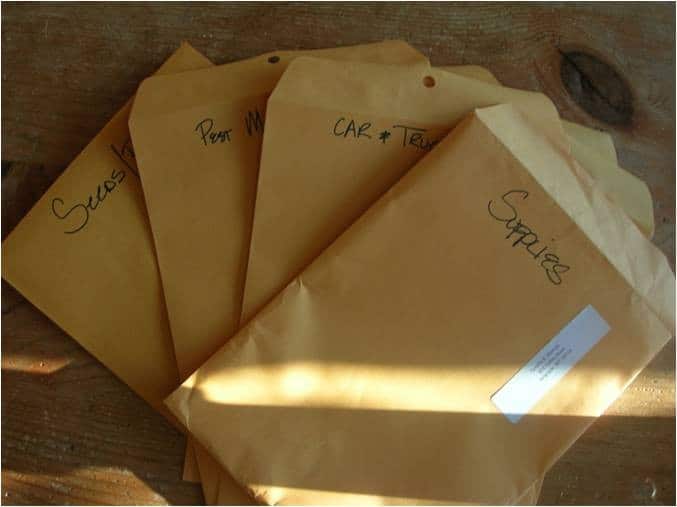
CSA – Community Supported Agriculture. CSAs are a direct connection between a farm and the customer/member. CSA members make a commitment to sharing the risk of farming. Members purchase a “share” of the harvest in advance of the growing season. This commitment provides the farm with the capital needed early in the year to buy seeds and supplies and get the growing season underway.
FDA – U.S. Food and Drug Administration. Oversees federal regulations, such as FSMA, to prevent food safety problems, detect and respond to food safety issues, and improve the safety of imported foods.
FSA – Farm Service Agency. USDA agency that provides services to farmers by offering loans, payments, and disaster relief programs.
FSMA – Food Safety Modernization Act. FSMA authorizes new regulations for farmers who grow certain kinds of fresh produce (fruits and vegetables) and for certain facilities that process food for people to eat.
GAPs – Good Agricultural Practices. Voluntary audits that verify that fruits and vegetables are produced, packed, handled, and stored as safely as possible to minimize risks of microbial food safety hazards.
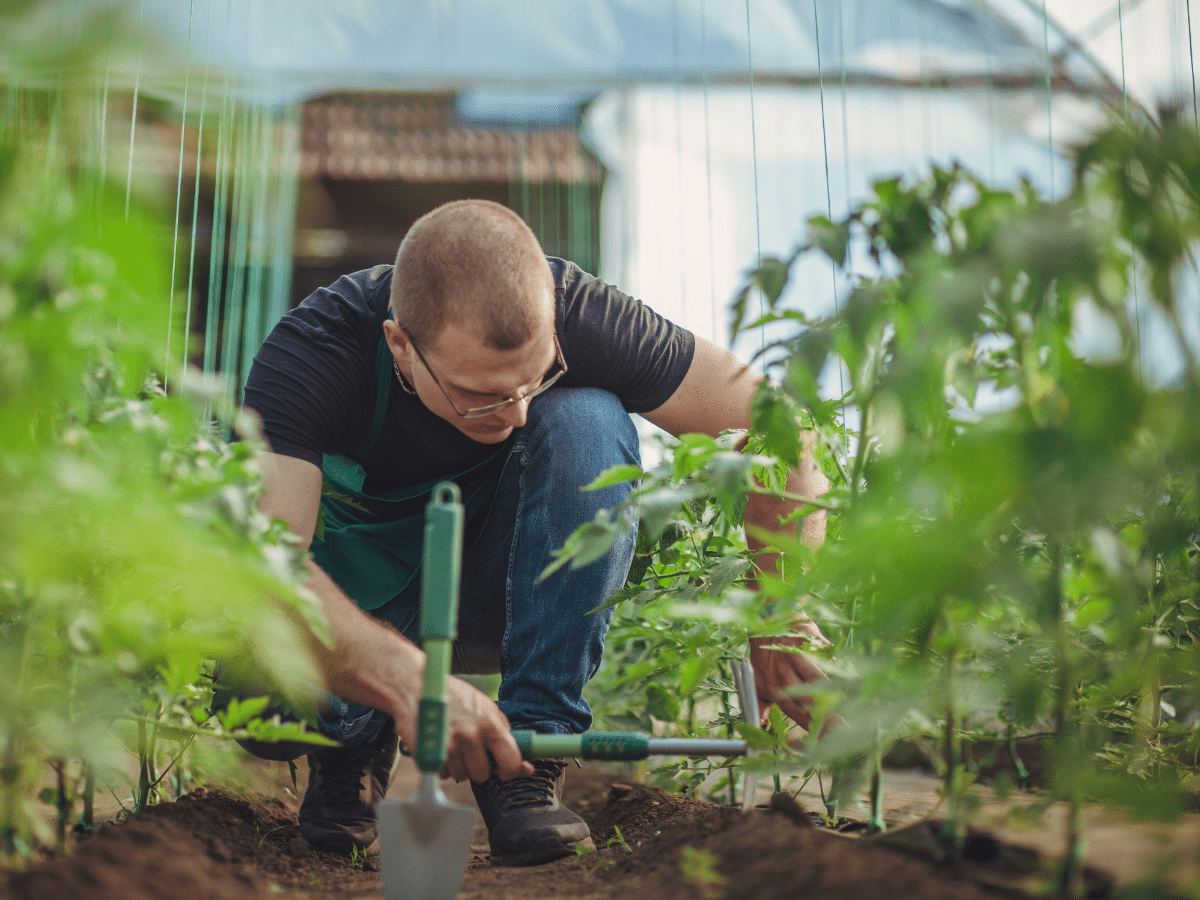
High Tunnels. High tunnels, also referred to as hoop houses, are low cost, usually unheated, metal-tube structures covered with one or two layers of greenhouse plastic to create a protected environment for crops.
NCAT – National Center for Appropriate Technology. NCAT is a nonprofit organization that works to help people by advancing sustainable agriculture and energy practices. NCAT operates the ATTRA – Sustainable Agriculture program, Armed to Farm, a sustainable agriculture education program for military veteran, and much more! See “What We Do” above.
NOP – National Organic Program. The NOP enforces and protects the integrity of the USDA organic standards.
NRCS – USDA Natural Resources Conservation Service. NRCS provides farmers, ranchers, and forest managers with financial and technical assistance for implementing conservation practices on their land.
RBS – USDA Rural Business-Cooperative Service. RBS offers programs to support business development and job training opportunities for rural residents.
SARE – Sustainable Agriculture Research and Education. USDA program that provides grant funding and education to farmers, ranchers, and agriculture professionals focused on agricultural innovations that improve profitability, stewardship, and quality of life.
USDA – United States Department of Agriculture. The USDA is made up of 29 agencies and offices which provide leadership on food, agriculture, natural resources, rural development, nutrition, and related issues.