Episode 223: Do Cover Crops Steal Water? Part 2
Provided by:
About Voices from the Field
From cover crops to regenerative grazing and organic production to marketing, ATTRA - Voices from the Field is your sustainable agriculture podcast. Voices from the Field is produced by NCAT. Since 1976, NCAT has provided trusted information, individualized technical assistance, and in-depth resources to support sustainable agriculture and accessible energy solutions.
Related Resources
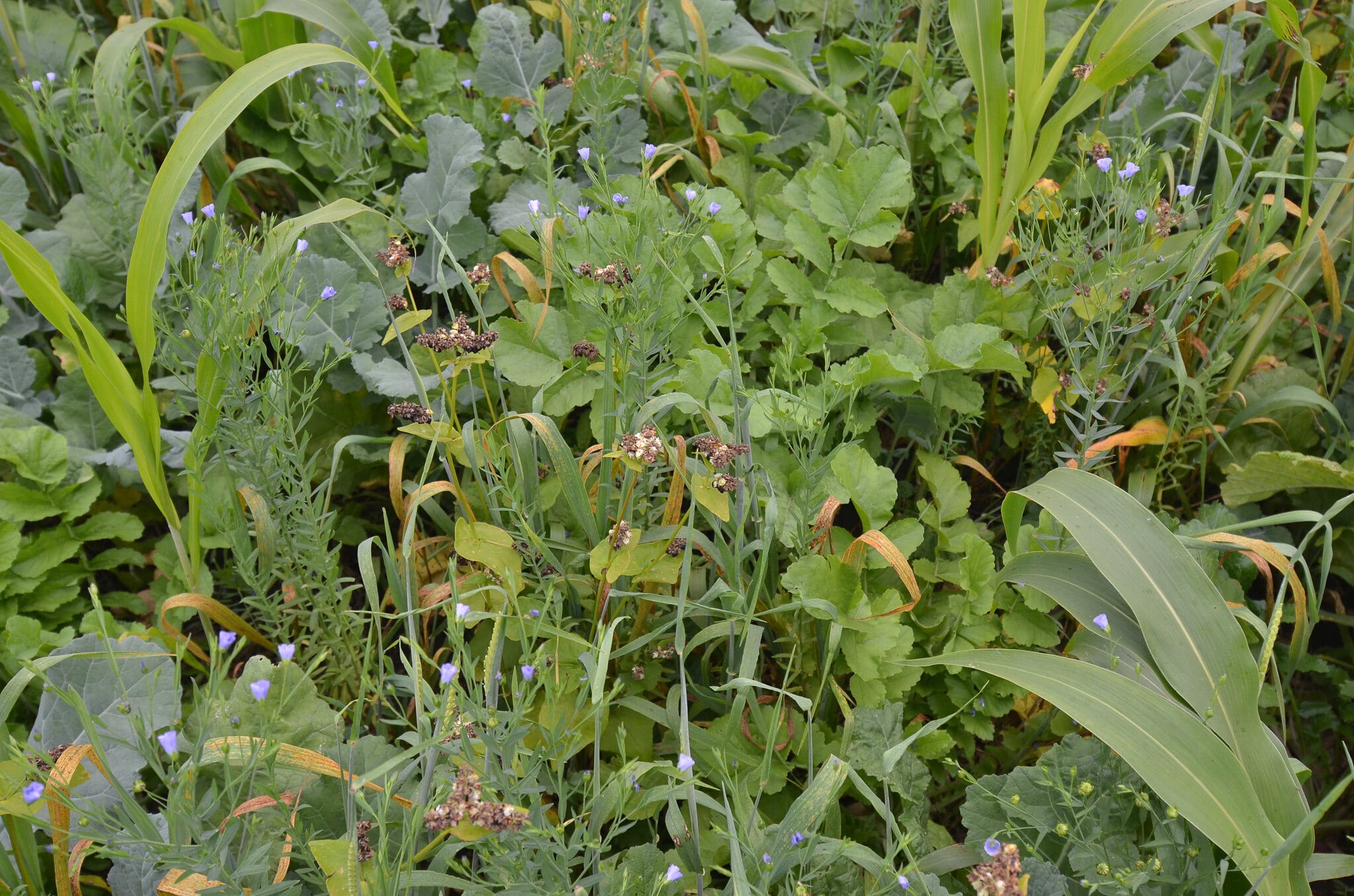
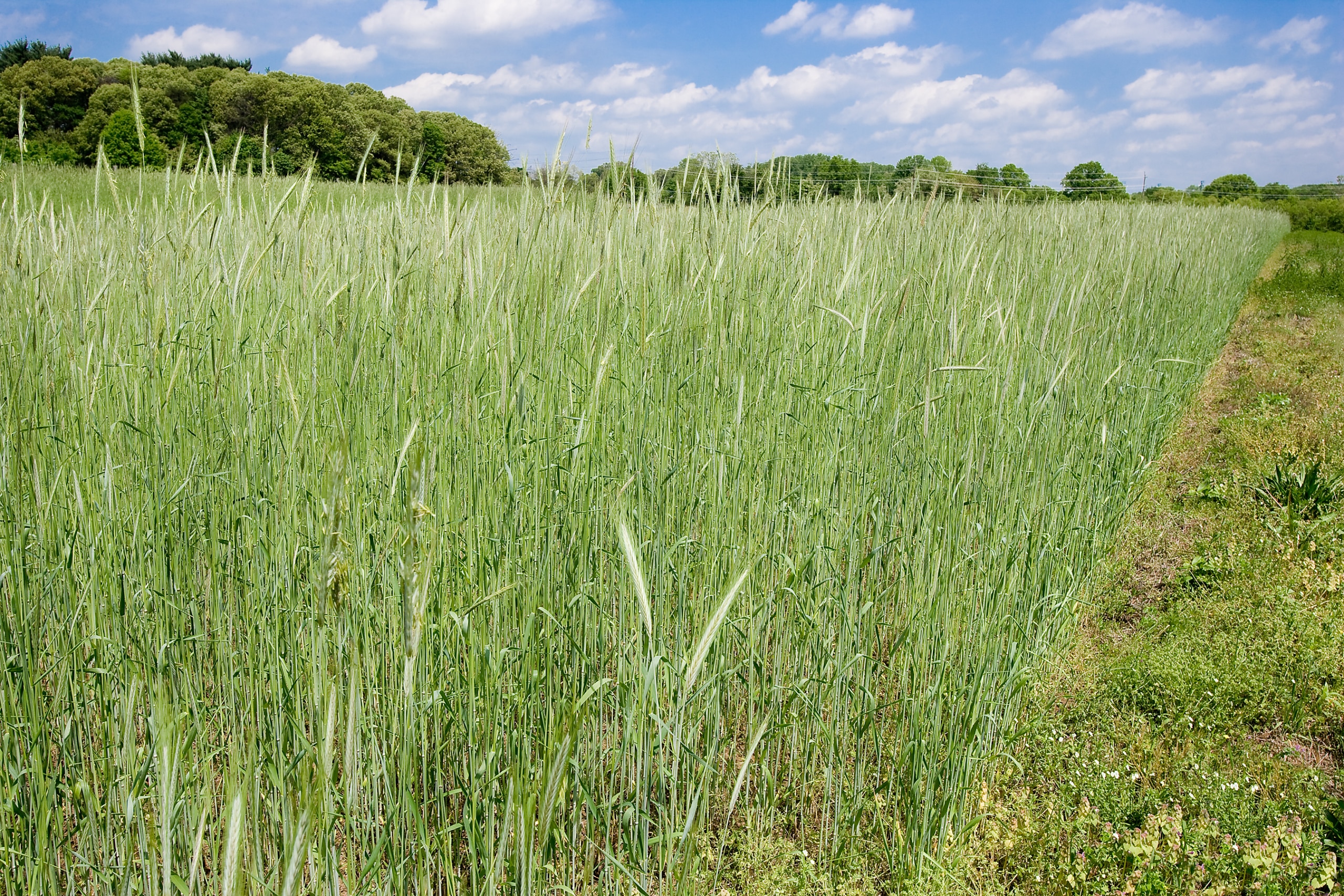
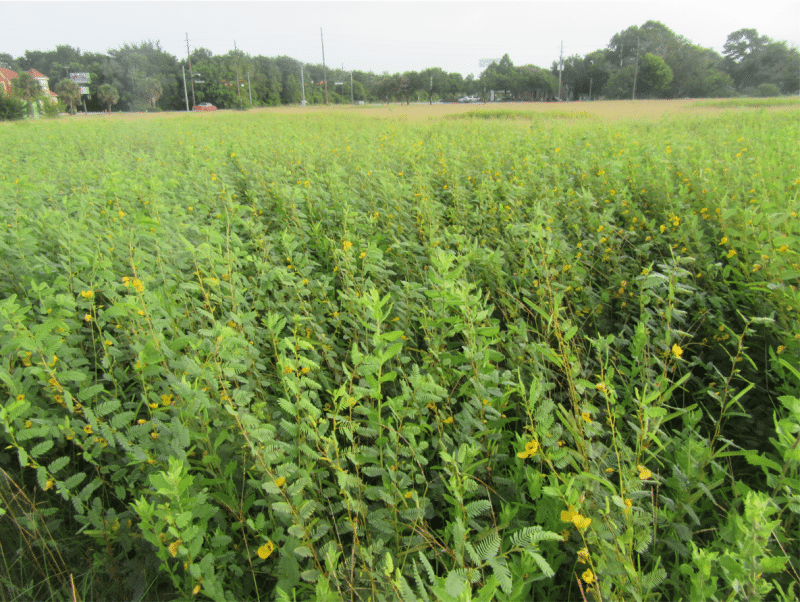
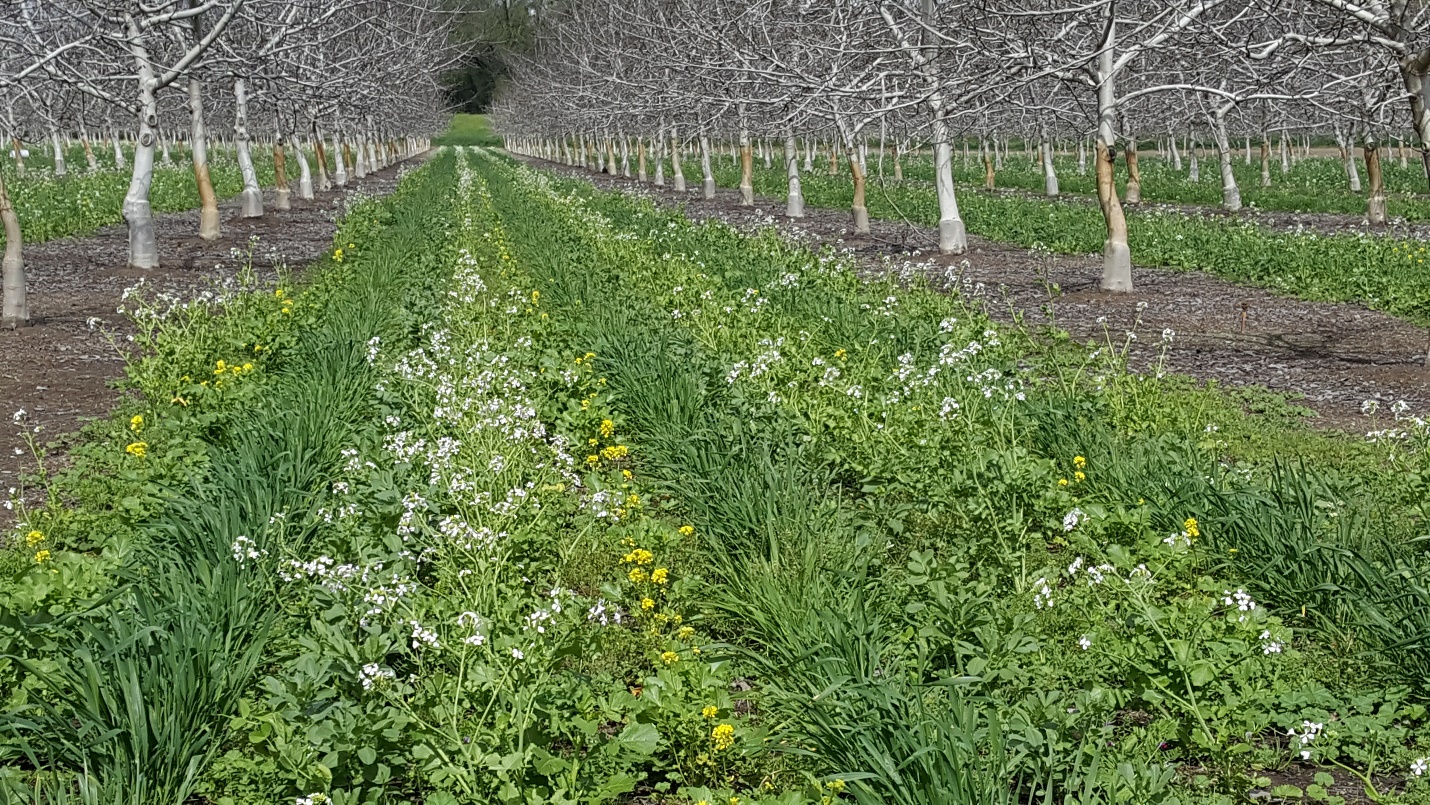
This episode of Voices from the Field continues the discussion between NCAT Sustainable Agriculture Specialist Colin Mitchell and Dr. Alexis Racelis of the University of Texas Rio Grande Valley about the use of cover crops in semi-arid subtropical environments.
While cover crops are heralded as a regenerative agriculture tool to improve soil health, integrating cover crops into farming systems can be challenging in drier climates. Colin and Dr. Racelis discuss whether cover crops even can be detrimental in some scenarios and steal water from cash crops.
Please complete a brief survey to let us know your thoughts about the content of this podcast.
In particular, the conversation centers on the Subtropical Soil Health Initiative (SSHI), a research partnership between NCAT and UTRGV to address soil health challenges in the Lower Rio Grande Valley. In this episode, Colin and Dr. Racelis talk about the SSHI’s research results so far and discuss upcoming research in the Rio Grande Valley.
Dr. Racelis is an associate professor with a joint appointment in the Department of Biology and the School for Earth, Environmental, and Marine Science at UTRGV. He leads the Agroecology and Resilient Food Systems program, which focuses on participatory research and education in restorative agriculture, agroecology, soil conservation and management, and food and farm justice.
Dr. Racelis also is a board member of NCAT and leads the UTRGV team on the NCAT Subtropical Soil Health Initiative.
Other Resources:
University of Texas Rio Grande Valley Agroecology and Resilient Food Systems Program
Have questions or need help? Contact us.