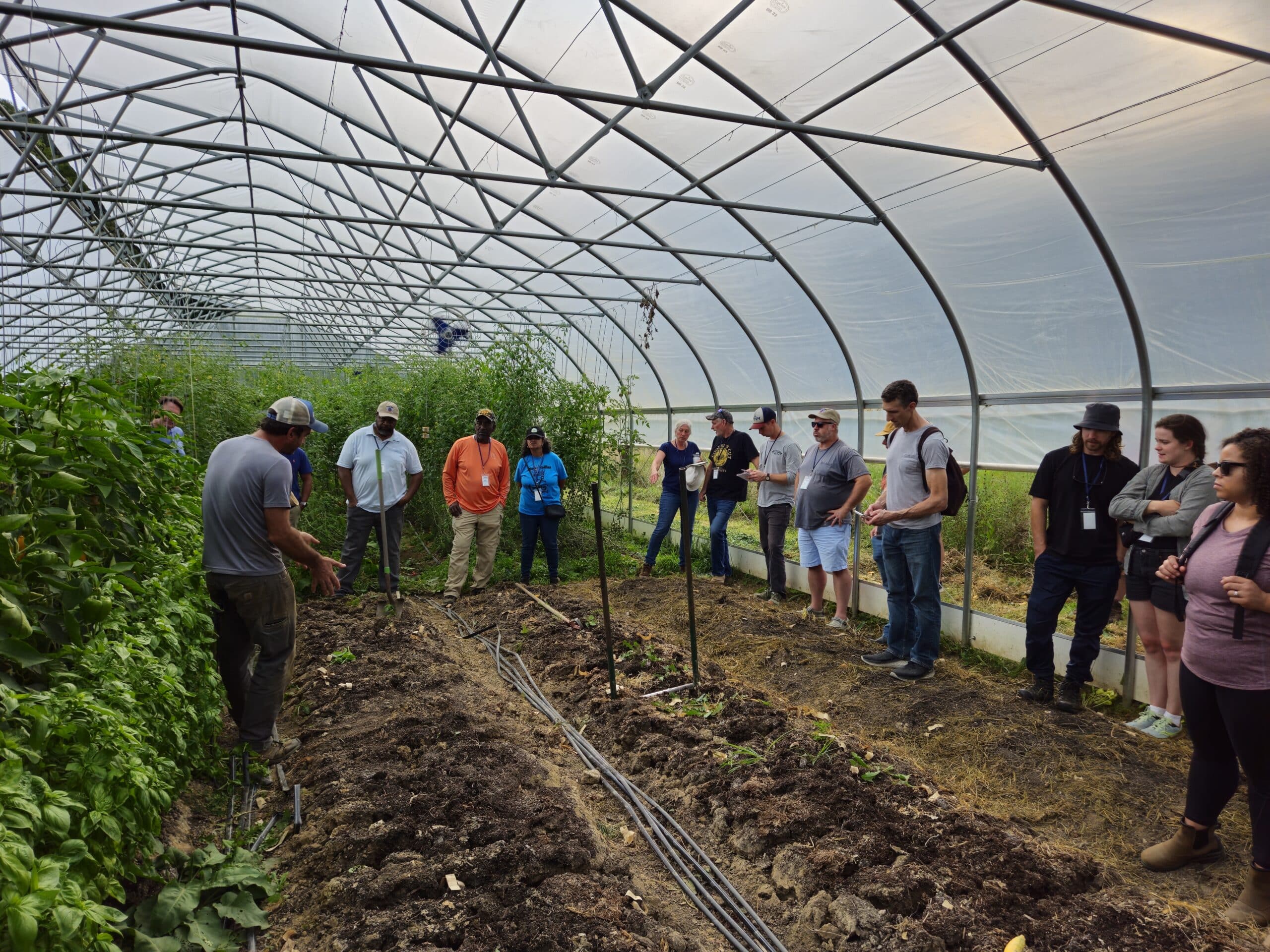
NCAT is an educator...

Education, in the form of technical assistance, is at the core of NCAT’s work, and we provide technical assistance in a variety of ways.

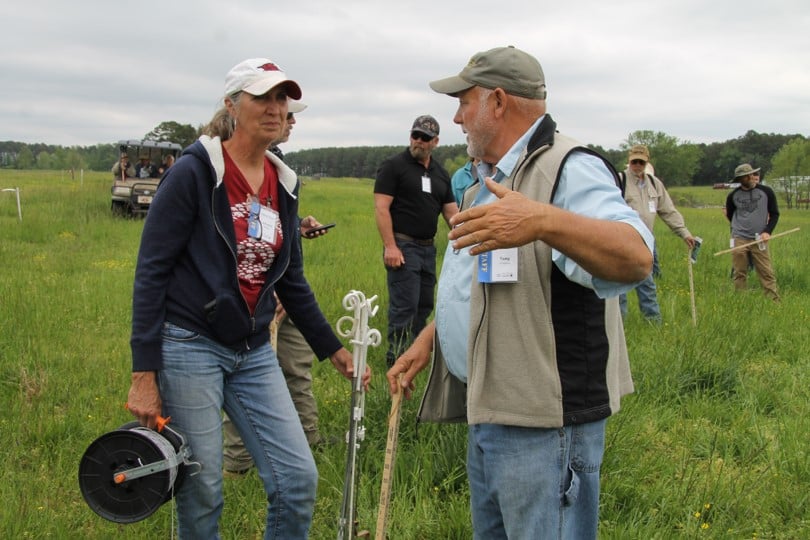
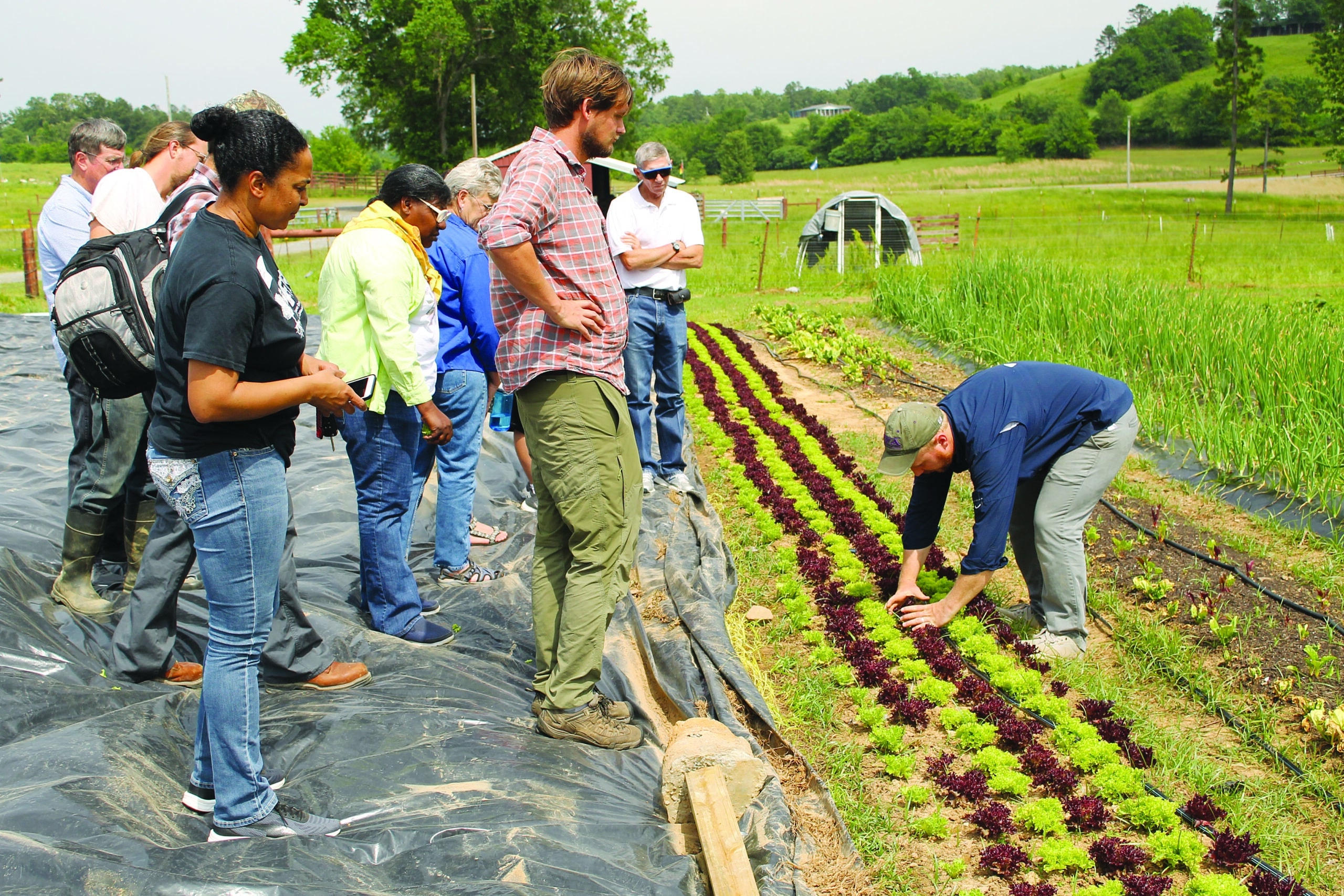
We offer personalized assistance online, over the phone via the “Ask an Ag Expert” hotline, or in person. We host events, trainings, and field days. And we produce and disseminate rigorously researched information in formats including publications, blogs, videos, and podcasts.

New Farmers, New Practices


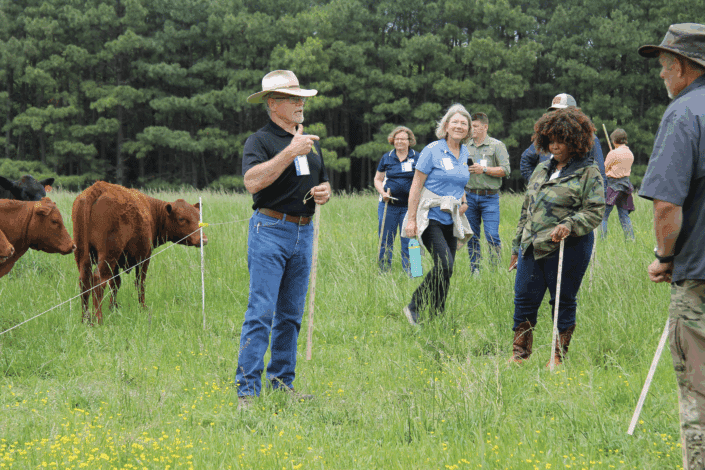
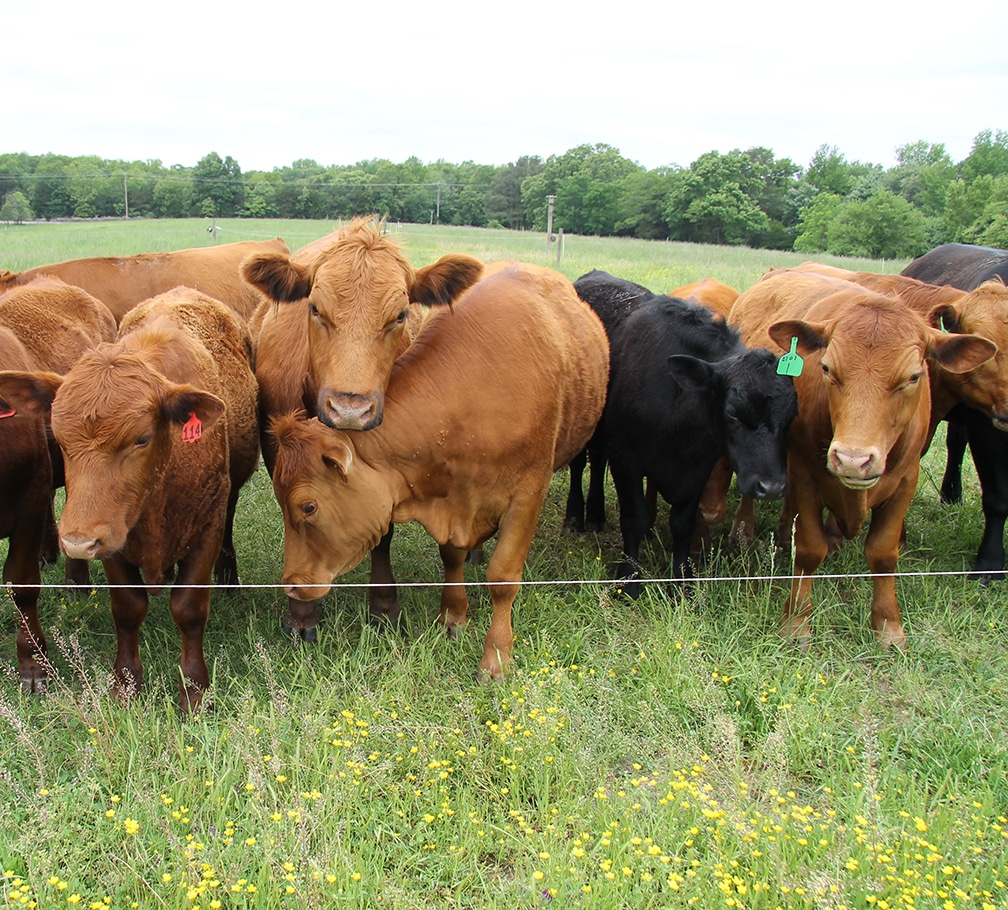
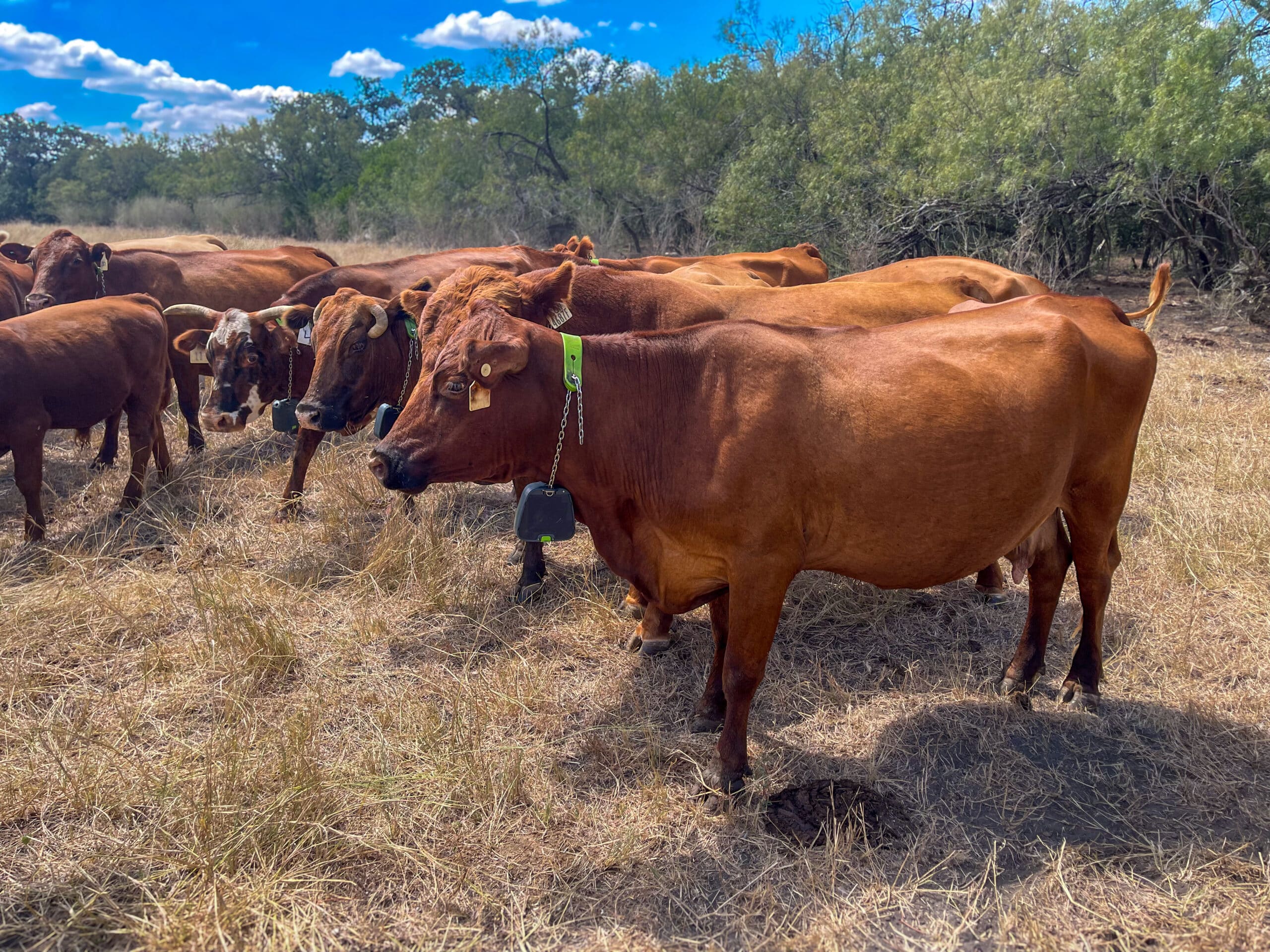
We’re working with farmers and ranchers in Appalachia and the Northern Great Plains to educate and support them as they adopt new farming practices that make their operations more profitable and their land more resilient. In 2024, we worked closely with one beginning farmer, JR, from North Carolina, who has improved both his herd’s health and his own.

We started working with JR a little over a year ago, after he became the owner of the family farm and decided to go into beef cattle. Although he grew up on the farm raising tobacco, he didn’t have any experience with cattle. When he took over, the farm was overgrazed, pastures had more weeds than desirable forage, and the lack of proper nutrition was evident in the cows. JR is disabled from an accident when he worked as an electrical lineman, and his physical limitations affect his ability to maintain his land. He initially contacted NCAT to learn about a source for more hay and silage to feed his small herd of 20 brood cows. A year later, we are still working with JR, and he, his land, and his herd are all healthier.
Over the course of the year, our specialist has visited the farm multiple times, helped JR evaluate the cows’ nutritional needs, and provided hands-on lessons in recordkeeping, which is essential for an efficient and productive operation. The specialist has walked the pastures with JR and taught him how to identify forages and weeds, showed JR how to use pasture maps and how to design a grazing plan that utilizes the water available on the land, and helped him identify fields that would be more productive if a water source were added.

JR is sometimes in so much pain that he can only ride a tractor to mow hay for limited amounts of time. Moving fences and the cows often helps JR stay active, and spending time with his cows both helps JR’s mental health and makes his cows gentler and easier to handle. This calving season JR’s cows are healthy and delivering healthy calves. He has fed his cattle less purchased or harvested feed: last year JR spent $4,000 on feed, but this year he spent just $1,000 – and he has 30 round bales left over. This spring, JR has started his grazing rotation ahead of most other farmers in the area, and he is on a trajectory to be able to graze his cattle for more than 300 days this year, compared to just 200 grazing days before we started working together. He regularly walks his pastures and reports that he has never seen the grass coming on this early.

JR calls or texts the specialist regularly to ask questions and just to make sure he is doing things right. The specialist observes:

“I am most impressed with the records he keeps, and he is learning to use the records to make decisions to better his cows.”
Regenerative Grazing: Changing Hearts and Minds


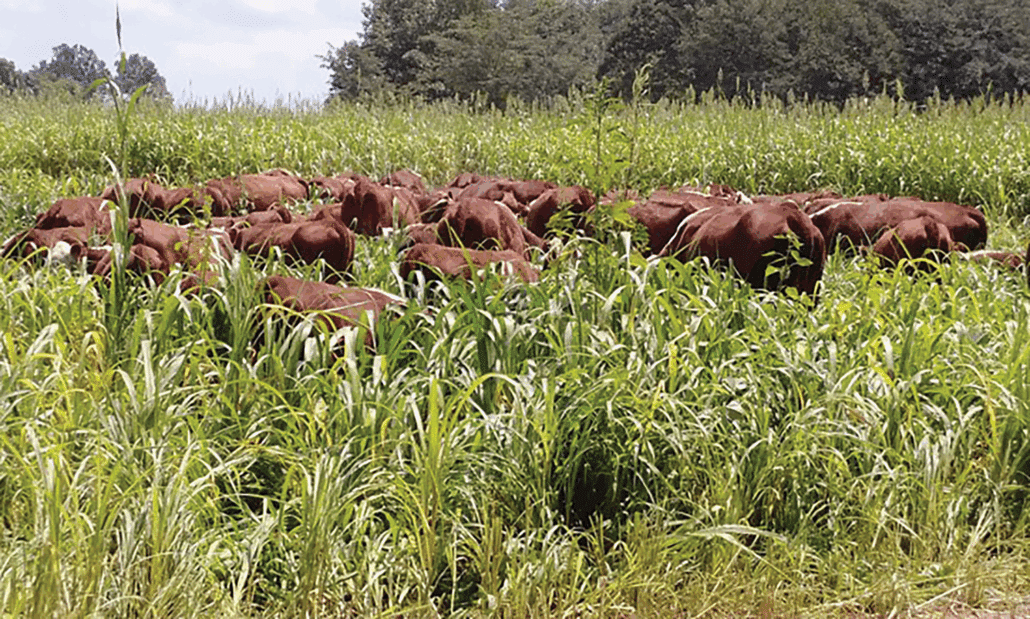
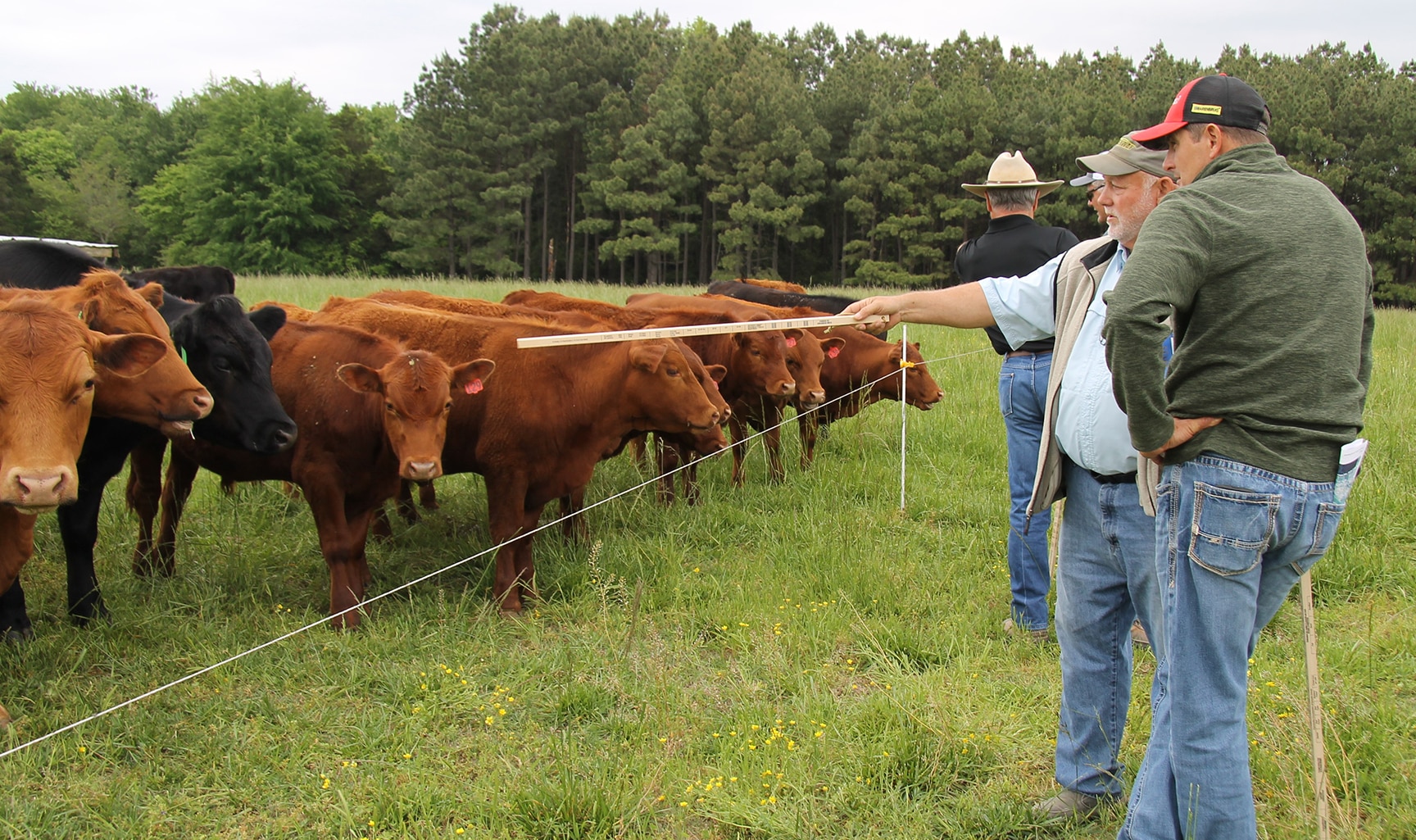
In 2024, we concluded a three year, $1M systems research grant, the first ever awarded by Southern SARE. NCAT led the project, which sought to introduce regenerative grazing practices and advance their adoption in four southern states: Virginia, Texas, Mississippi, and Arkansas. This multi-disciplinary project was a collaboration between producers, university researchers, Extension agents, and thought leaders from agriculture nonprofits.

Regenerative grazing can heal overgrazed and damaged lands and increase forage production, drought resilience, profitability, and farmer well-being. It is a resilient foundation for local food systems that offer healthy meat products to consumers. Regenerative grazing can also give producers access to emerging payment programs for carbon sequestration, clean water, and other public benefits.

Producers told us that the hardest barriers to overcome were not technical but social and psychological, requiring a mindset shift and a willingness to put up with negative peer pressure from neighbors. To address these challenges, we created new supportive working relationships between agency staff, nonprofits, and producers. Over and over again, we saw that a little emotional support and encouragement goes a long way.
Regenerative grazing, while still far from mainstream, is gaining traction throughout the South. At the end of our project, producers in all four states named many new organizations that were invisible to them three years earlier. Participants also noted greater support and sympathetic interest from universities, some of which had previously been skeptical or hostile.

The shift to regenerative grazing is going to take time. NCAT is in this work for the long haul, sharing knowledge, building trust, and supporting producers who embark on the work of changing practices they have often been following for decades.

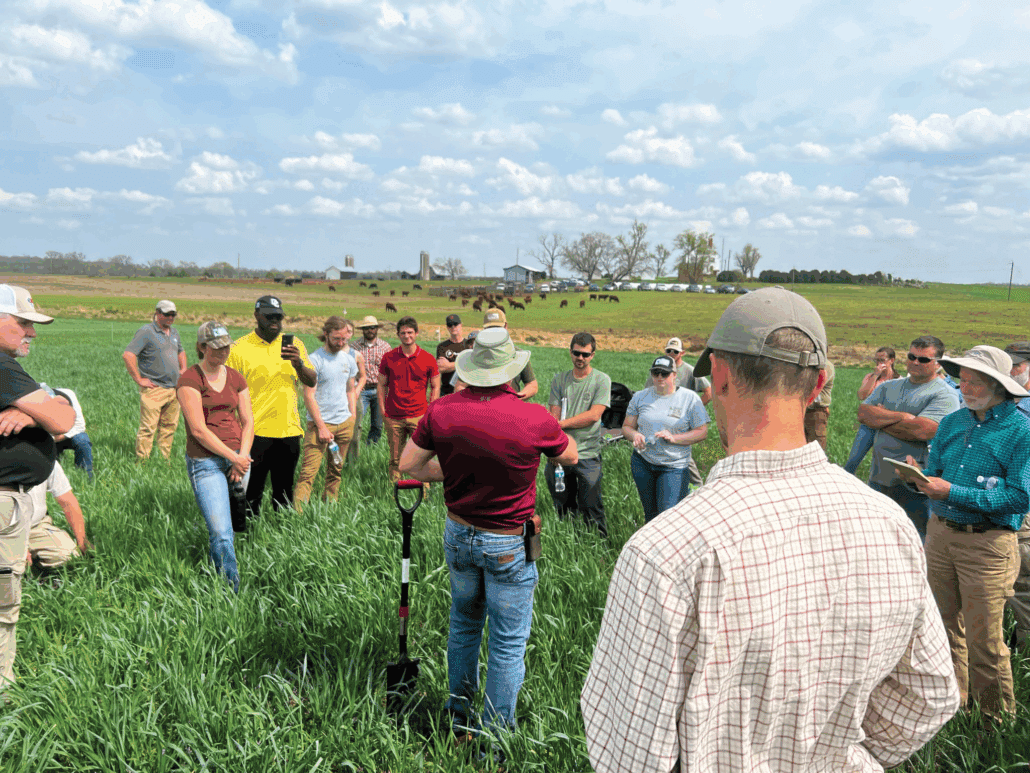
almost 5,000

farmers and other agricultural professionals attended our trainings

180

attendees at the Regenerative Grazing Track at the annual Virginia Association for Biological Farming conference
field day

The ATTRA Hotline

When you call the ATTRA hotline, a person answers.

NCAT agriculture specialists staff the hotline Monday-Friday, 9 am to 6 pm ET, answering a wide range of questions. If a specialist doesn’t know the answer, they consult one of NCAT's 40 other specialists and follow up with the caller to provide accurate information.

Our specialists treat every caller with respect, delivering science-based information. ATTRA is a trusted resource for unbiased answers, addressing concerns from callers about chemical contamination, basic questions from beginning farmers, and inquiries from experienced farmers about adopting new practices.

One client lives in New Mexico and had a great deal of fire retardant sprayed on their land during fire season. They wanted to know more about the substances sprayed, and the specialist who answered the call was able to provide more information about the chemicals used and the associated risks.

Another client, in Colorado, was concerned about Dicamba drift. The specialist they talked to was able to help them with how to document the damage that occurred and where to report it.

A caller from Kentucky is a small-acreage landowner who has horses. She reached out to get some advice on improving her pasture quality and quantity. She is interested in raising feeder lambs for the market. The NCAT specialist provided her with some calculations about potential forage yields, rotational grazing strategies, and resources for grazing management. The caller noted how much she appreciated both the information and the respectful attitude, since she had tried to find this information from other sources, who were not helpful and dismissive.

Another caller from Kentucky has raised cattle for 20 years. He reached out on the ATTRA line to get information about local regenerative grazing connections and composting manure. Composting is a new enterprise for him, and he wanted to do it on a large scale. The specialist who answered the call discussed opportunities and challenges and provided several resources and contacts to further explore this new venture.

The ATTRA Blog

Tips, Tricks, Ideas, and Advice for Farmers and Ranchers

The ATTRA blog provides accessible, timely information on a wide range of topics.

In 2024, the blog highlighted the importance of growing diverse crops or livestock as a key risk management strategy. If one crop fails, others may thrive. Unique crops can attract customers at farmers markets, especially when common items like tomatoes and summer squash dominate. Whether for a specific chef or market appeal, the ATTRA blog aims to help and inspire farmers. Notable posts featured rare breeds, specialized crops, and innovative uses for common items.

Heard on the Street


Oh, The Places Your Materials Will Go


A couple of years ago, an NCAT livestock specialist presented the ABCDE’s of Animal Health, a memorable shorthand that she had developed for both new and experienced livestock managers to monitor the health of their herds, at an event at Lincoln University in Missouri. In 2024, our specialist attended that convening again, and during a break a local Extension agent came up to our specialist and shared that she had adapted the ABCDE’s of Animal Health: “A couple of years ago, you taught us your ABCDE, and I have used that so much! I created a game for my 4-H kids where I put up pictures or video and ask the kids “What is this illustrating?” and they LOVE it!!”

ATTRA Resources Are My First Choice


Following a talk an NCAT agriculture specialist gave at the Virginia Association for Biological Farming’s annual conference, the program organizer stood up to tell the attendees that he has used ATTRA resources for more than 20 years. He operates his own beef farm, raises vegetables, and runs a soil health consulting business. He first used ATTRA as a source of information for his own farming needs, and now it is his first choice for resources for his soil heath clients when they ask for more information.

ATTRA Publications Go to College


Dr. Amélie Gaudin, the endowed Chair in agroecology at UC Davis, uses ATTRA publications as suggested reading for her undergraduate courses.

The Long Reach of the ATTRA Internship Hub


Now in its 23rd year, the ATTRA Internship Hub is a national clearinghouse that connects aspiring farmers with internship and apprenticeship opportunities. Each year hundreds of farms and ranches post internships, and over the life of the Internship Hub, thousands of aspiring farmers have used the hub to find on-farm learning opportunities. Many have gone on to careers in agriculture. At the Regenerate Conference this year, one of our specialists met one of those people, Colorado Commissioner of Agriculture Kate Greenberg. When Commissioner Greenberg met our specialist, she said, “Oh, ATTRA! I got my first agriculture job from a listing on the ATTRA internship database!”

15,000

opportunities posted over the life of the ATTRA internship hub

584

internships posted in 2024
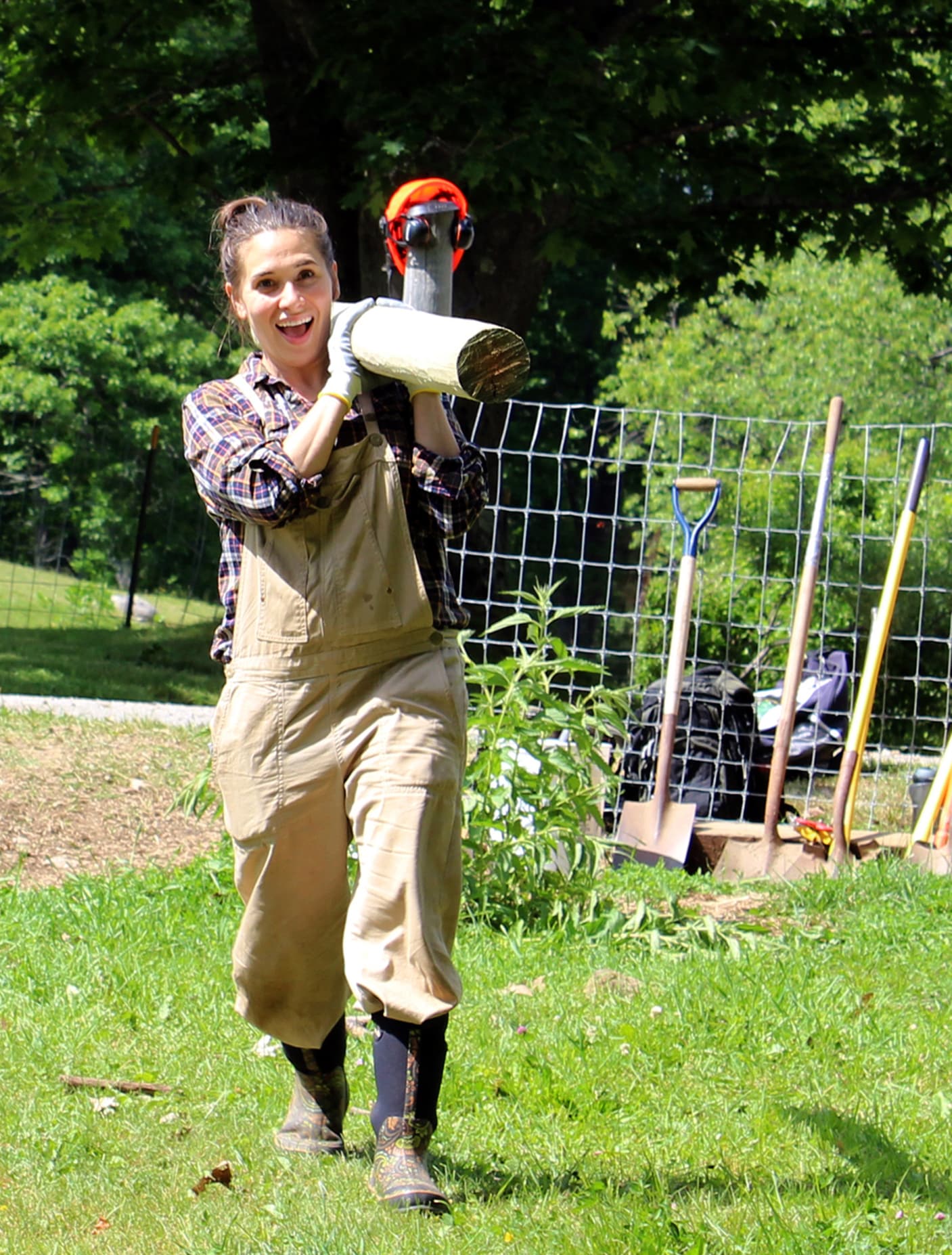
woman lifting a fence post

ATTRA Reaches Across the U.S.

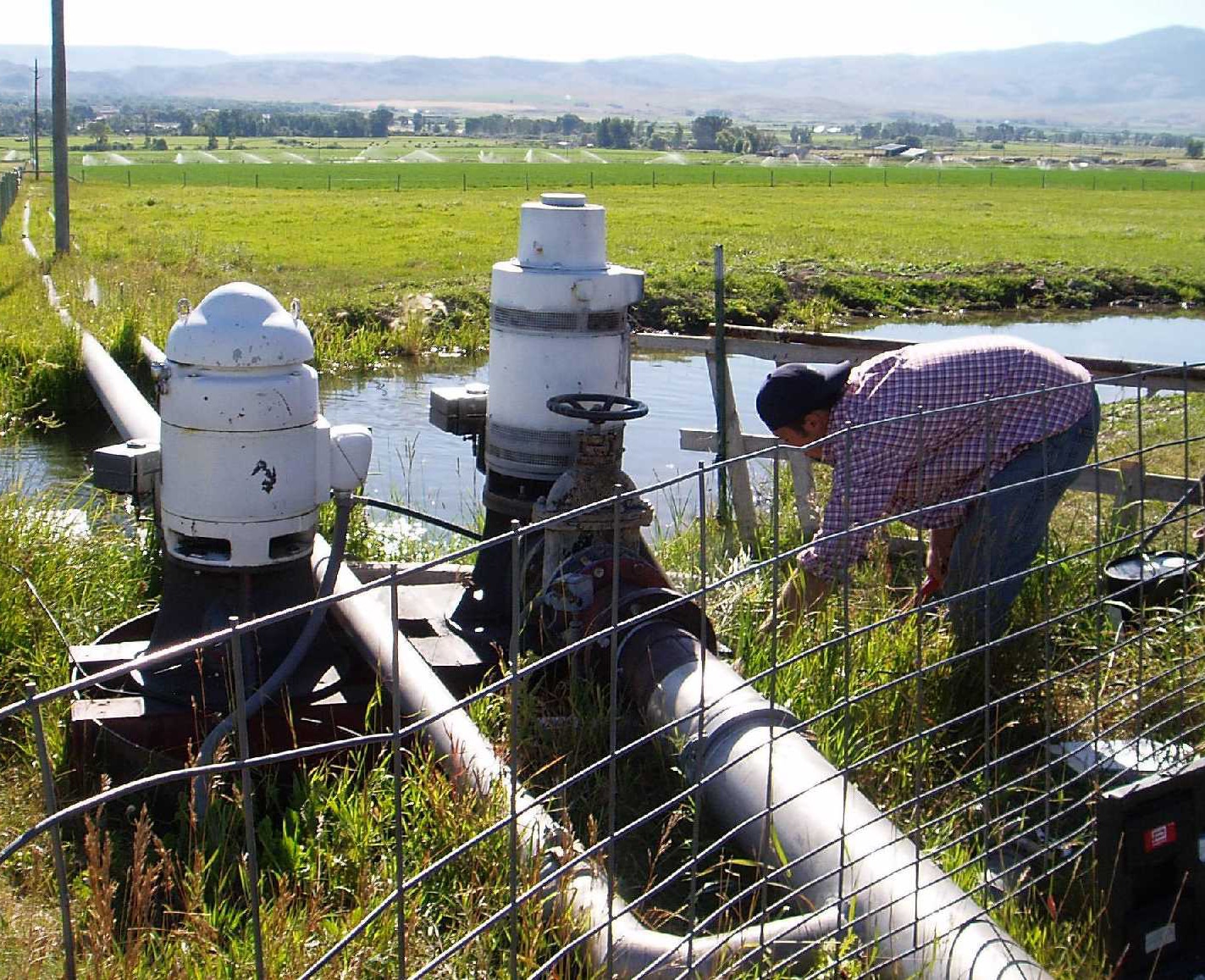
man working on irrigation pipe

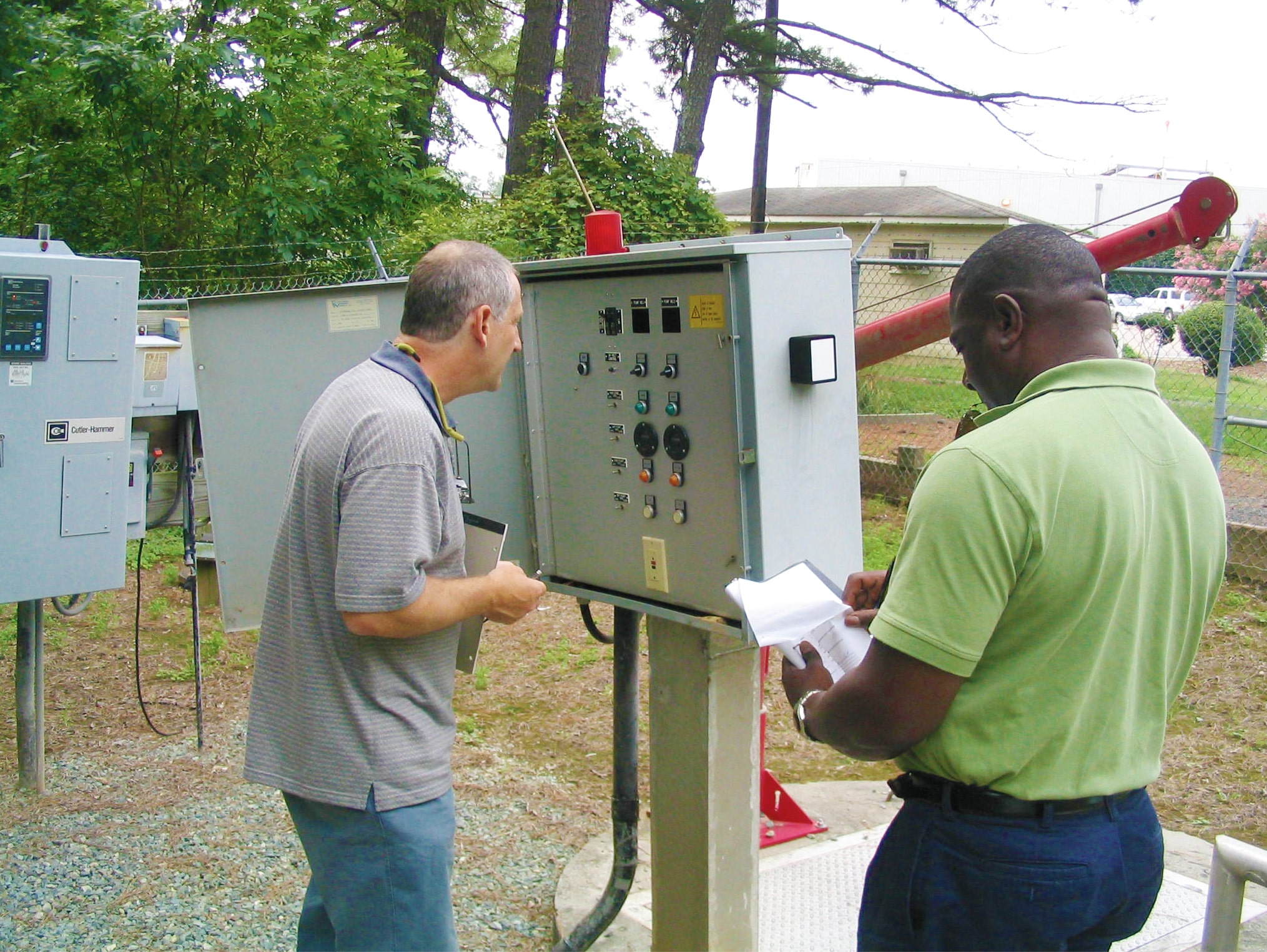
men on an energy audit
NCAT is a

Connector

piglet basking in the sun
NCAT is an

Incubator

NCAT by the

Numbers

NCAT

2024 Impact Report