Introduction to the Soil for Water Video Case Studies
Provided by:
About this Video
This project material is based upon work that is funded and supported by the National Institute of Food and Agriculture, U.S. Department of Agriculture, under award number 2020-38640-31521 through the Southern Sustainable Agriculture Research and Education (SSARE) program under subaward number LS21-345. USDA is an equal opportunity employer and service provider. Any opinions, findings, conclusions, or recommendations expressed in this publication are those of the author(s) and do not necessarily reflect the view of the U.S. Department of Agriculture.
Related Resources
Bean Hollow Grassfed Farm: A...
Bramble Hollow Farm: A Soil ...
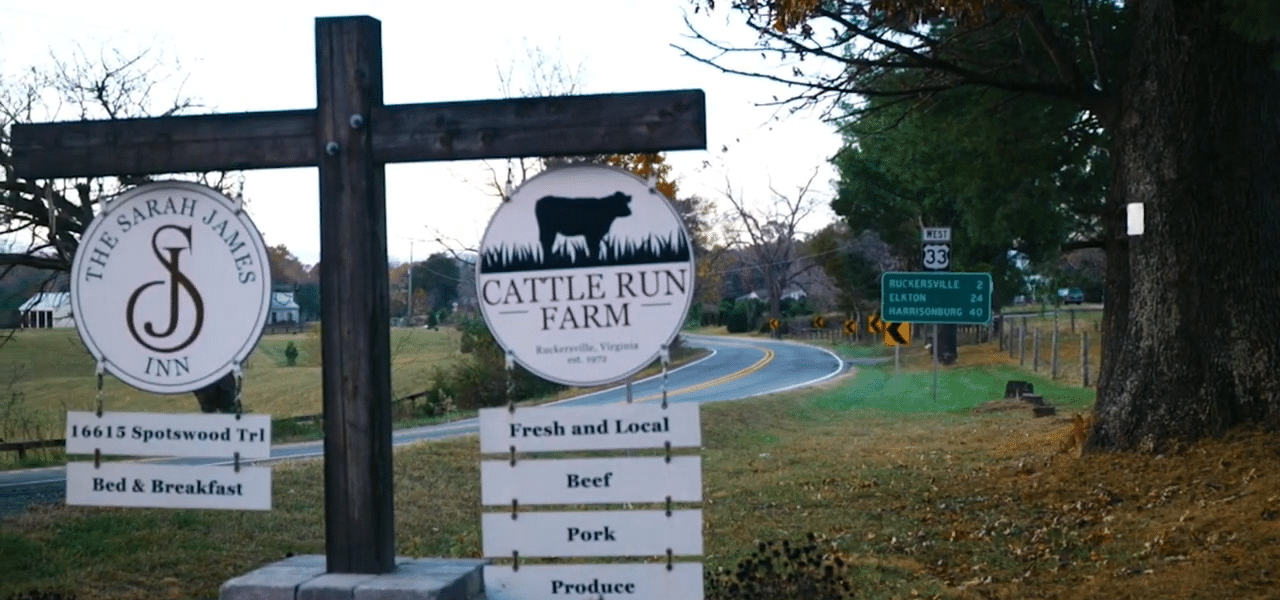
Cattle Run Farm: A Soil for ...
Ellett Valley Beef Company: ...
Ember Cattle Company: A Soil...
Glade Road Growing: A Soil f...
Heaven’s Hollow Farm: A Soil...
Holsinger Homeplace Farms: A...
Shamoka Run Farm: A Soil for...
Singing Spring Farm: A Soil ...
Swisher Family Farm: A Soil ...
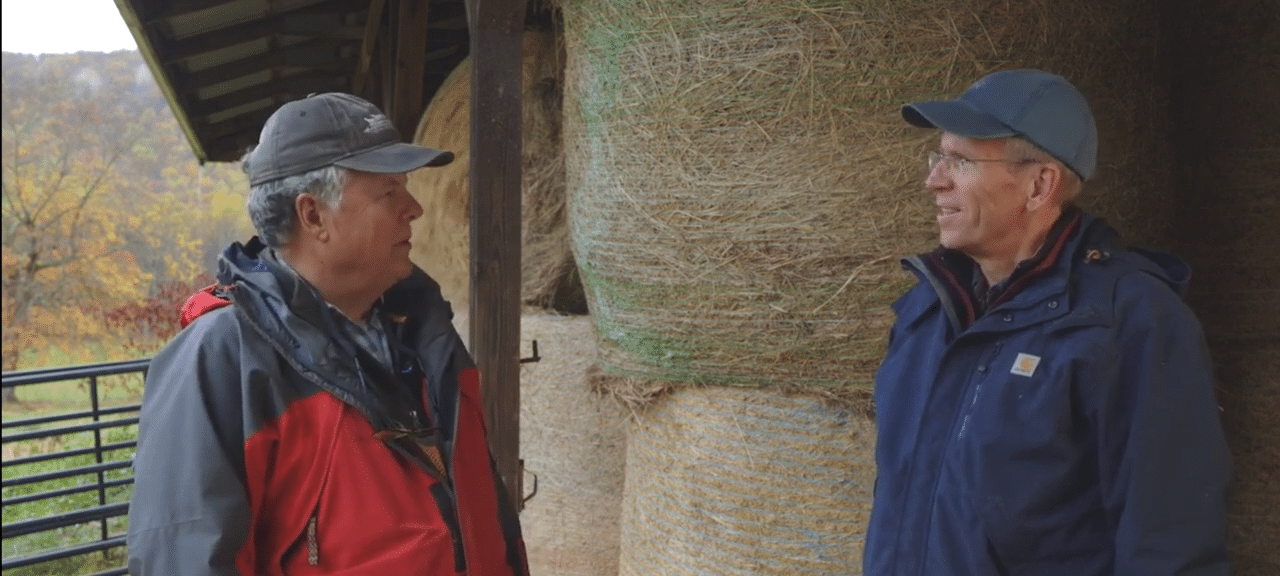
In this video, Eric Benfeldt, an Extension Specialist with Virginia Cooperative Extension, introduces the Soil for Water Video Case Studies series.
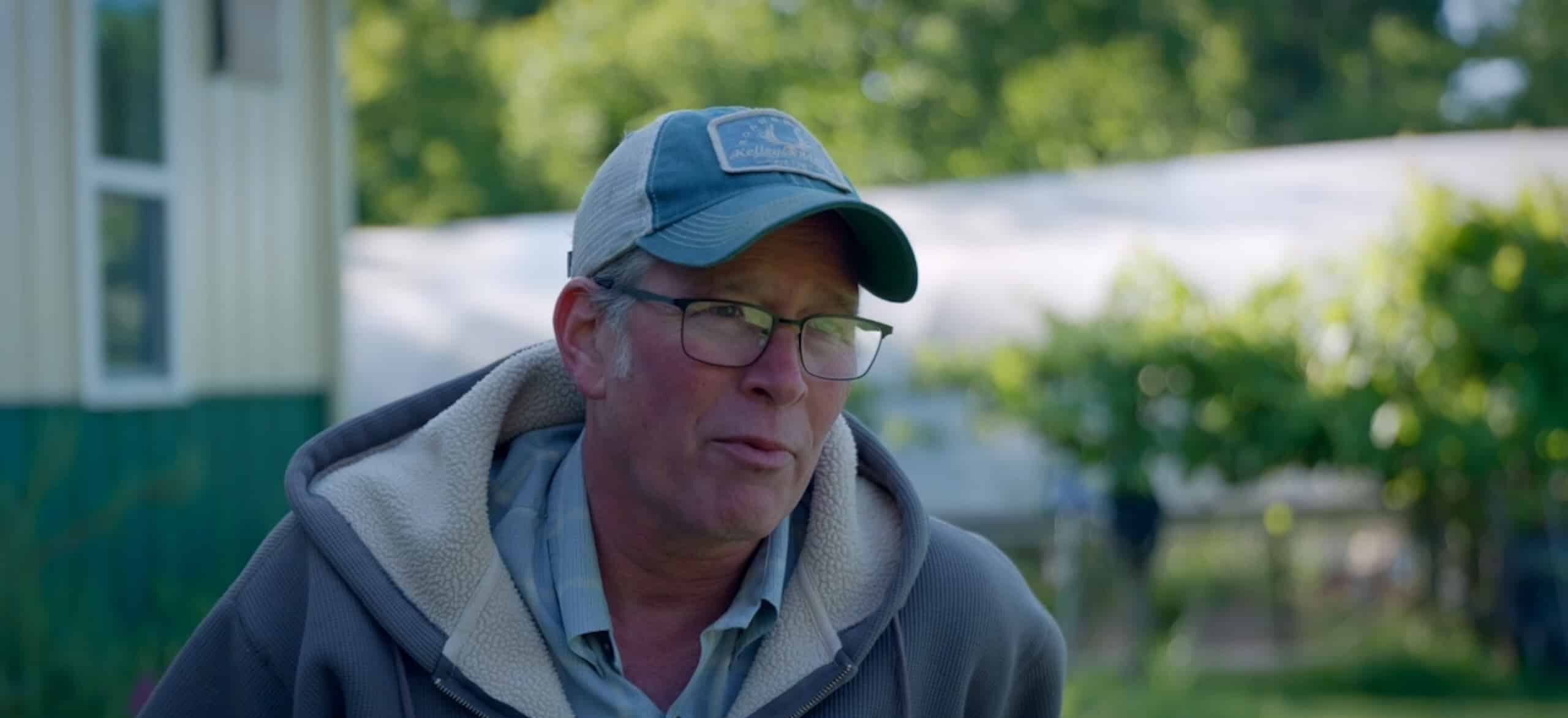
The purpose of this systems research project led by National Center for Appropriate Technology (NCAT) was to identify and promote practical ways of using regenerative grazing practices to improve soil health and catch and hold more rainwater in soil. Virginia Tech and Virginia Cooperative Extension’s project team conducted 11 semi-structured interviews and conversations across Virginia to learn and better understand farmers’ and ranchers’ agroecological motivations and overall values related to the protection and conservation of water resources. The project aimed to highlight distinct and diverse farms of Virginia’s agricultural community through a narrative inquiry framework.
The project team included Eric Bendfeldt, Kim Niewolny, and Katie Trozzo from Virginia Tech and Virginia Cooperative Extension; Lee Rinehart and Mike Morris of NCAT; and Ernie Didot of Clear Impact Productions.
The project team especially wants to thank the participating farmers for sharing their time, experiences, and insights about regenerative grazing and soil health-building systems with us and the broader community.
Virginia Cooperative Extension is a partnership of Virginia Tech, Virginia State University, the U.S. Department of Agriculture, and local governments. Its programs and employment are open to all, regardless of age, color, disability, sex (including pregnancy), gender, gender identity, gender expression, genetic information, ethnicity or national origin, political affiliation, race, religion, sexual orientation, or military status, or any other basis protected by law.