Water Resilience in the Gulf States: Helping Small Farms Weather Drought and Flooding
Provided by:
Written By

Related Resources
For farmers and ranchers across the Gulf States region, water is both an essential resource and one of agriculture’s greatest sources of risk. Producers may face periods when there is too little water followed by intense rainfall, leading to saturated soils, flooding, and runoff. These conditions can disrupt planting and harvesting, damage crops and infrastructure, increase input costs, and reduce farm income.
In 2026, Mississippi provided a particularly clear example. In April, the state had received only about half of its normal rainfall, making it the tenth-driest year in state history. Yet water extremes can change rapidly. In mid-June, portions of the Deep South experienced rainfall totals of four to eight inches or more from Tropical Storm Arthur, a Gulf of Mexico weather system that produced flash and lowland flooding even though the region was experiencing drought conditions shortly before the event. For small farms operating with limited financial reserves, the ability to prepare for both extremes is increasingly important for protecting farm viability.
Water resilience begins with changing the way farmers think about the relationship between soil, water, crops, and farm economics. The goal is not simply to find more water during a drought or to remove water after a flood. A resilient farm is designed to slow, capture, infiltrate, store, use, and safely move water according to the needs of the farm.
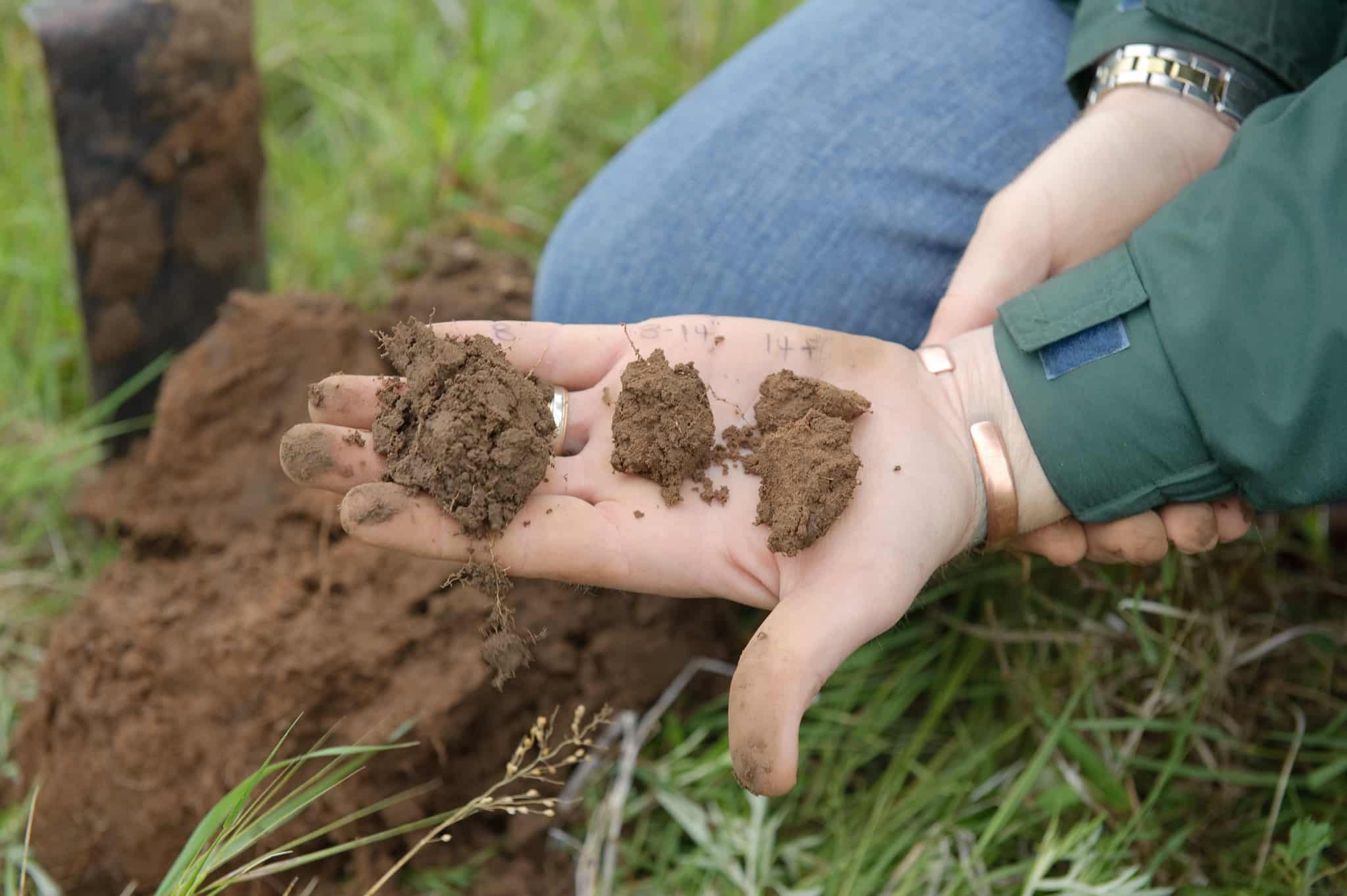
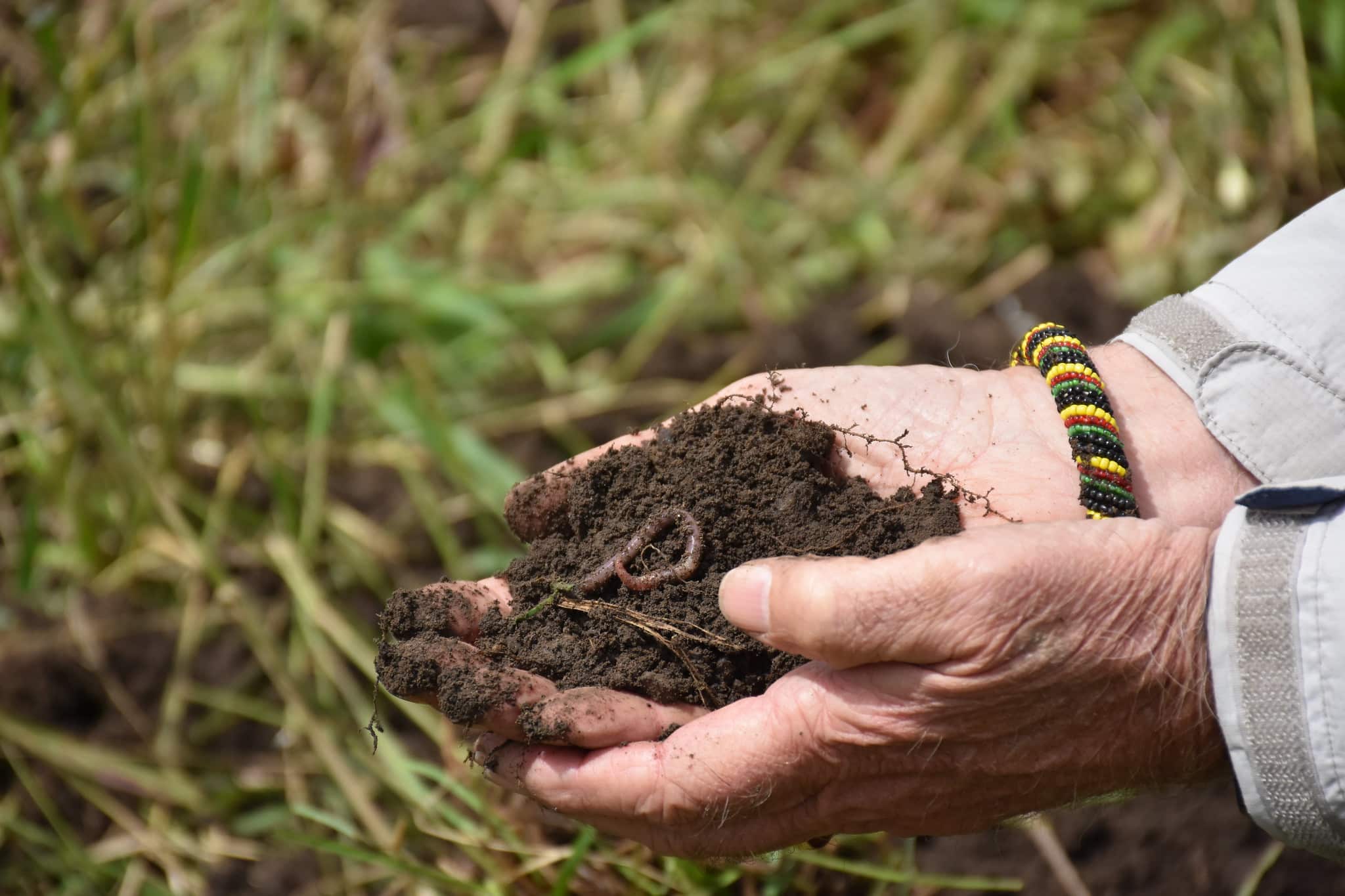
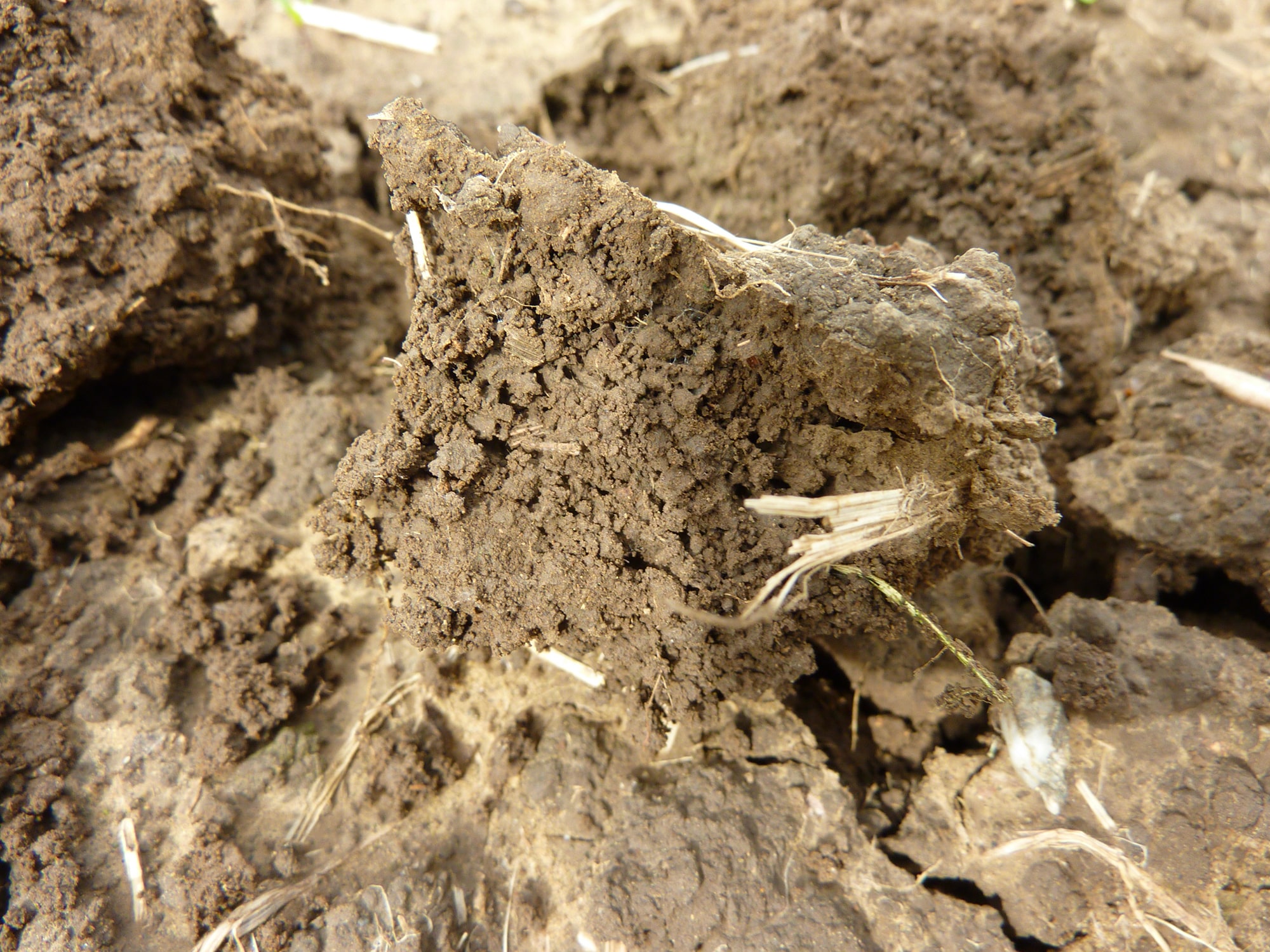
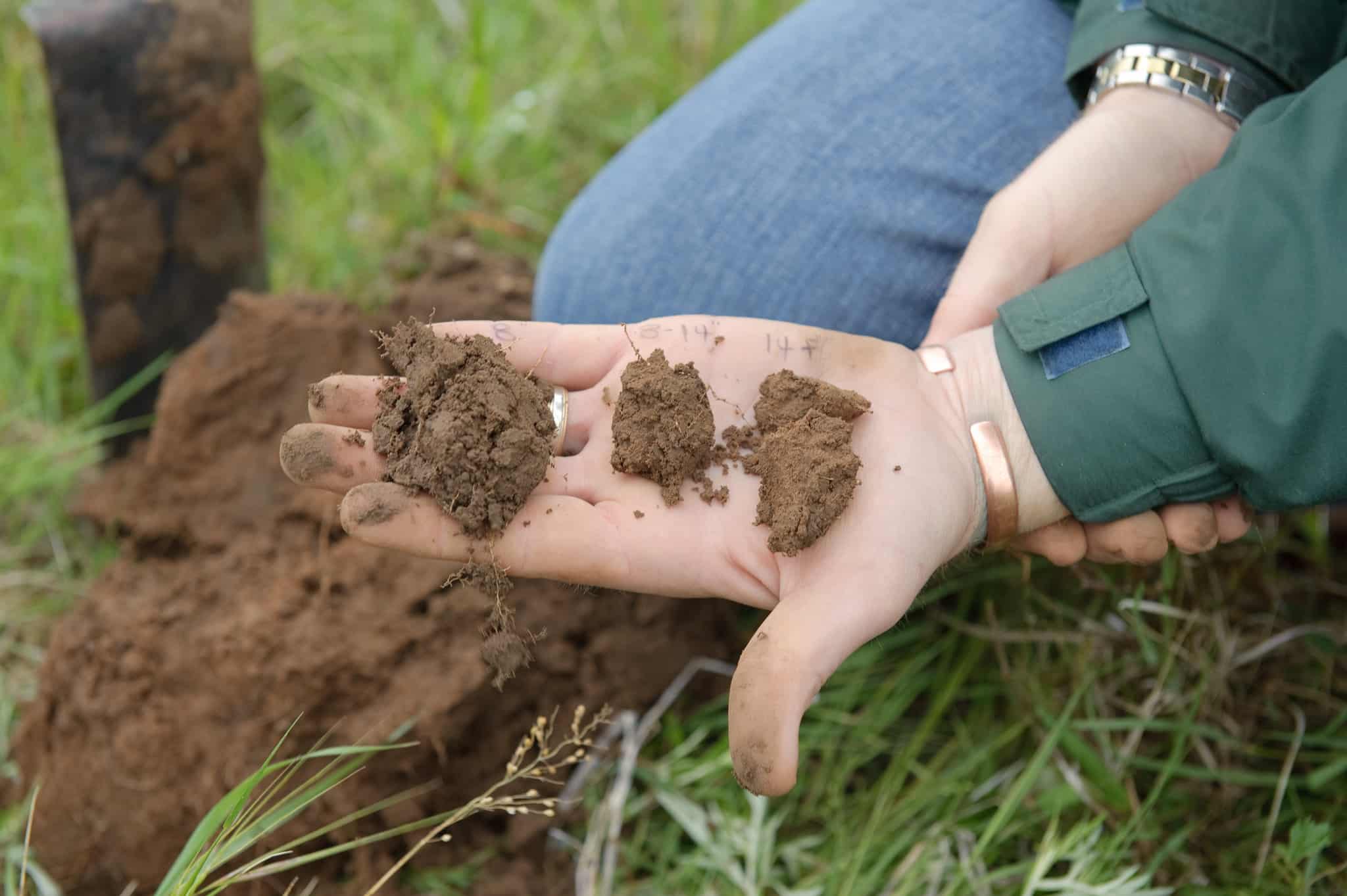
One of the most important water-management tools farmers have is healthy soil. Cover crops, crop rotations, reduced tillage, organic matter management, and maintaining soil cover can build soil health, improve infiltration and water-holding capacity, and reduce erosion and evaporation. USDA Southeast Climate Hub guidance identifies conservation tillage, high-residue cover crops, crop diversity, and micro– irrigation as practices that can help Southeastern producers manage drought, intense rainfall, erosion, and water loss. NRCS likewise recommends approaching water challenges as a system, rather than relying on a single conservation practice. For a small vegetable farm, this could mean combining raised or appropriately shaped beds, mulch, cover crops, drainage pathways, rainwater capture, and efficient irrigation rather than investing heavily in one piece of equipment.
When There’s Not Enough
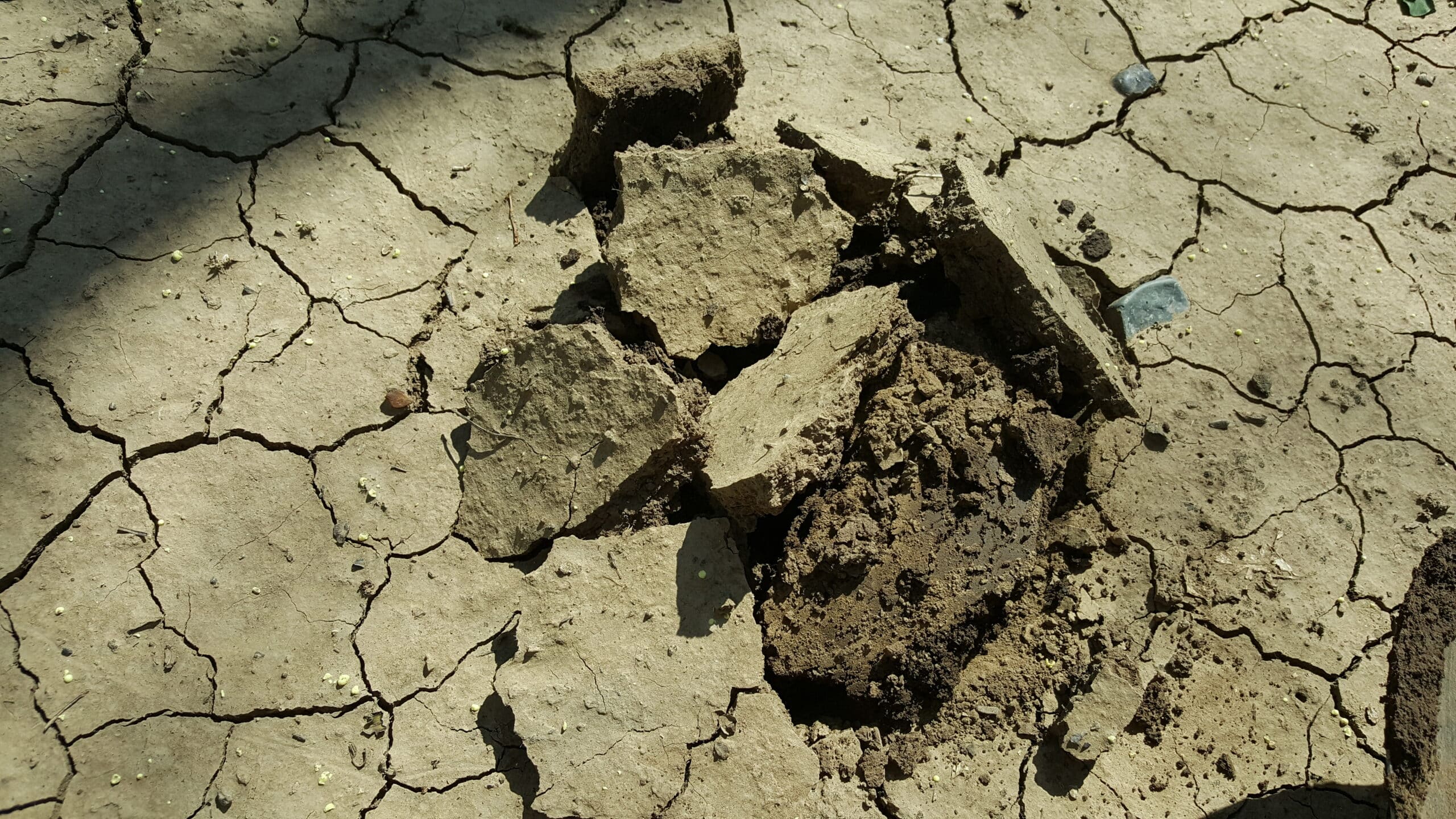
During drought, farmers need strategies that make the most out of every available drop of water. Soil-moisture monitoring can help producers determine when irrigation is actually needed instead of relying solely on a calendar or visual appearance. Micro–irrigation can deliver water closer to the crop root zone, while mulch, living plants, or residue-covered soils can reduce evaporation. Crop selection and diversification can also spread out risk by reducing dependence on one crop or one planting window. USDA guidance specifically identifies crop diversity and rotations as tools for avoiding climate-related disaster and reducing production risk.
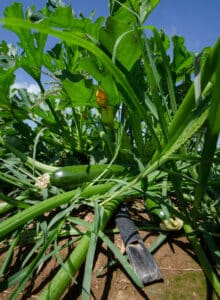
Micro-irrigation systems can keep crops like this zucchini productive even when the rain doesn’t come. The black tubing is an emitter hose that delivers water right to the root zone. Photo: USDA, Lance Cheung
Mississippi State University Extension Service research also demonstrates that water-use efficiency can translate into real economic savings. Research on alternate wetting and drying in rice found water-use reductions of 23-39%, with average savings of approximately $25 per acre under the tested management approach. While that research applies specifically to rice, it illustrates an important principle for all producers: Water management can be a risk management strategy, an environmental strategy, and a farm-business strategy.
When There’s Too Much
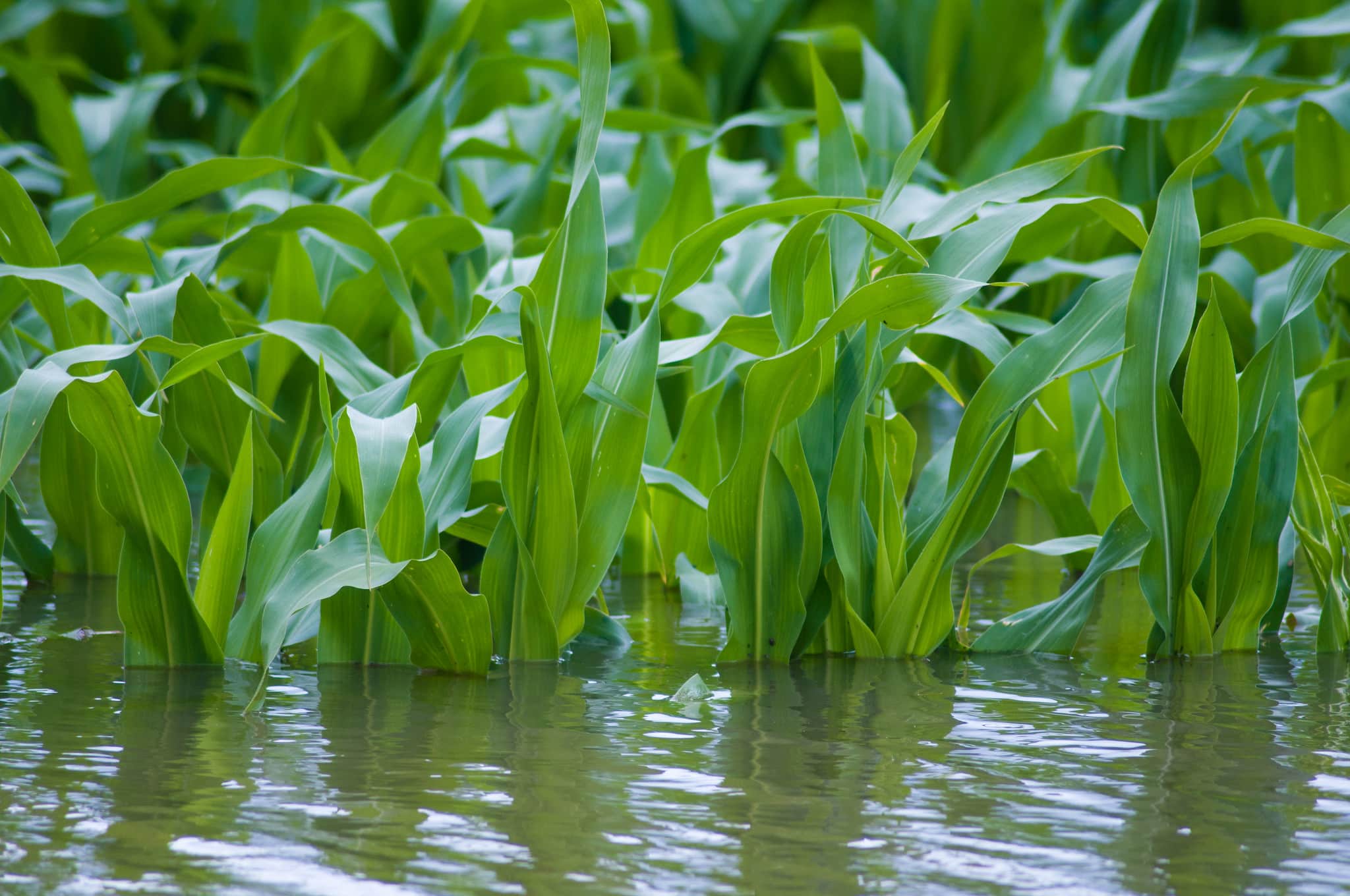
Flood and excessive rainfall require a different but complementary approach. Farmers need to think about where water enters the farm, where it accumulates, how quickly it moves, and where it can safely exit or infiltrate. Maintaining soil structure and reducing unnecessary soil disturbance can improve infiltration, while appropriately designed drainage, vegetative buffers, waterways, raised production areas, and other conservation practices can help manage excess water. The USDA Climate Hub notes that extreme precipitation and standing water can cause yield losses, interfere with field operations, increase runoff, and contribute to erosion.
Farmers should also consider the economic consequences of water damage before an extreme event occurs: What crops are most vulnerable? Which equipment should be moved? Where can they best protect livestock? Which fields recover fastest? What records should they maintain following a loss? What infrastructure can be protected or redesigned? These questions turn water management from an emergency response into a farm-planning exercise.
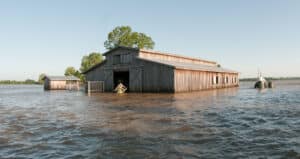
Locating farm buildings on higher ground and moving tractors and equipment prior to storms are both good risk management strategies. Photo: USDA, Lance Cheung
Layering Risk Management Practices
The most practical water-resilience strategy for small farms is layered risk management. Farmers can combine low-cost soil-building practices with appropriate water infrastructure, efficient irrigation, crop diversification, weather information, financial planning, and conservation assistance. NRCS provides technical assistance for resource assessment, conservation practice design, and resource monitoring. Also, financial assistance may be available for eligible conservation improvements. The USDA Southeast Climate Hub also provides weather and climate resources intended to help producers make decisions at the farm and field level. And NCAT’s sustainable agriculture specialists are here to support you through your planning process with our ATTRA phone line (1-800-346-9140), the ATTRA chat, or through askanag@ncat.org.
The key is to match the strategy to the farm rather than assuming that one solution works everywhere. A vegetable grower on a low-lying farm, a diversified farm on upland soils, and a livestock producer each have different water risks and therefore need different combinations of practices.
For small and medium-sized Southeast farms, water resilience is ultimately about protecting the farm’s ability to keep producing and earning income despite uncertainty. NCAT has found that farmers and ranchers learn about resilience and risk management best when trainings move beyond simply explaining droughts and floods and get people together out in the field. Producers need opportunities to walk the land, identify water-flow patterns, examine soil, test moisture, evaluate irrigation systems, calculate potential costs, and see conservation practices operating on real farms. They also need access to experienced farmers and ranchers, Extension professionals, conservationists, and technical specialists who can help translate information into practical decisions. USDA research and conservation programs emphasize exactly this connection between water management, conservation, production, and economic viability.
The future of Southeast agriculture will not depend on eliminating droughts or floods—we cannot control when nature will delivers too little or too much water. Farmers and ranchers must become better prepared for both. By investing in healthy soils, smarter water use, practical infrastructure, diversified production, farmer education, and site-specific planning, small farms can reduce unnecessary losses and make better economic decisions when weather conditions change. Water resilience is not simply a climate strategy—it is a farm-business strategy, a conservation strategy, and a community-resilience strategy.
This blog is produced by the National Center for Appropriate Technology through the ATTRA Sustainable Agriculture program, under a cooperative agreement with USDA Rural Development. NCAT.ORG/ATTRA.