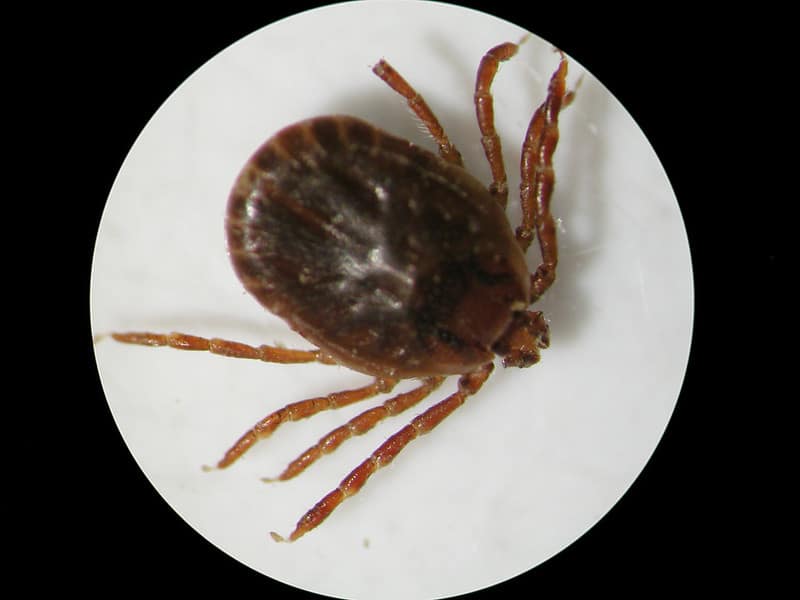
Livestock Producers Should Be Vigilant for Theileria
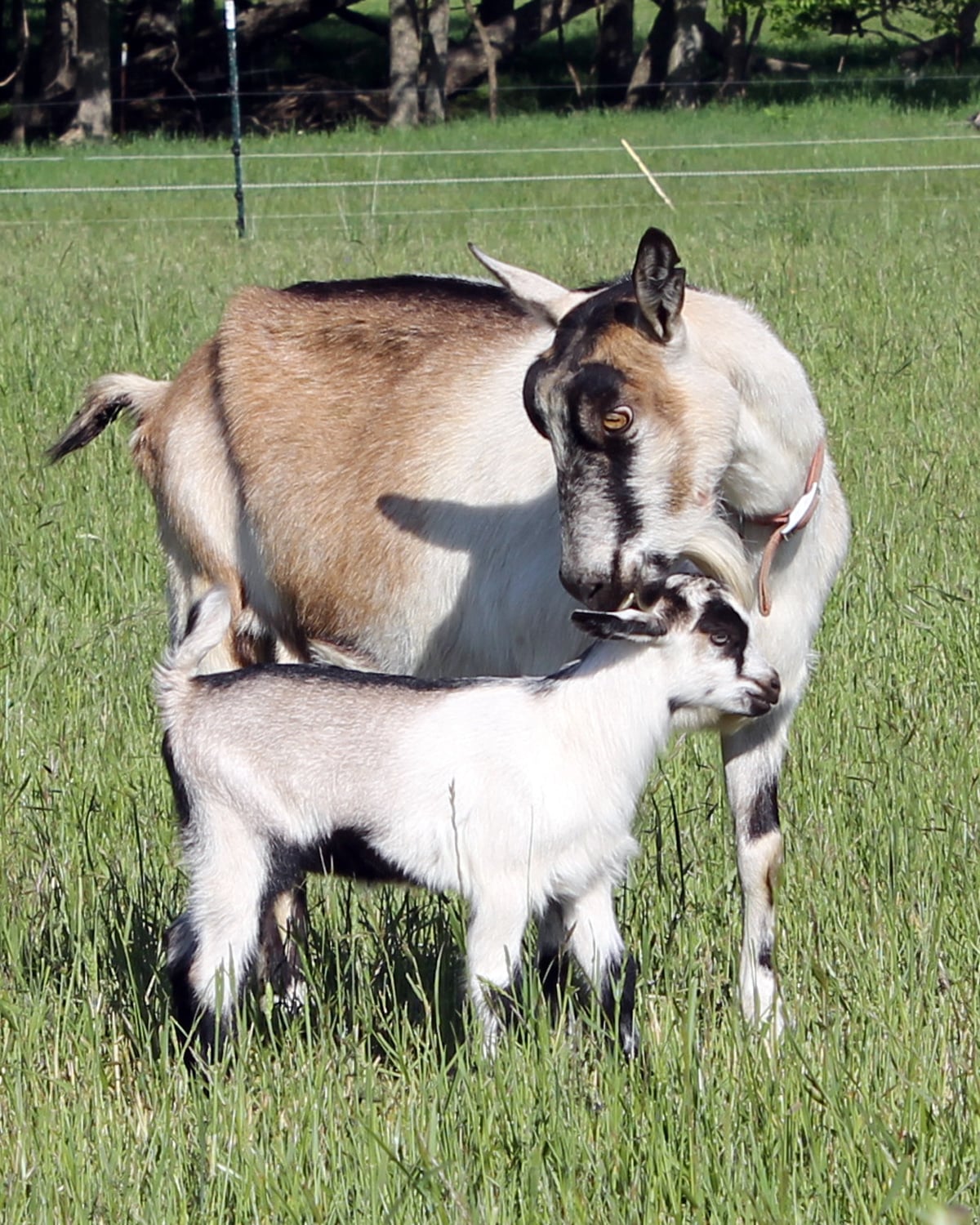
State Departments of Agriculture and federal authorities are encouraging cattle producers to be vigilant for the parasite Theileria, as its occurrence is spreading to more areas. Theileria is a tick-borne parasite that affects cattle and can also affect sheep and goats and can cause anemia, jaundice, loss of appetite, exercise intolerance, weakness, and, in some cases, death. The Asian longhorned tick, a primary carrier of the parasite, has become established in more than 20 states over the past decade, since it was first confirmed in the United States in 2017. However, the disease can also spread through veterinary equipment, lice, and biting flies and was recently detected in Nebraska, where the Asian longhorned tick has not yet been found. There are no current vaccines or approved treatments for Theileria, so experts advise livestock producers to focus on prevention by implementing external parasite controls for their animals and practicing biosecurity when moving animals.