Publication Examines How Invasive Plants Alter Wildfire Behavior
Provided by:
Published On
May 11, 2026
Share this News
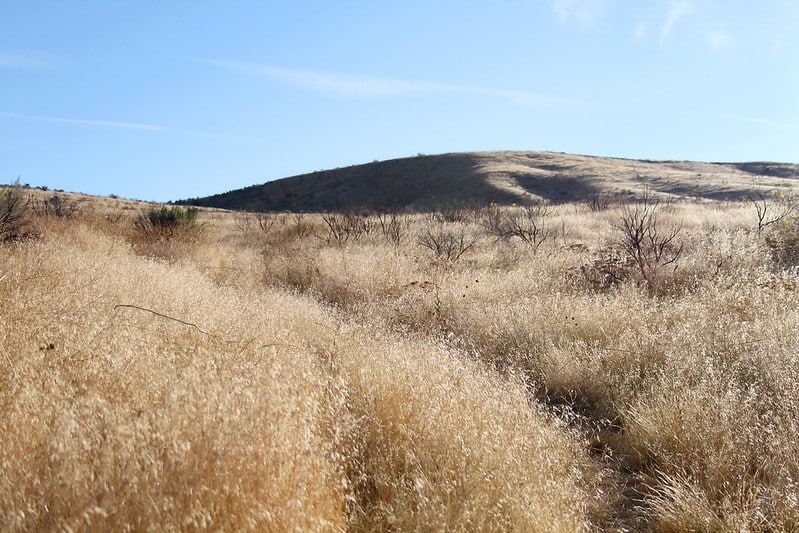
The Council for Agricultural Science and Technology (CAST) has released Integrated Management of Fire-Adapted Invasive Plants That Change Wildfire Regimes, a peer-reviewed science publication examining how fire-adapted invasive plants alter wildfire behavior across the United States — and what land managers, policymakers, and practitioners can do about the situation. Species such as cheatgrass and cogongrass don’t simply survive fire — they exploit it, loading landscapes with fine, continuous fuels that increase fire frequency and intensity and give the invader a competitive advantage over native vegetation after each burn. The publication also examines invasive plants that suppress fire rather than fuel it — a dynamic that is equally damaging to native ecosystems but receives far less attention in policy discussions. The publication covers integrated pest management approaches — including biological, chemical, cultural, and mechanical control methods — as well as revegetation and restoration strategies following invasion and wildfire. Regional case studies from California, the Southeastern United States and the Sagebrush Steppe illustrate how these dynamics play out across distinct ecosystems and fire regimes. The full publication is available free online.