
1960s
Appropriate Technology movement begins
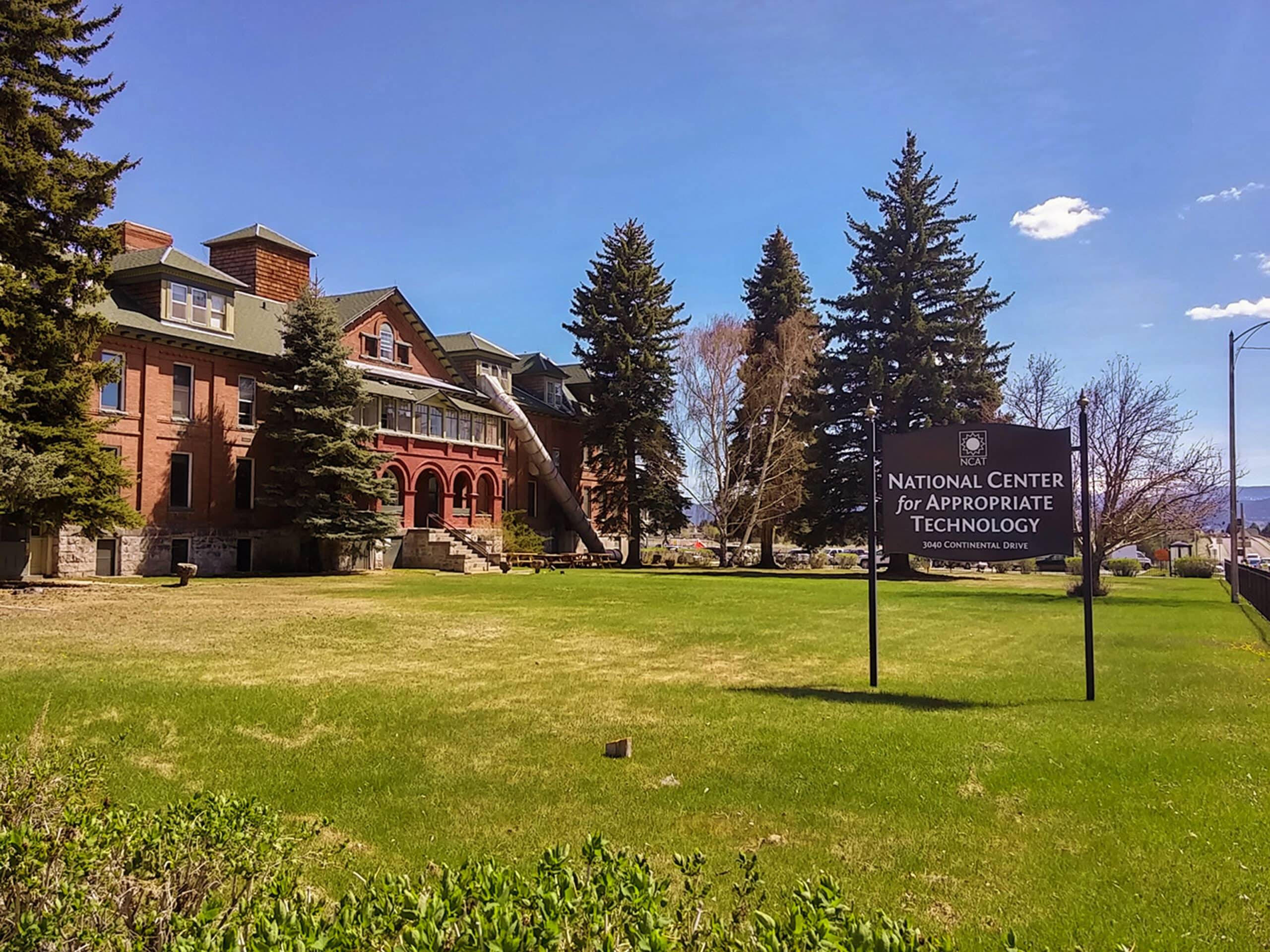
Appropriate Technology (AT) emerged in the 1960s as a movement to create practical, accessible solutions for people and communities. It focused on using resources efficiently, improving livelihoods, and empowering individuals to manage their land and energy in ways that work for them.
1973
AT Tied to People and Economics
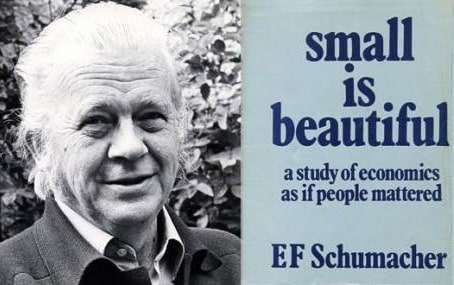
In 1973, E.F. Schumacher, considered the father of Appropriate Technology, wrote a book called Small is Beautiful: A Study of Economics as if People Mattered. AT is more than just technology; it weaves in economics, efficiency, poverty, the developing world, developed countries, and the appropriateness of solutions to problems. It’s a fundamental principle that’s critical, necessary yet often hidden in plain sight. It’s the appropriateness of simple and small technologies and solutions that make the difference in people’s lives.
1976
NCAT Created
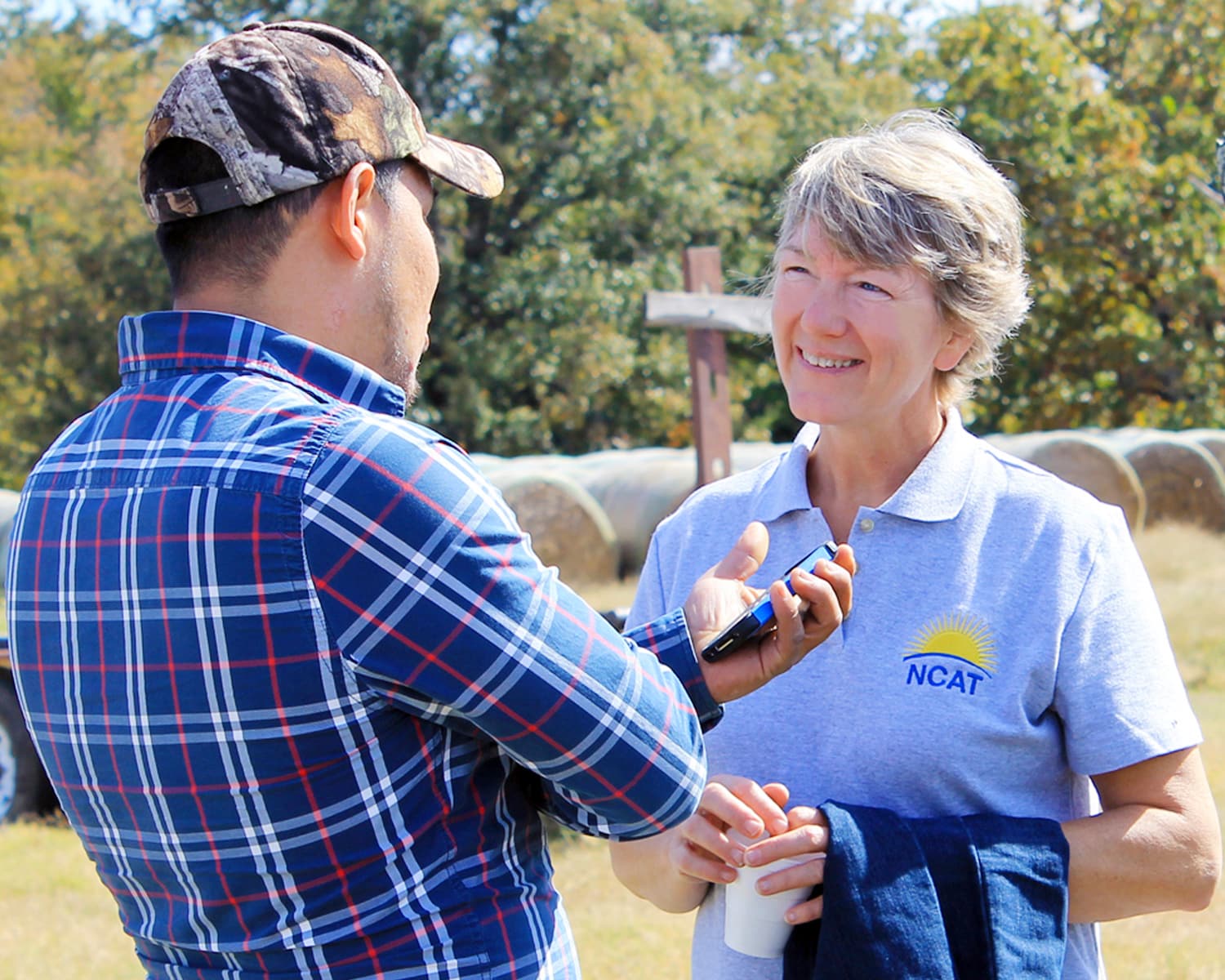
The National Center for Appropriate Technology was created with $3 million from the Community Services Administration and the goal of “encouraging widespread use of appropriate technologies that help alleviate problems of low-income Americans.”
1977
Historic Headquarters
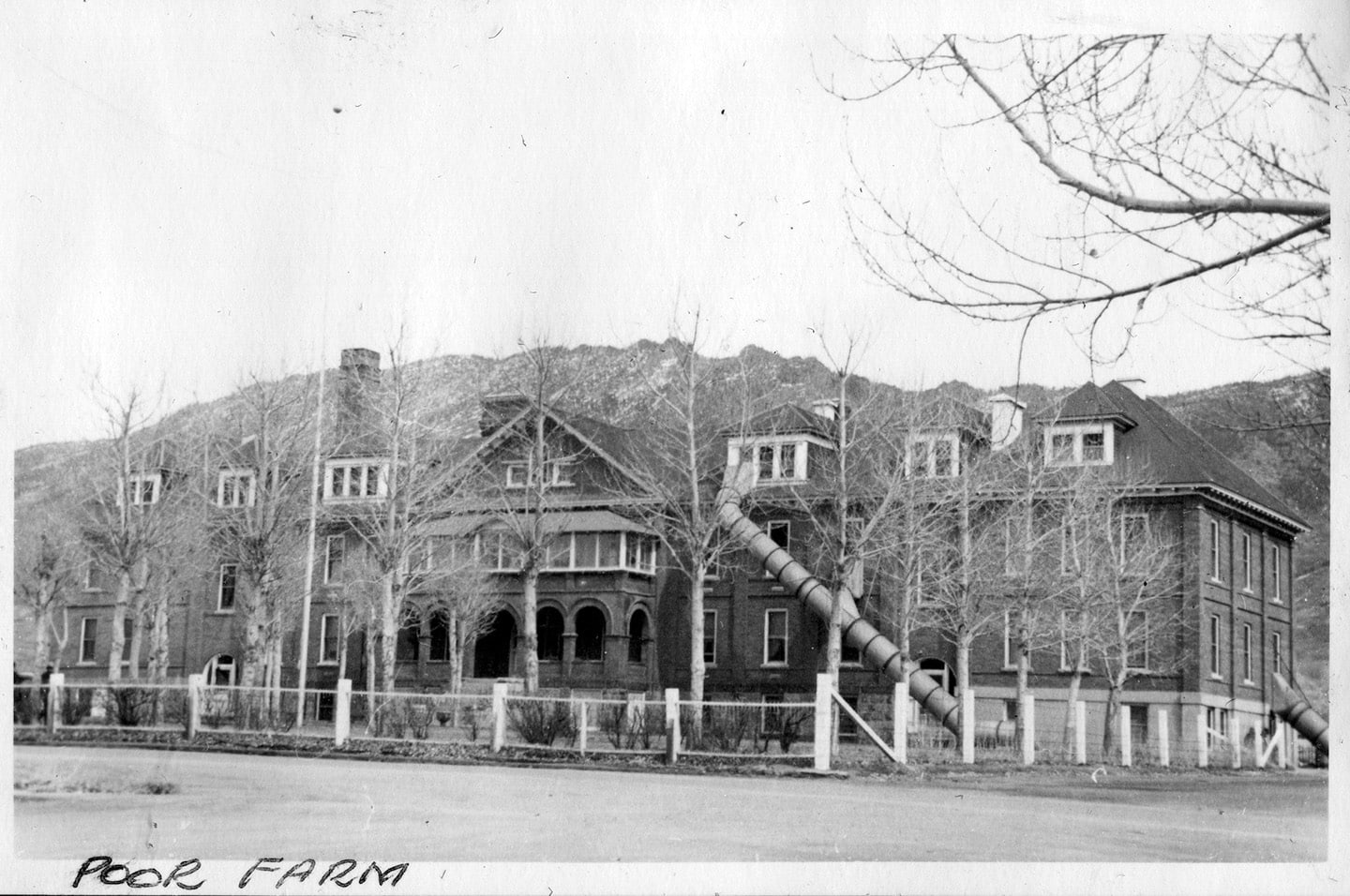
By early 1977, NCAT moved into the vacant Silver Bow County Poor Farm Hospital, which was built in 1902 and is the only standing “poor farm” hospital in Montana.
1977-1981
Small Grants Program
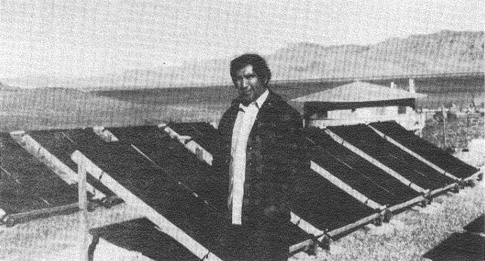
From 1977 to 1981, NCAT ran an Appropriate Technology Small Grants Program, awarding about 360 grants totaling $2.7 million to Community Action programs and other community groups. One example, pictured here, is the storage tank and solar collector system overlooking a Tribal fish hatchery in Sutcliffe, Nevada. NCAT played an important role as the evaluator of the individual grants in this national energy program. Photo: https://escholarship.org/uc/item/2853h9cc
1982 – 1994
AT in Energy and Agriculture
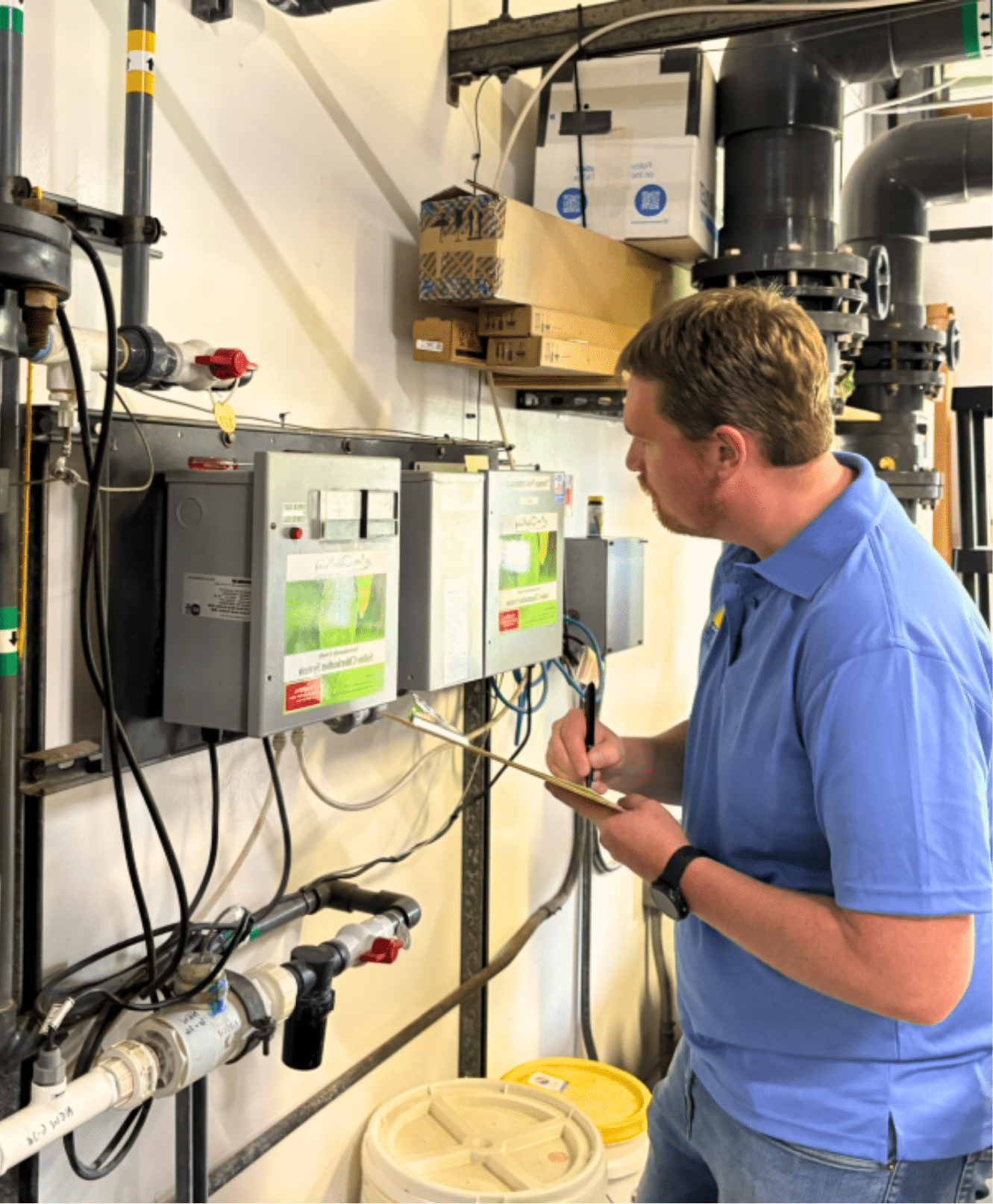
The National Appropriate Technology Assistance Service (NATAS) was created and operated by the National Center for Appropriate Technology, which received funding from the U.S. Department of Energy. NATAS initially offered free technical assistance on issues relating to renewable energy and energy efficiency. Eventually, the program expanded to include financial business education and services to many of the program’s individual and small business clients. NATAS provided the foundation and institutional wherewithal for NCAT to pursue new appropriate technology endeavors, including in agriculture.
1987
ATTRA Launch
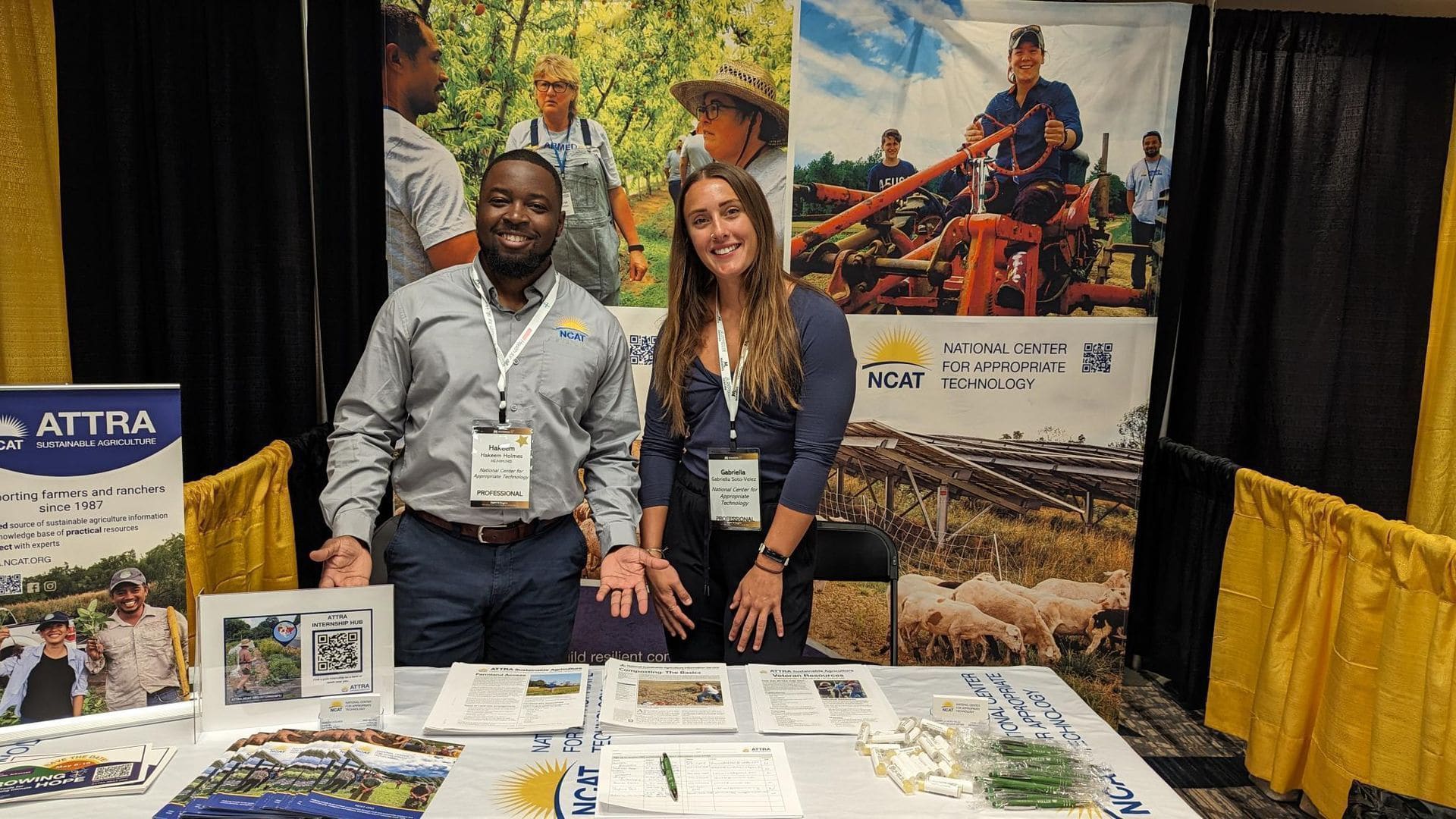
NCAT began a program similar to the National Appropriate Technology Assistance Service, but intended for farmers and rural people: Appropriate Technology Transfer for Rural Areas (ATTRA). Today, the ATTRA Sustainable Agriculture program is one of the cornerstones of NCAT’s work.
1995-2005
Center for Excellence for Sustainable Development
NCAT operated an information clearinghouse website for the U.S. Department of Energy’s Center of Excellence for Sustainable Development, covering topics such as building energy efficiency, renewable energy deployment, and elements of sustainable community design like housing, transportation, and greenspace. The clearinghouse maintained a library of links to sustainable development resources and published a regular newsletter on developments in the field, funding opportunities, and events related to sustainable community development.

1998
Mississippi Riverwise & LIHEAP Clearinghouse
NCAT coordinated the Mississippi Riverwise Partnership to reduce nitrogen runoff in the 31-state Mississippi River Basin and launched resources like the LIHEAP Clearinghouse and National Energy Assistance Referral program to support low-income energy assistance providers and applicants.

2000
Sun4Schools & Solar Installations
NCAT installed solar panels on its historic Butte headquarters and later added a campus array to meet all electricity needs. Through its Sun4Schools program, NCAT brought solar systems and hands-on curriculum to 32 schools in Montana and Iowa.

2006
FoodCorps Pilot
NCAT launched a pilot project, FoodCorps, in Montana to focus on farm-to-school efforts to address childhood obesity and nutrition education. The project was so successful in educating students about how and why to eat local, healthy foods that in 2011 NCAT and partners established a national FoodCorps organization.
2011
Energy Corps AmeriCorps
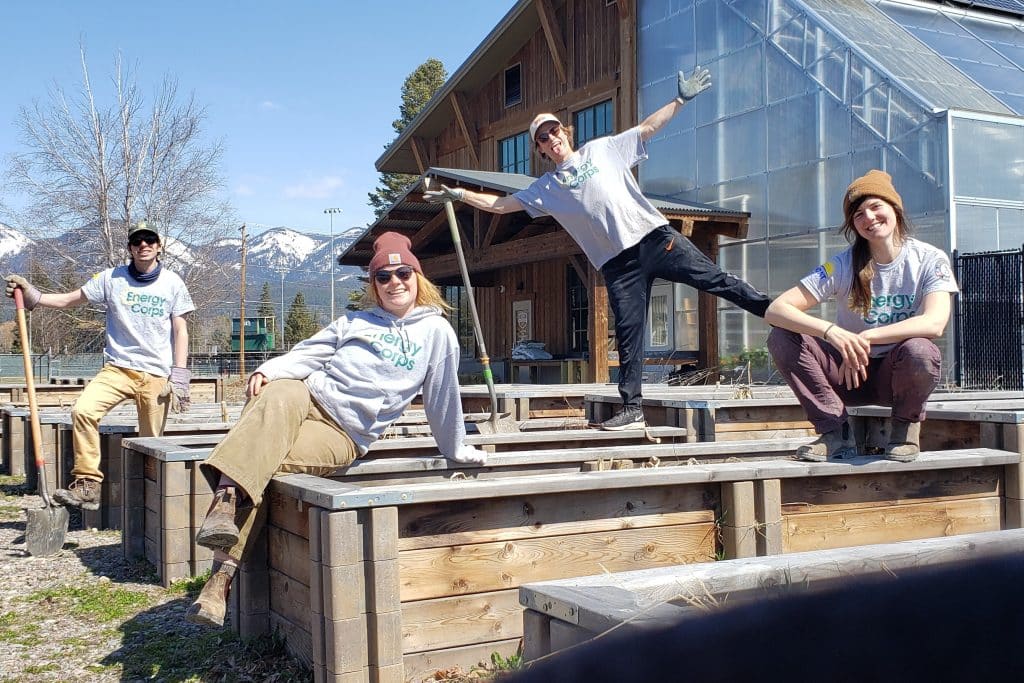
NCAT created the EnergyCorps AmeriCorps program in cooperation with the Corporation for National and Community Service to address unmet community energy needs by promoting sustainable energy consumption and education, fostering community sustainability, and helping to mitigate the effects of global climate change.
2013
Armed to Farm Program
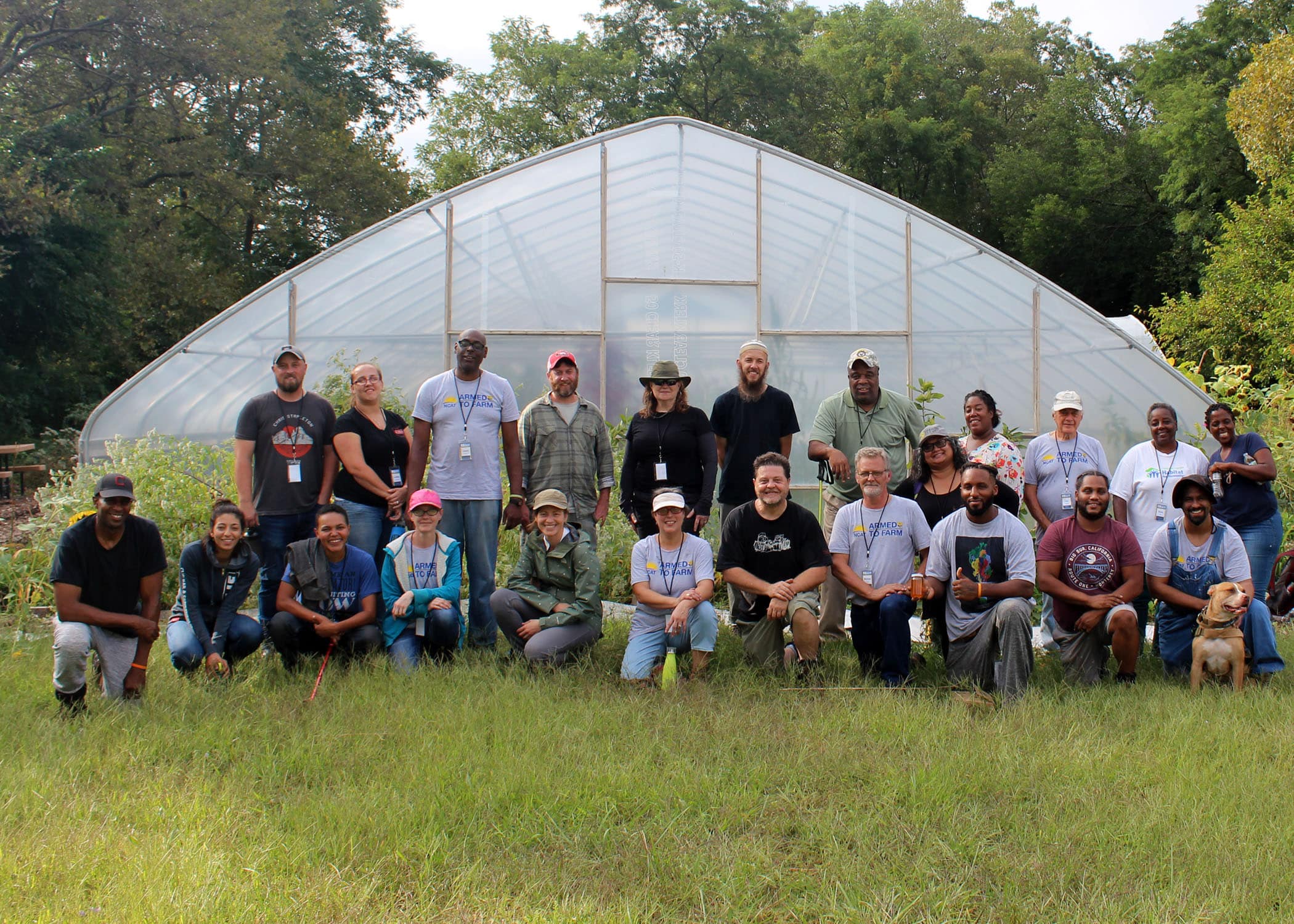
NCAT created Armed to Farm, a sustainable agriculture training program for military veterans. Armed to Farm was developed through the ATTRA cooperative program with USDA-Rural Development and funding support from other public and private partners. As of 2025, more than 1,300 veterans have received training through this program.
2015
Soil for Water Pilot & Expansion
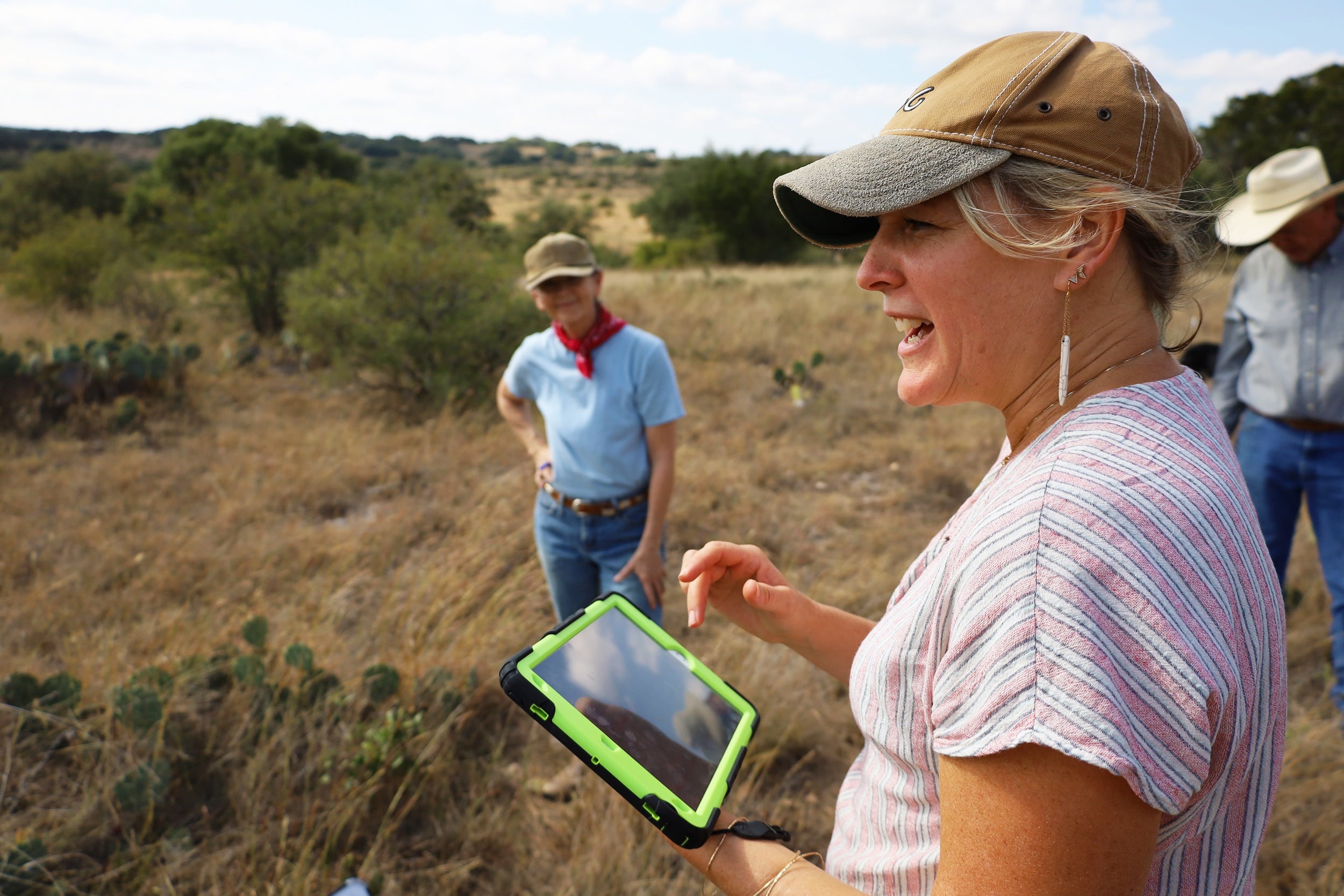
NCAT launched the Soil for Water network, first as a pilot for Texas ranchers during the megadrought. Soil for Water promotes appropriate technology, peer-to-peer learning, respectful collaboration, and adaptive management to advance regenerative agricultural practices that can resolve pressing challenges to sustainable systems of food, fiber, and water. By 2021, it had expanded to all 50 states.

2021
AgriSolar Clearinghouse Launch
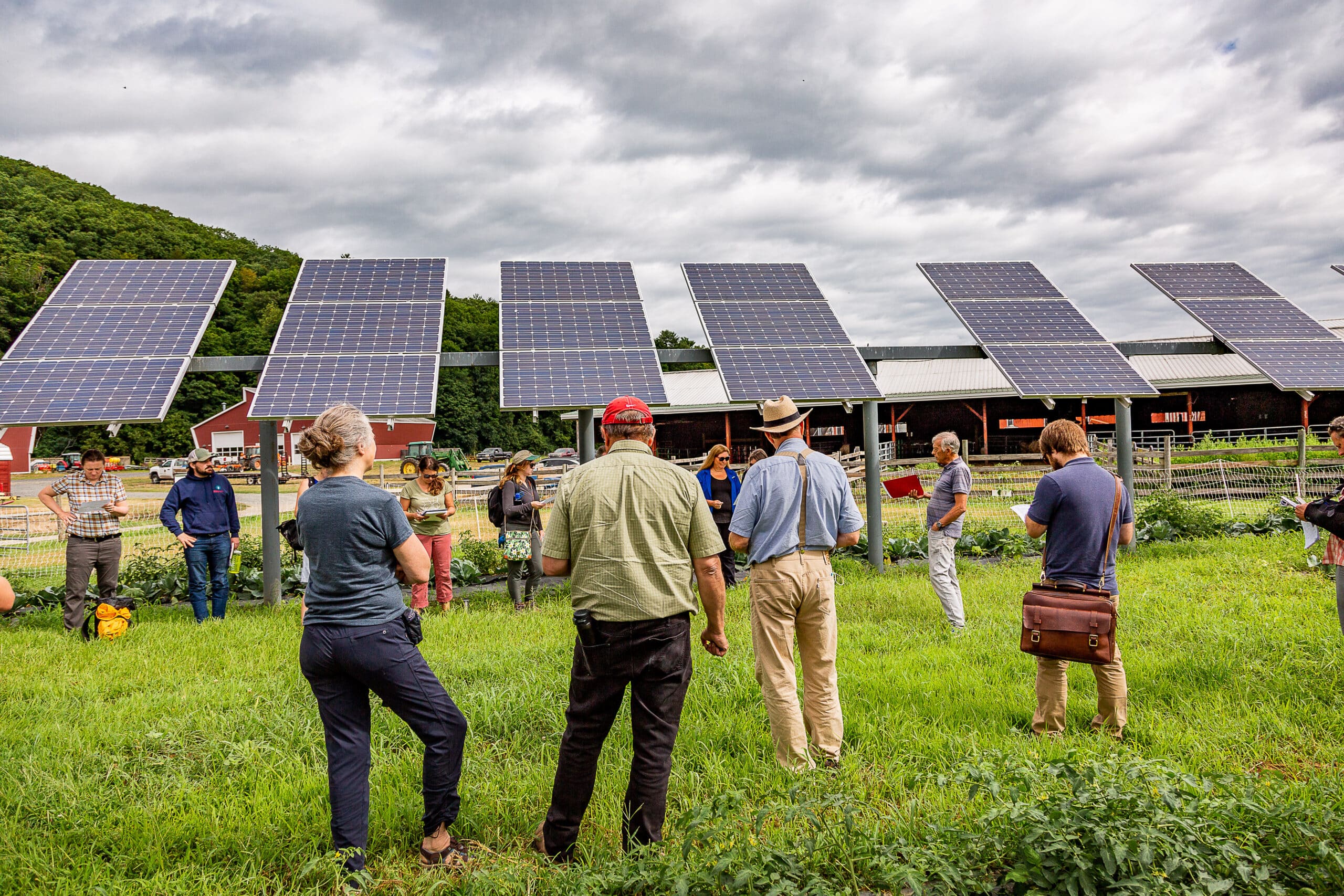
NCAT launched the nation’s first AgriSolar Clearinghouse to connect businesses, landowners, and researchers with trusted resources to support the growth of co-located solar and sustainable agriculture, also known as agrivoltaic development. The clearinghouse is funded through a cooperative agreement with the U.S. Department of Energy’s Solar Energy Technologies Office.