Assessing Land Before You Buy: Finding Your Perfect Lot
Provided by:
Written By

Related Resources

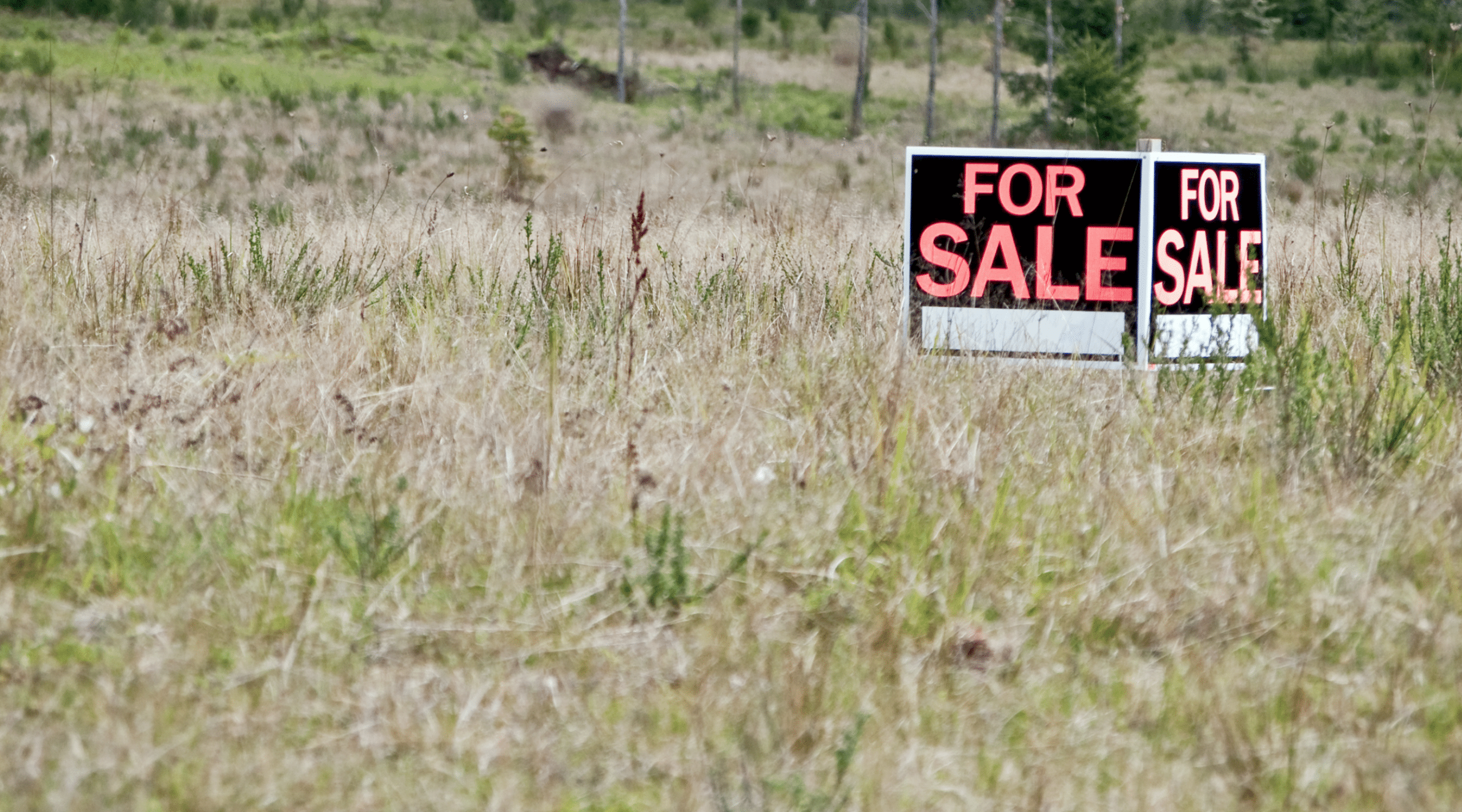
Have you ever been riding down a long winding country road looking out the window and you notice a “Land for Sale” sign? Did you pull over and take a picture of the sign and squint as hard as you could through the trees to see the rear of the lot? No? Just me?
Okay, maybe you didn’t do all of that, but maybe you do have an interest in a piece of land and want to know what the next steps would be to make the property yours. Purchasing land, like buying a home, may be the largest purchase of most of our lives, so how do we make sure we don’t find ourselves in a situation with buyer’s remorse?
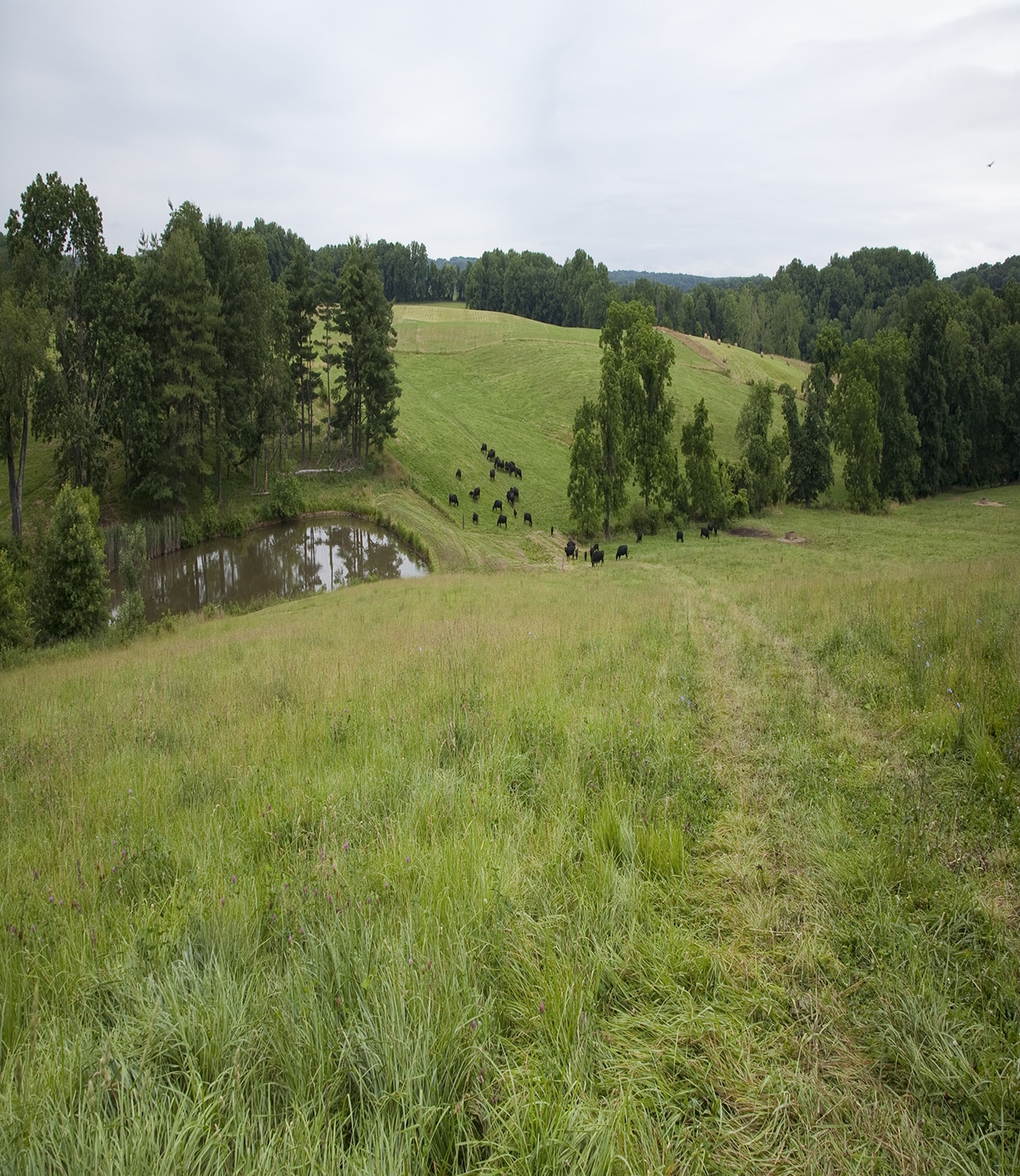
Since most people purchasing farmland are outside of city limits, our priorities on what we can call viable property for a homestead or farmland are different than for most house purchases. Water access, soil quality, boundaries or easements, utilities, and zoning should be top of mind. With so many things to consider, wouldn’t it be helpful if there were a scoring system we could use to rate a property to determine its utility? No worries—to save you some time, I’ll share the guide that I utilized when acquiring my first new undeveloped property. This rating system uses a 100-point scale, distributed across the five core factors I just mentioned. A score of 80+ indicates an excellent candidate; 60-79 means it’s viable but requires significant investment; and anything below 60 is a high-risk money pit.
Water Availability & Rights (Max 25 Points)
Water gets the highest weight because without it a farm or homestead cannot function, and fixing it is entirely out of your control if the hydrogeology isn’t in your favor.
- 25 pts: Existing, tested well with high flow (greater than 10 gallons per minute) and clean water test, OR verified shallow, reliable water table with clear legal water rights. Municipal water meter/tap.
- 18 pts: No active well but surrounding properties have reliable wells at reasonable depths (under 200 feet); water rights are unrestricted for domestic/small-ag use. Municipal water available nearby with capacity to add additional taps.
- 10 pts: Deep, unpredictable water table (400+ feet or known dry holes in the area), or severe legal restrictions on pumping/irrigation.
- 0 pts: Hauling water or rainwater catchment are the only viable options; zero legal rights to surface or groundwater.
Soil Quality & Topography (Max 20 Points)
The soil underneath you determines infrastructure, crops, and even livestock you’ll be able to produce and its yields.
- 20 pts: Loamy, well-draining soil classified as “Prime Farmland” by the USDA; passing percolation (perc) test already on file for a conventional septic system; gentle 2-5% slope (perfect for drainage and sun exposure).
- 15 pts: Decent soil that needs organic matter or cover cropping to build fertility; rolling terrain with some usable flat areas; minor drainage fixes needed but passing perc test is highly likely.
- 8 pts: Tight, heavy clay or excessively rocky soil; steep slopes that limit tractor work and building placement; require an expensive engineered/mound septic system.
- 0 pts: Wetlands, floodplains, or solid rock ledge near the surface. No percolation in soil; severe erosion or sheer cliffs.
Access, Infrastructure & Utilities (Max 20 Points)
The cost of bringing basic services to a remote site can easily eclipse the purchase price of the land. So it is important to not overlook the evaluation process.
- 20 pts: Property faces a county-maintained paved or well-graded gravel road. Power poles are at the property line. High-speed internet (fiber/cable) is available.
- 14 pts: Accessed via a well-maintained private easement with a solid legal agreement in place. Power is nearby (under 300 feet), but connection fees apply. Good cellular data/Starlink coverage.
- 7 pts: Long, rough dirt road requiring 4WD in heavy rain; power is ¼ mile or more away (requiring expensive line extensions or a massive off-grid solar setup).
- 0 pts: Landlocked with no deeded access; impossible or cost-prohibitive to bring grid power; zero connectivity.
Zoning, Covenants & Legal Freedoms (Max 20 Points)
A piece of land is only useful if local laws allow you to execute your vision.
- 20 pts: Unrestricted ag zoning; no HOA or restrictive deed covenants; active agricultural tax exemption that can be easily transferred to the new owner.
- 15 pts: Standard rural-residential zoning that allows livestock and small-scale farming but has reasonable structural setbacks or basic building permits required. Ag exemption is possible but must be reapplied for.
- 8 pts: Rural subdivision with an HOA or deed restrictions that limit outbuildings, specify home size, ban certain animals (like pigs or roosters), or prohibit commercial sales.
- 0 pts: Strict residential zoning that completely bans livestock, greenhouses, or agricultural use; massive back taxes owed due to a disqualified ag exemption.
Layout, Shape & Microclimate (Max 15 Points)
The overall usability and flow of the acreage.
- 15 pts: Square or rectangular parcel (minimizes fencing costs); mostly cleared or mixed woods and pasture with ideal south/southwest aspect; no intrusive neighbor issues.
- 10 pts: Long, narrow “bowling alley” shape or irregular boundaries; requires significant clearing of thick brush or heavy timber; decent sun exposure but some shading from hills.
- 5 pts: Highly irregular or severed by a highway/creek that isolates parts of the land; heavily shaded north-facing slope; uncomfortably close to a major nuisance (e.g., intensive factory farm, industrial site).
Below is a table to input your scores and notes from each category to evaluate the property of interest.
| Category | Maximum Points | Property Score | Notes/Red Flags |
| Water Availability | 25 | ||
| Soil Quality | 20 | ||
| Access, Infrastructure, and Utilities | 20 | ||
| Zoning, Covenants, and Legal Freedoms | 20 | ||
| Layout, Shape & Microclimate | 15 | ||
| Total Score | 100 |
Evaluating the Results
- 85 – 100: Green Light: This property is highly viable. The infrastructure costs will be predictable, and the land is naturally suited for a farm or homestead.
- 65 – 84: Proceed-with-Caution Zone: A solid piece of land, but it has one or two major hurdles (e.g., it needs a well drilled from scratch, or the soil requires heavy amending and an engineered septic). You need to budget heavily for these specific line items and negotiate the purchase price accordingly.
- Below 65: Red Light: The property has systemic issues. You will spend more time, energy, and money fighting geography, geology, or local laws than building your homestead or farm.
Now that you have your evaluation sheet, go review a few properties in your area to determine the feasibility. Remember, purchasing a property, especially in an undeveloped rural area, can be a daunting task. Take your time, especially for first-time buyers. To assist you even more, I’ll release part two of this blog containing hypothetical scenarios of undeveloped property descriptions and potential property owner use cases to determine if the property is a match. Until then, keep reviewing and feel free to share any best practices with us here at NCAT when it comes to evaluating undeveloped vacant land.
This blog is produced by the National Center for Appropriate Technology through the ATTRA Sustainable Agriculture program, under a cooperative agreement with USDA Rural Development. NCAT.ORG/ATTRA.