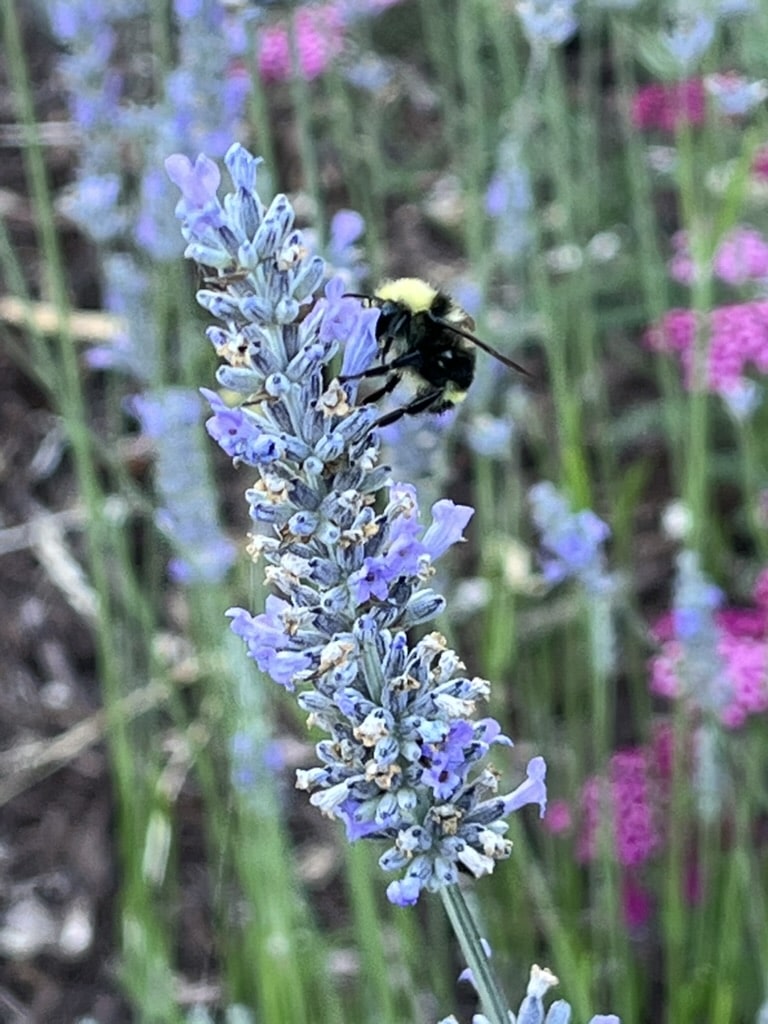
Researchers at Georgia Tech have found that the next-generation pesticide sulfoxaflor disrupts bumblebee reproduction and gene expression at low-dose exposure. The pesticide is a known toxin to bees, but Georgia Tech’s study revealed how even low-dose exposure affects bee reproduction at the molecular level. Scientists say these changes could contribute to reduced reproductive output and, over time, affect bee populations that are important for pollination.