Bee Research Raises Possibility of More U.S. Organic Honey
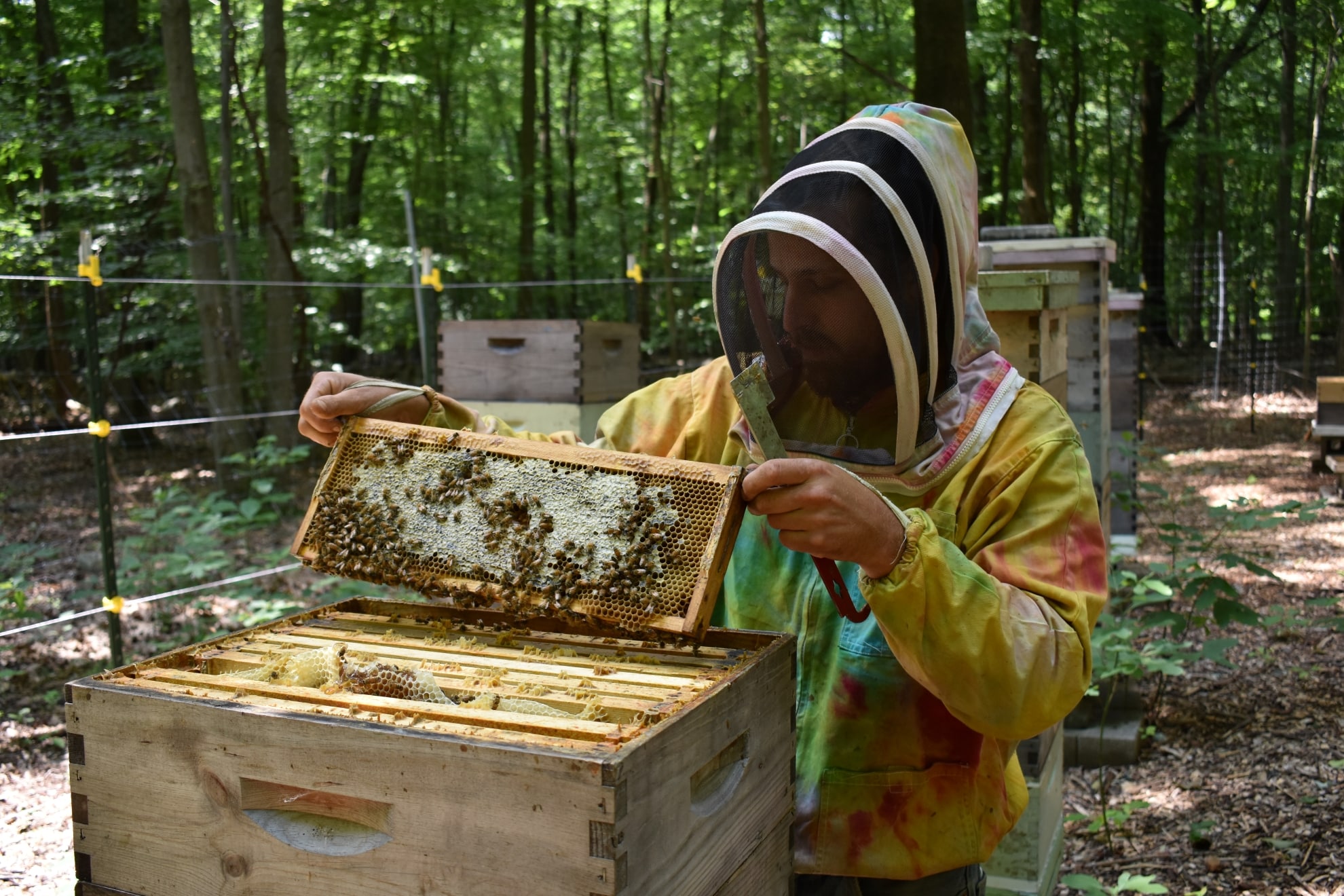
Current USDA organic certification guidelines require apiaries to have a 6.4 kilometer (close to 4 miles) buffer zone of organic-certified or natural land for bees to forage. Additionally, the Food and Drug Administration has maximum residue limits for pesticide contamination that U.S. honey must meet to be certified organic. The stringent forage zone requirement prevents most U.S. honey producers from qualifying for organic certification. New research from Cornell University found in a test of 72 colonies in the Northeast that applying organic colony management practices on farms where natural and semi-natural habitats dominated the surrounding landscape produced honey with pesticide contamination comparable to certified organic honey. In addition, the Cornell researchers found that bees foraged a median distance of only about 750 meters from the hive, indicating a possibility for revising the size of the foraging buffer required by the organic standards to reflect the actual behavior of bees.