University of Tennessee to Study Organic Establishment of Warm-Season Forage Grasses
Provided by:
Related Resources
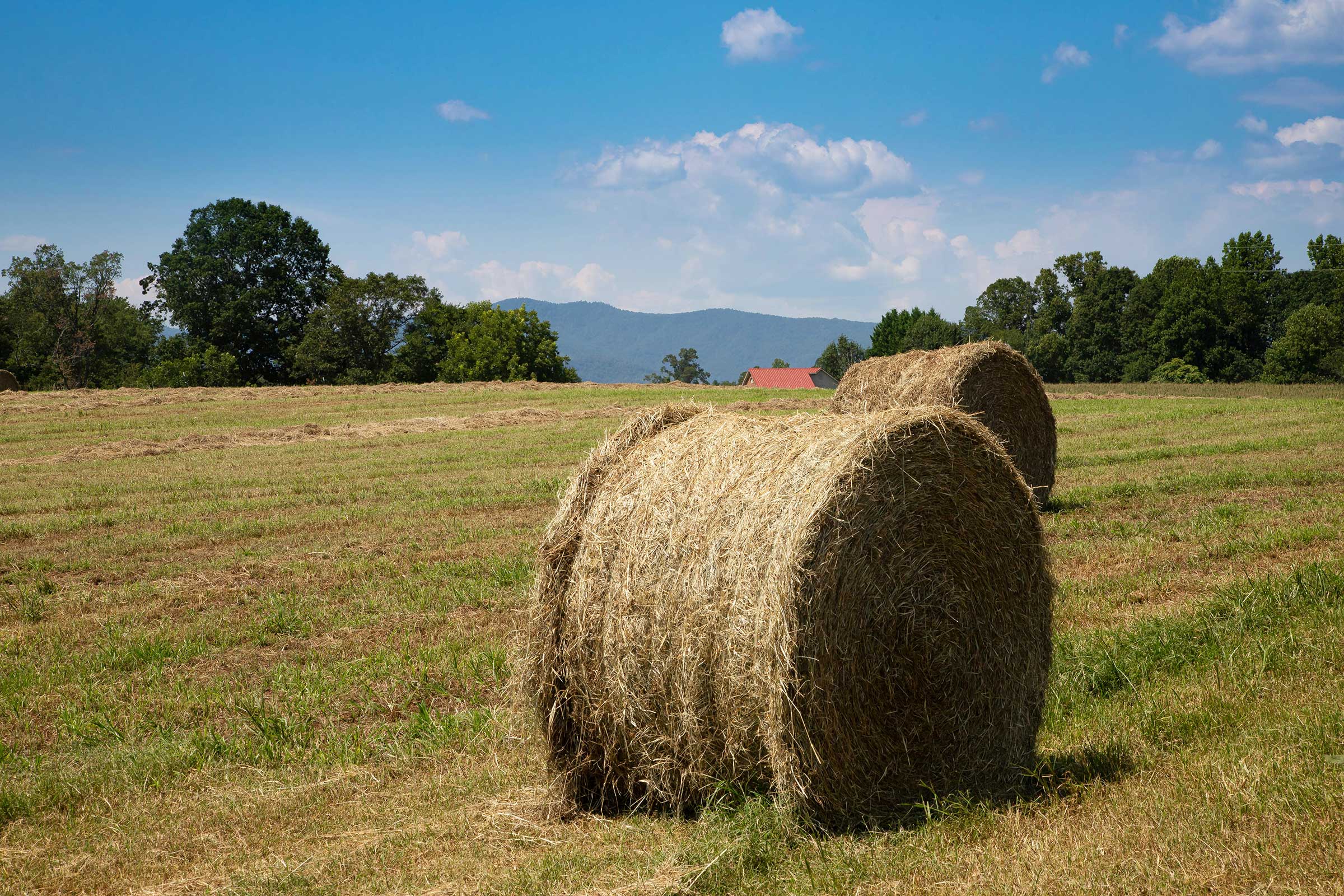
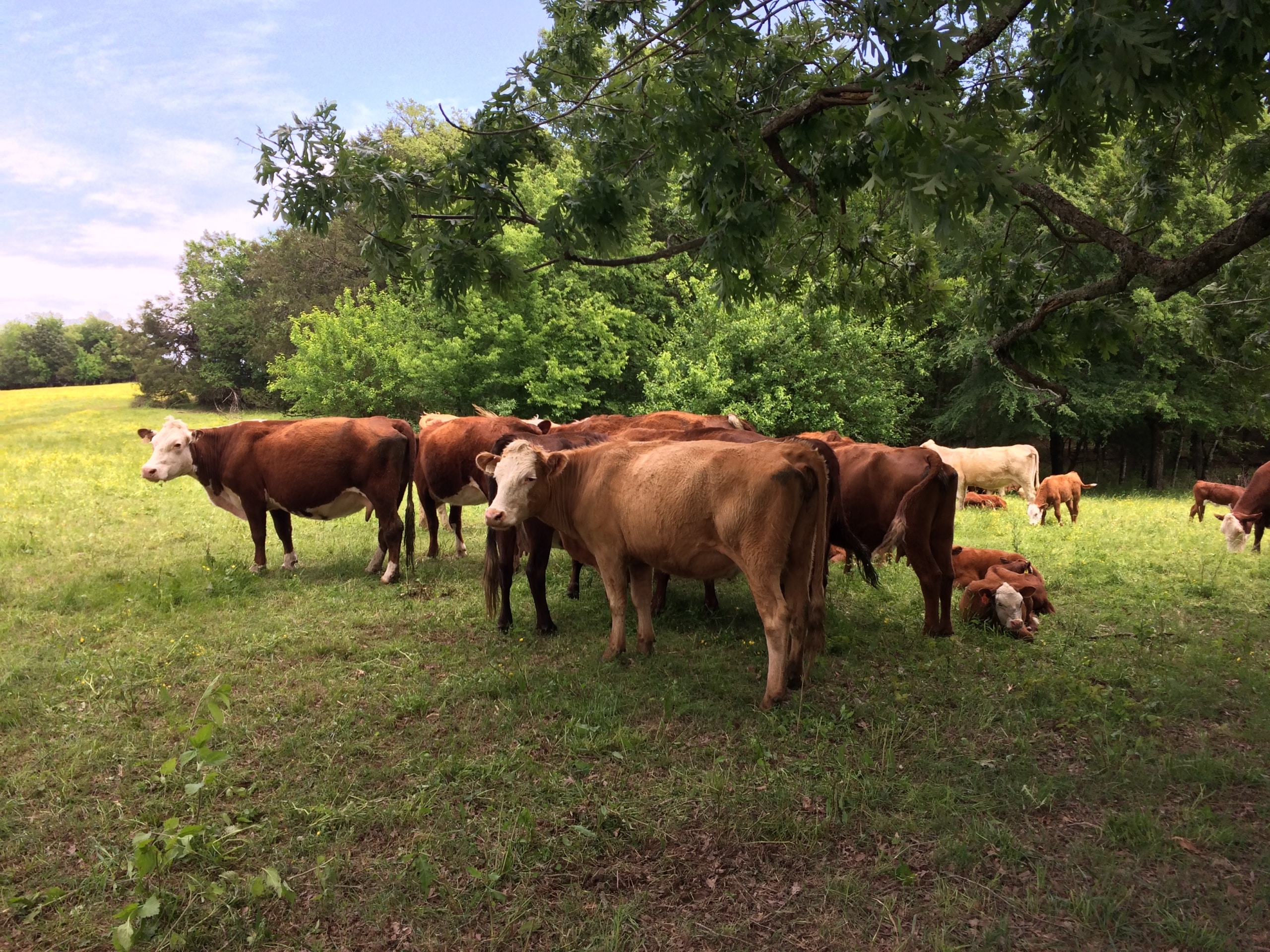
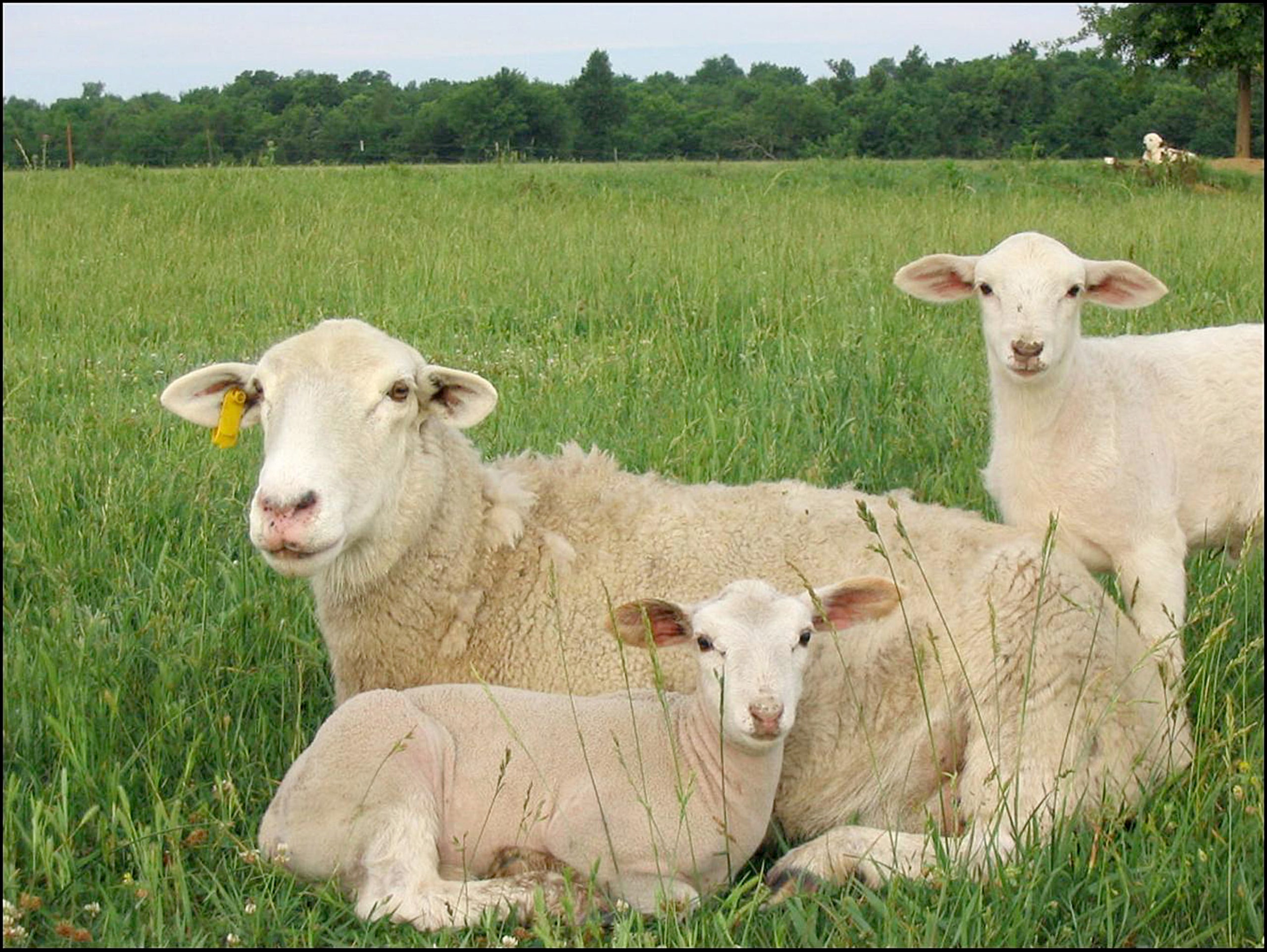
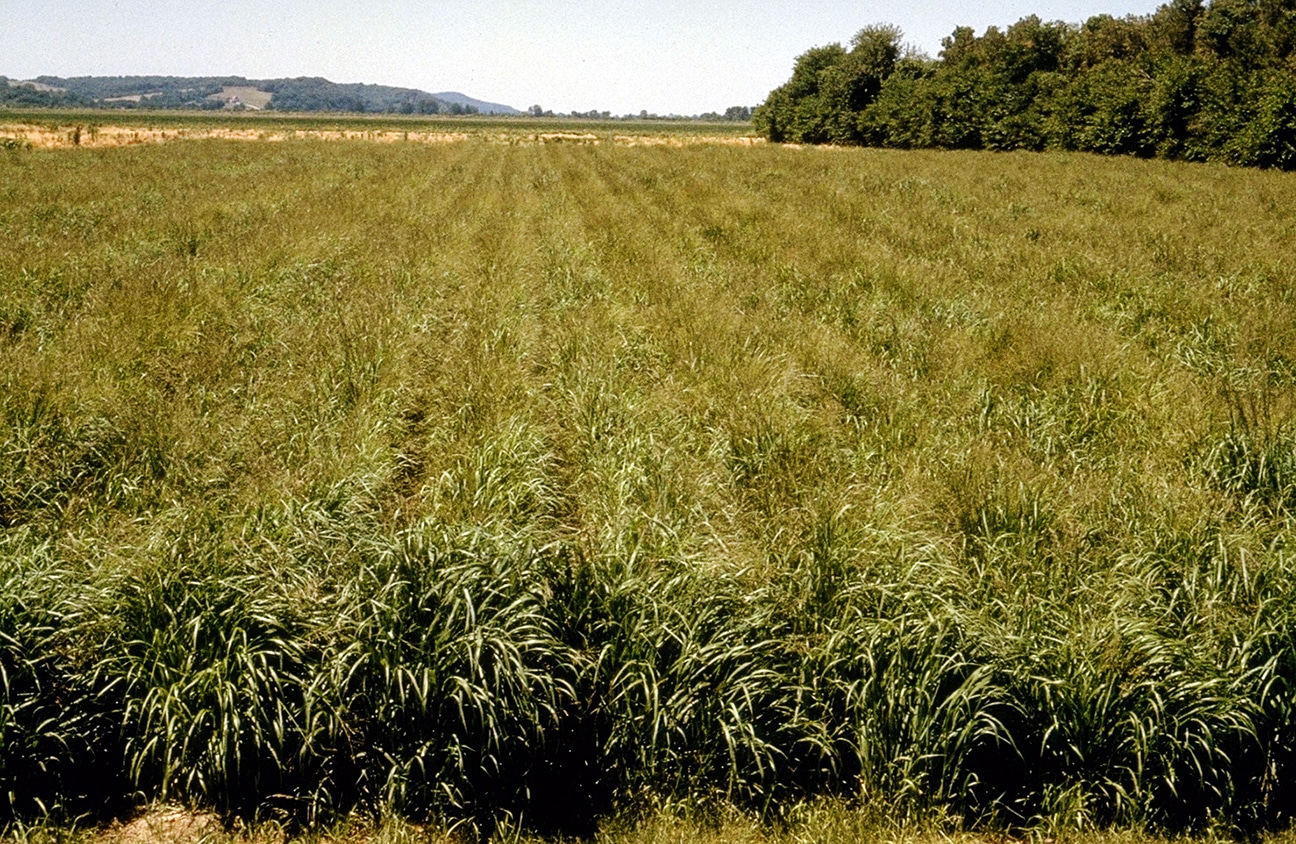
University of Tennessee Institute of Agriculture researchers received a $2 million grant from USDA through the Organic Agriculture Research and Extension Initiative Program to study the best practices for organically establishing native warm-season grasses in forage systems. Native warm-season grasses such as switchgrass, eastern gamagrass, big bluestem and little bluestem can help livestock producers extend the grazing season, but establishing these forages is challenging. The research project will identify best practices by studying forage yield and nutritive value, weed suppression, water and nutrient use, soil health, and economic performance of the grasses over four years. There will also be two on-farm demonstration trials on certified organic lands in Tennessee and Arkansas. The team will study three ways to establish the grasses: reduced tillage in the spring or fall followed by planting, legume interseeding, and prescribed burning.