Consejos para la comercialización de productos derivados de ovejas y cabras: animales vivos
Proporcionado por:
Escrito por


Recursos relacionados
Consejos para la comercialización de ovejas y...
Ovejas y cabras: Preguntas frecuentes...
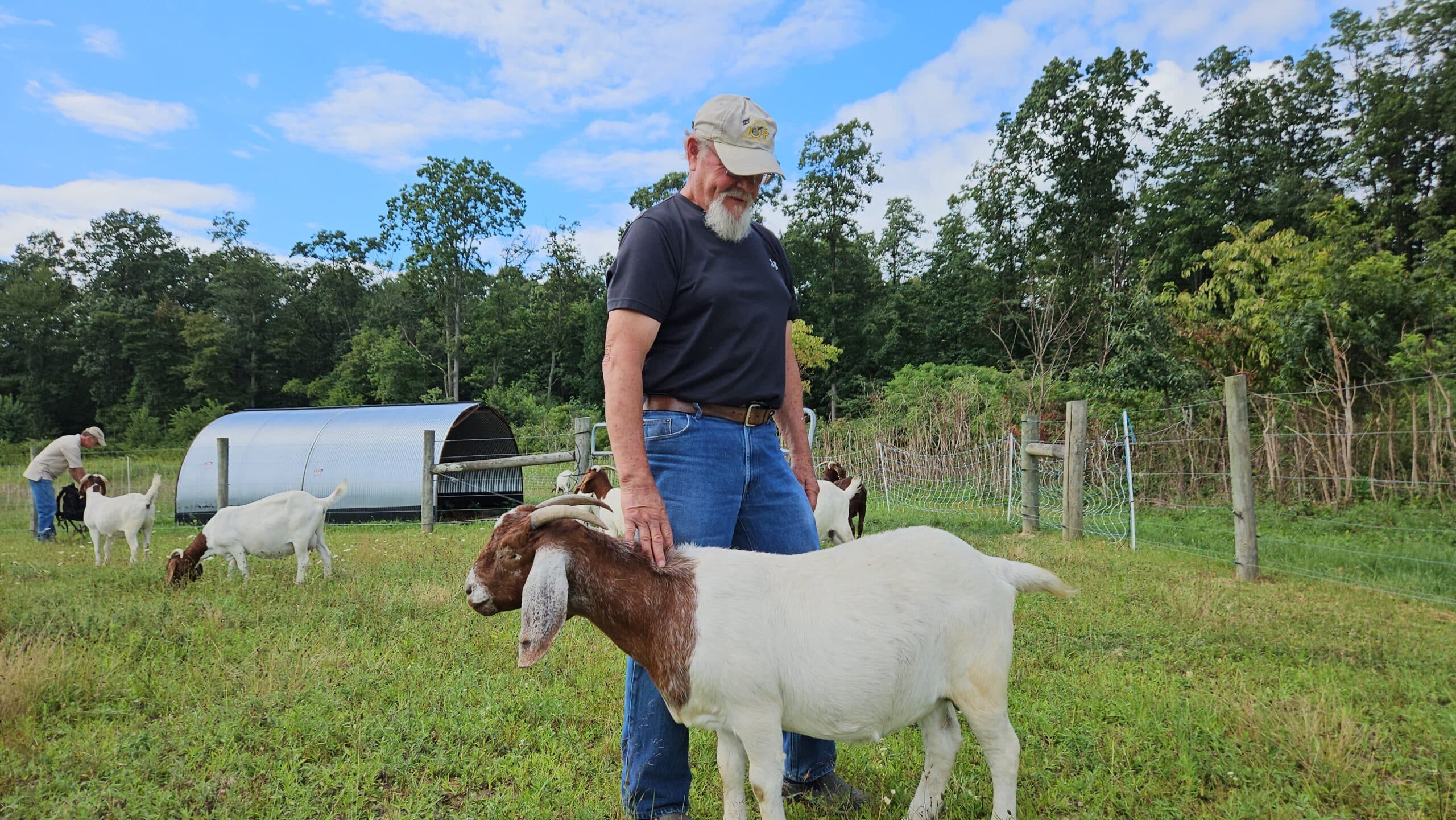
Cabras de carne: Producción sostenible...
Consejos para la comercialización de ovejas y...
Hoja informativa: Ganadería orgánica, Sh...
Consejos para la comercialización de ovejas y...
Producción lechera en pastoreo:...
Serie de hojas informativas de marketing de NCAT
Existen muchas opciones para la comercialización de ovejas y cabras. Deberás investigar qué opciones de mercado están disponibles en tu zona y decidir qué método de comercialización, o combinación de métodos, funcionará mejor para tu granja y tus objetivos. Esta hoja de consejos explicará algunas de las opciones de mercado más comunes, abordará las ventajas y consideraciones de cada una de ellas, y proporcionará recursos adicionales.
Opciones de mercado |
Ventajas |
Consideraciones |
| Mercado de ganado/Subasta de ganado | ||
| Este es el mercado tradicional de ganado. | Requiere muy poco esfuerzo: solo tienes que llevar a tus animales a la subasta y recibirás tu cheque la semana siguiente. Es una opción de comercialización si no quieres tratar directamente con los clientes. Un lugar para vender animales improductivos o que ya no quieres. | Nunca sabes qué precio recibirás por tus animales. Es posible que tus animales no alcancen el valor que tú crees que tienen. Te cobrarán diversos cargos: comisión, tarifa por espacio en el corral y tarifas de etiquetado. Esto reduce la cantidad de dinero que te llevas a casa. |
| Venta en la granja | ||
| Puedes vender animales directamente desde tu granja. Pueden ser animales destinados al consumo, a la cría o a exhibición. | Tú fijas el precio. No tienes que pagar comisiones ni los gastos de transporte de tus animales a la subasta. Si mantienes una calidad constante en tus animales, podrás crear una base de clientes habituales. | Puede llevar mucho tiempo. Tienes que coordinar horarios para que los compradores vengan a tu granja, y es posible que lleguen compradores sin que hayas acordado una cita. Es posible que solo vendas un animal a la vez. Si vendes animales de cría o de exhibición, debes vender únicamente animales de alta calidad para estos fines. Puede que te lleve algo de tiempo y esfuerzo de mercadotecnia posicionarte como un criador de calidad. |

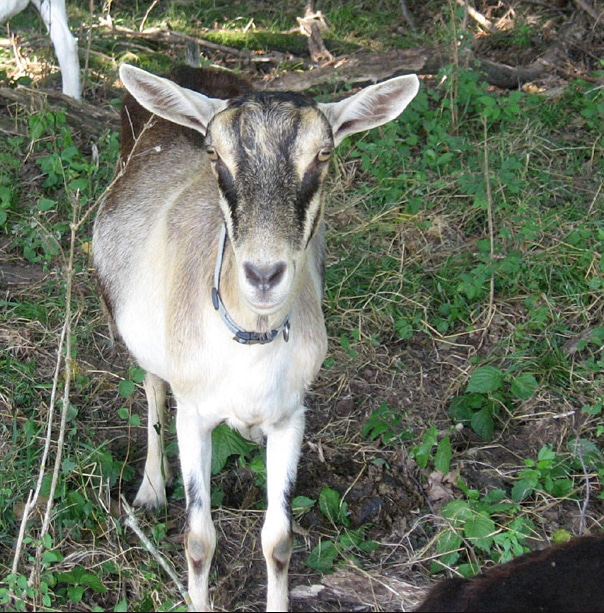
Foto: NCAT
Sacrificio en la granja
Es posible que tengas clientes interesados en sacrificar animales en tu granja, por lo general por motivos religiosos. Si permites el sacrificio en la granja, puede ser un gran servicio que les brindes a tus clientes. El sacrificio en la granja está contemplado en una exención de la Ley Federal de Inspección de Carnes. Los estados no pueden prohibir el sacrificio en la granja, pero las regulaciones estatales y locales pueden imponer requisitos adicionales. Debes consultar las regulaciones locales antes de permitir el sacrificio en la granja.
Opciones de mercado |
Ventajas |
Consideraciones |
| Venta conjunta | ||
| Una venta conjunta consiste en cooperar con otros productores para vender a un comprador un grupo muy grande de animales uniformes. | Por lo general, el precio se fija con anticipación, así que sabes cuánto recibirás por tus animales. Es una forma de vender un gran número de animales de una sola vez, con menos riesgo que en un mercado de subastas, ya que sabes de antemano el precio que recibirás. | Requiere la colaboración con otros productores y un comprador. Debes cumplir con los requisitos del comprador. Por lo general, el comprador establecerá un peso objetivo para el animal y la cantidad de animales que desea comprar. Es posible que tengas que pagar algunos gastos, como comisiones o transporte. Las ventas colectivas no están disponibles en todas las zonas. Puedes trabajar con tu grupo local de productores para organizar este tipo de venta. |
| Venta por categorías | ||
| Una venta por calificación es similar a una venta en grupo, ya que el comprador busca adquirir un lote grande de animales homogéneos. Habrá un evaluador del USDA presente para calificar a los animales. Los precios dependerán de la calidad (n.º 1, n.º 2, n.º 3) del animal. | El precio se fija de antemano, así que sabrás cuánto te pagarán por cada categoría. Te pagarán según la calidad. Los animales con mucha musculatura se pagarán más por libra. Es una forma de comercializar un grupo grande de animales de una sola vez, con menos riesgo que en un mercado de subastas, ya que sabes de antemano el precio que recibirás. | Es posible que tengas que pagar algunos cargos: comisión, cuotas de etiquetado, etc. Las ventas clasificadas no están disponibles en todas las zonas. Tendrás que colaborar con otros productores, un comprador y un clasificador del USDA para organizar este tipo de venta. |
Grados de selección del USDA
Los grados de selección del USDA se basan en la conformación de la carne de la cabra (es decir, en la densidad de su musculatura).
- Selección n.º 1: Las cabras deben tener un abultamiento pronunciado en la pata trasera exterior, una espalda llena y redondeada y una parte exterior del hombro moderadamente gruesa.
- Selección n.º 2: Las cabras tienen una conformación cárnica moderada.
- Selección n.º 3: Las cabras tienen una conformación inferior.
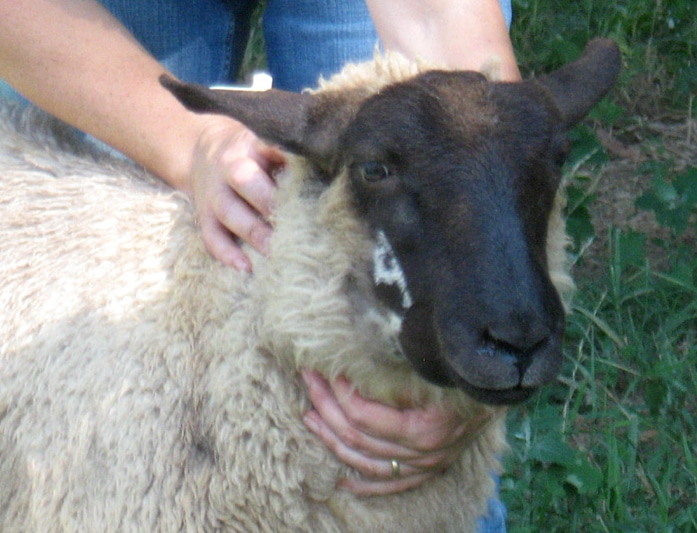
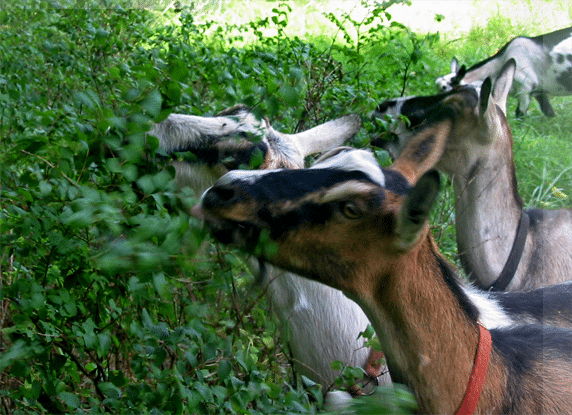
Foto: NCAT
Recursos
Página sobre pequeños rumiantes de Maryland — Comercialización
Universidad de Cornell — Comercialización de ovejas y cabras
Comercialización de cabras de carne: el sistema básico – Programa de Extensión Cooperativa de la Universidad Estatal de Kentucky
Consejos para la comercialización de ovejas y cabras: animales vivos
© 2012 Centro Nacional de Tecnología Apropiada (NCAT)
Por Margo Hale y Linda Coffey, NCAT
IP398
Esta publicación ha sido elaborada por el NCAT a través del programa de Agricultura Sostenible de ATTRA, en el marco de un acuerdo de cooperación con el Departamento de Desarrollo Rural del USDA. Esta publicación también ha sido posible, en parte, gracias al financiamiento del USDA/NIFA/OASDFR.