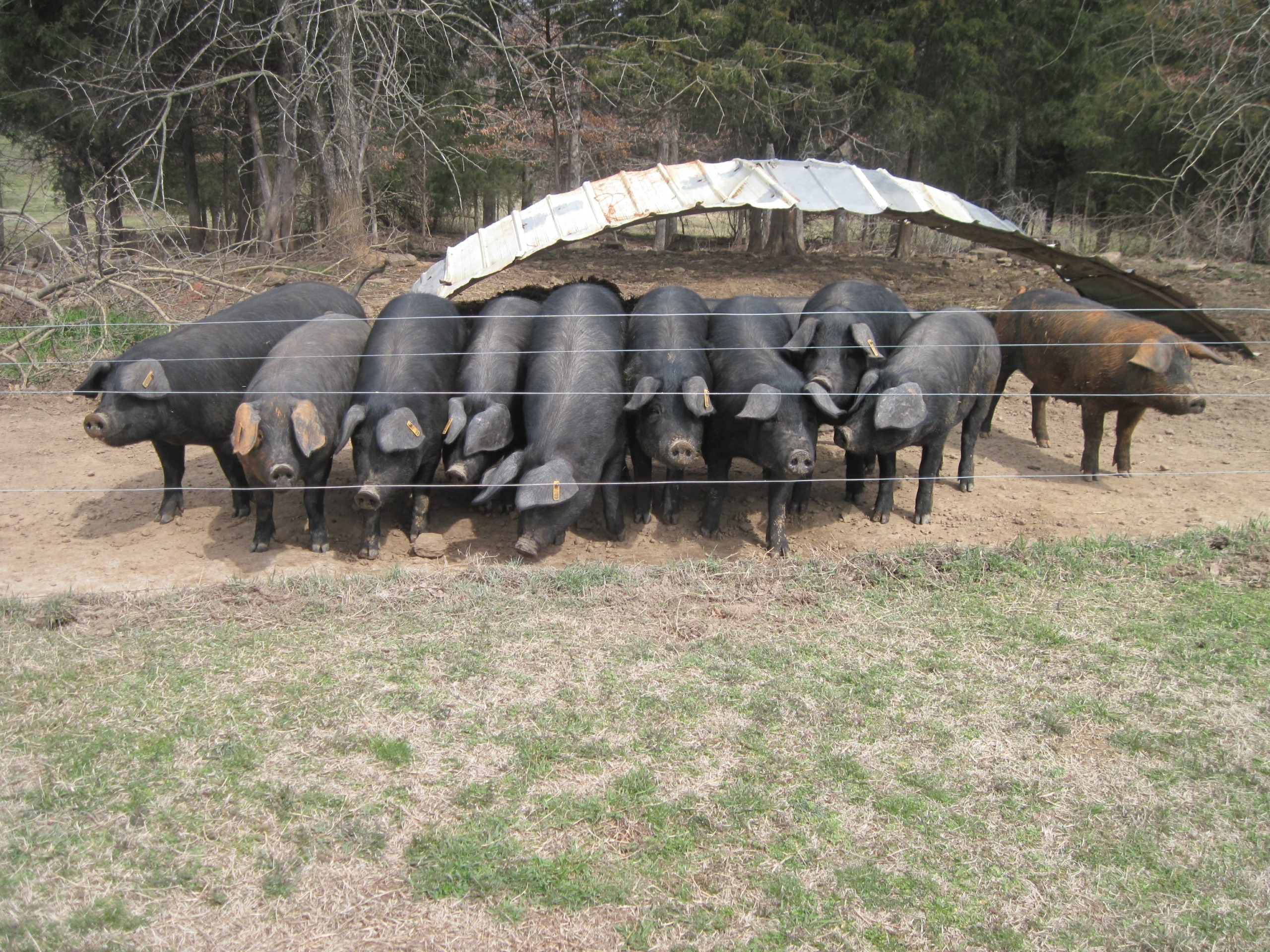
Hoja informativa: Producción porcina orgánica
Proporcionado por:
Escrito por
Recursos relacionados
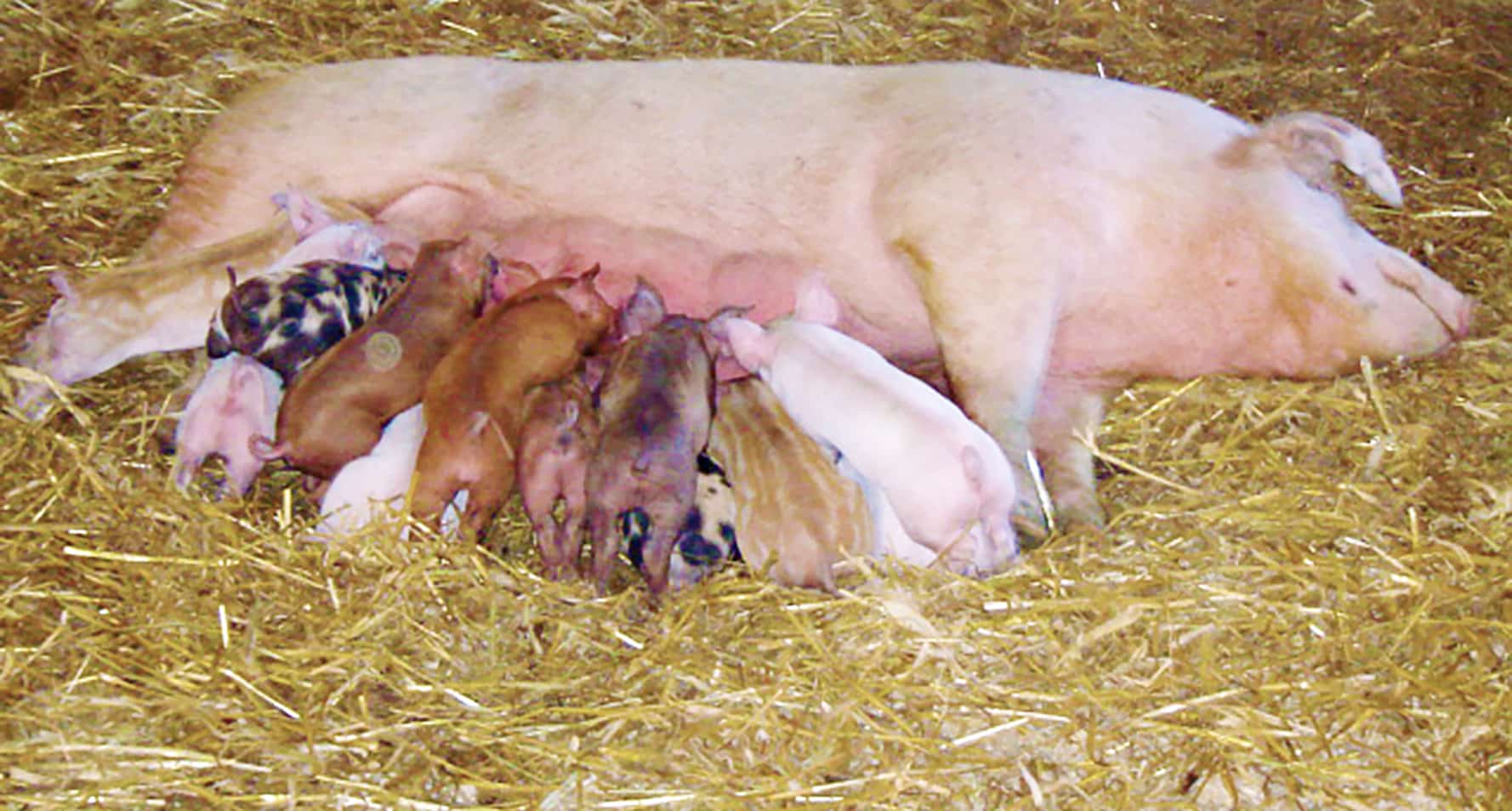
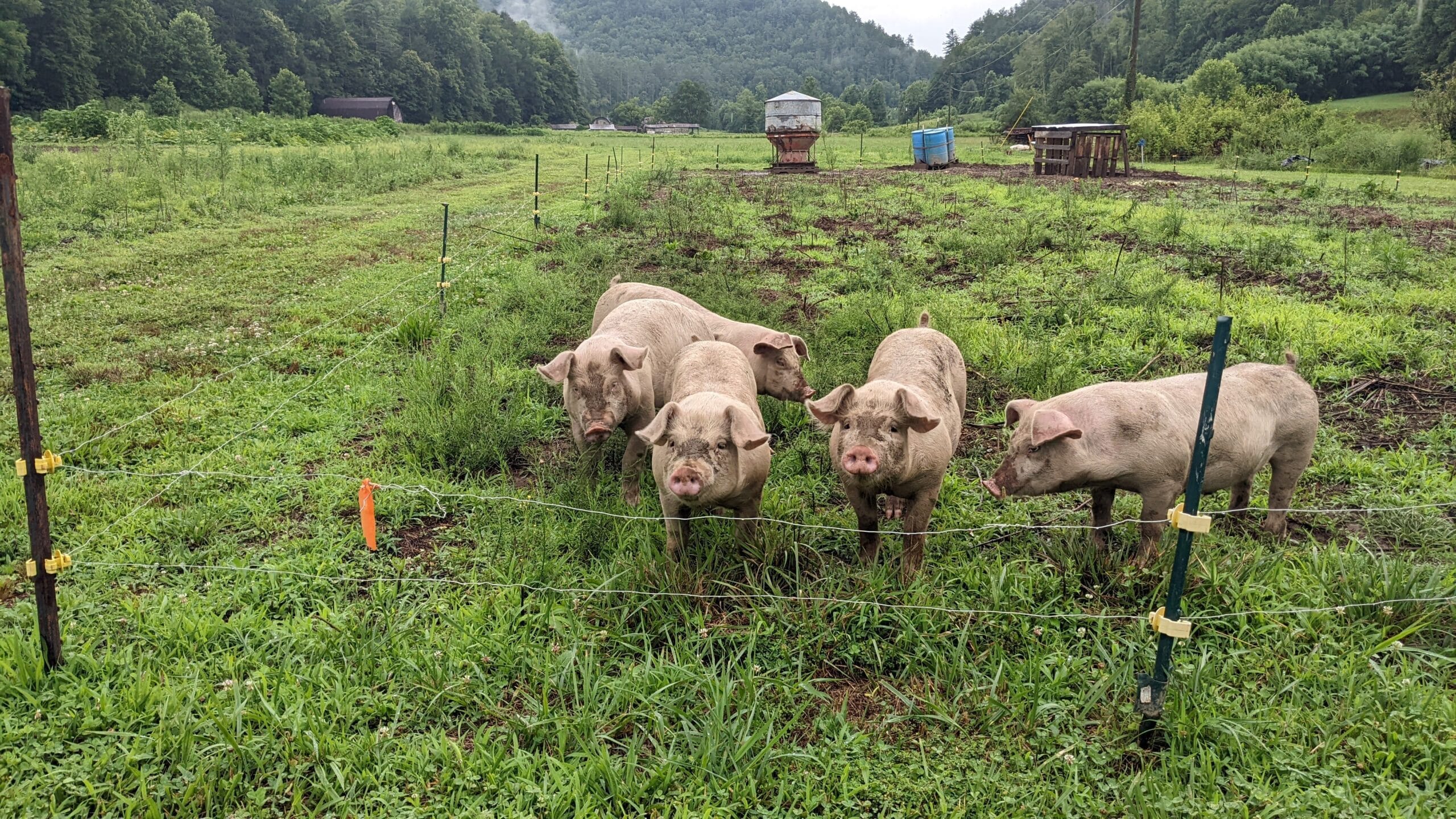
La producción porcina certificada como orgánica por el Departamento de Agricultura de los Estados Unidos (USDA) representa una parte relativamente pequeña de la agricultura estadounidense. Aunque la demanda de carne orgánica es elevada en los Estados Unidos, los altos precios de los granos orgánicos y los retos que implica la cría de cerdos de acuerdo con las normas orgánicas del USDA han frenado el crecimiento de la producción de carne de cerdo orgánica. Dicho esto, la carne de cerdo orgánica es un producto que puede alcanzar precios más altos, por lo que la producción porcina orgánica puede ser una opción viable para algunas granjas.
Consideraciones
- ¿Tus clientes exigen certificación orgánica?
- ¿Tienes acceso a ganado con certificación orgánica o piensas criar el tuyo propio?
- ¿Tienes alguna fuente de alimento orgánico?
- ¿Hay alguna empresa de procesamiento de productos orgánicos en tu zona?
- ¿Se pueden criar cerdos respetando las normas orgánicas en cuanto al acceso al aire libre y la atención médica?
- ¿Es suficiente la prima que recibirás por la carne de cerdo orgánica para cubrir los mayores costos de insumos y procesamiento?
Origen de los animales
- Los cerdos deben criarse de acuerdo con las normas orgánicas a partir de, por lo menos, 38 días antes del nacimiento. En otras palabras, los únicos cerdos que pueden venderse como orgánicos son aquellos nacidos de una cerda o una cerda joven que haya sido criada de manera orgánica desde el último tercio de la gestación.
- Una cerda reproductora o una cerda joven comprada en una granja convencional puede dar a luz a lechones orgánicos si se le cría de manera orgánica durante el último tercio de la gestación; sin embargo, la cerda reproductora o la cerda joven en sí nunca reunirá los requisitos para ser considerada ganado de sacrificio con certificación orgánica del USDA.
Feed
- Los cerdos orgánicos deben alimentarse con una dieta orgánica. Las dietas de los cerdos orgánicos consisten principalmente en granos orgánicos y fuentes de proteína.
- Algunas granjas porcinas orgánicas consideran que es más rentable cultivar sus propios granos que comprarlos en el mercado libre.
- Las vitaminas y minerales sintéticos pueden incluirse en la ración orgánica. Algunas premezclas y suplementos contienen sustancias prohibidas y, por lo tanto, no están permitidos. Antes de utilizar un producto en las dietas orgánicas para cerdos, es esencial confirmar que el producto no contenga ninguna sustancia prohibida.
- Está prohibido alimentar a los animales con subproductos del sacrificio de mamíferos y aves de corral —sebo, grasa, harina de carne y huesos, harina de plumas y plasma secado por atomización—. Tampoco se permite alimentar a los animales con aminoácidos cristalinos, tales como L-lisina, DL-metionina, L-treonina y L-triptófano. Del mismo modo, está prohibido alimentar a los animales con fitasa exógena, antibióticos subterapéuticos u hormonas.
- Sin embargo, se permiten los huevos orgánicos, los productos lácteos orgánicos y la harina de pescado comercial.
Atención médica
- En la producción porcina orgánica se permiten y se promueven las vacunas no transgénicas.
- Está permitido administrar hierro suplementario mediante inyección a los lechones recién nacidos para prevenir la anemia.
- El uso de aditivos alimentarios, como los ácidos orgánicos, los probióticos y los microorganismos que se administran directamente en el alimento, para mejorar la salud de los animales no está prohibido; sin embargo, no todos los aditivos alimentarios que promueven la salud están aprobados para su uso en la producción orgánica.
- La inseminación artificial está permitida, pero en la producción orgánica está prohibido administrar hormonas para sincronizar el estro o estimular el crecimiento.
- Los antiparasitarios autorizados también pueden utilizarse cuando las medidas preventivas han resultado ineficaces. El uso de antiparasitarios se limita a los animales reproductores, y deben administrarse antes del último tercio de la gestación.
- Es necesario tratar con antiparasitarios a las cerdas lactantes o a los animales destinados al mercado si es médicamente necesario; sin embargo, en ese caso, la cerda, sus lechones lactantes y los animales destinados al mercado perderían su certificación orgánica.
- Se permite la realización de intervenciones físicas en el ganado para promover su bienestar, pero deben llevarse a cabo de manera que se minimicen el dolor y el estrés.
- El ganado orgánico debe identificarse, y el uso de muescas en las orejas, marcas de oreja y tatuajes son métodos actualmente autorizados para marcar individualmente a los animales reproductores y a los posibles reemplazos.
Condiciones de vida
- Los cerdos orgánicos deben tener acceso al aire libre, a la sombra, a refugios, a áreas para hacer ejercicio, al aire fresco, al agua potable limpia y a la luz solar directa, según corresponda a la etapa de
vida del animal, al clima y al entorno. - Los cerdos deben tener acceso al aire libre, pero las normas orgánicas no exigen que se críen en pasturas.
- Los cerdos orgánicos deben tener acceso a un lecho limpio y seco. Si el lecho está compuesto por residuos de cultivos, estos deben provenir de cultivos orgánicos. Otros materiales para el lecho, como papel de periódico triturado, astillas de madera, virutas de madera, aserrín y arena, están permitidos en los sistemas orgánicos y no es necesario que cuenten con certificación orgánica.
- Las normas orgánicas no especifican exactamente cuánto espacio vital se considera adecuado. Sin embargo, la mayoría de las empresas que compran cerdos orgánicos y muchos minoristas que comercializan carne de cerdo orgánica
han adoptado requisitos de espacio más específicos.
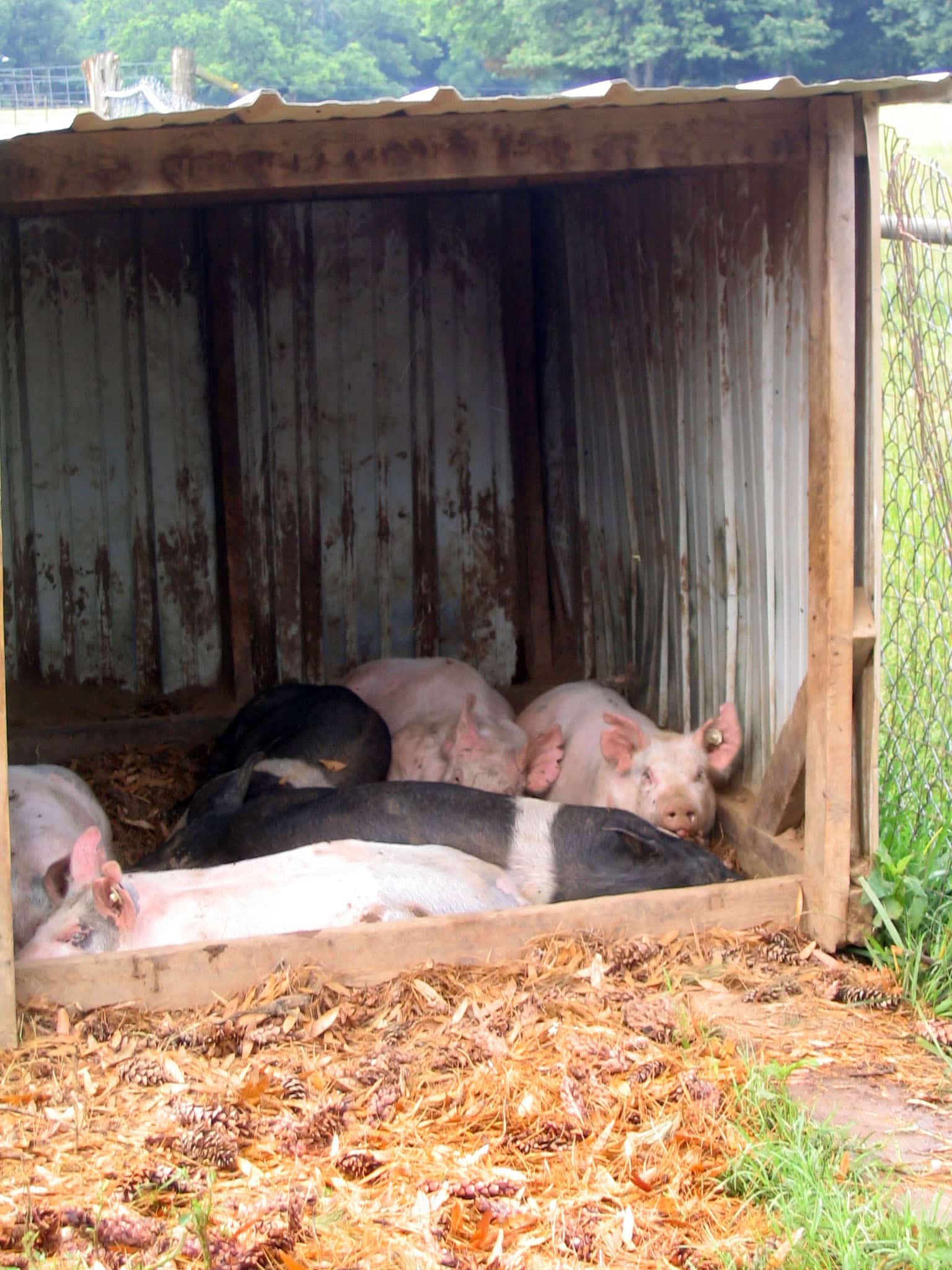
Foto: Luci Shepherd, NCAT
Las normas orgánicas del USDA no abordan directamente las jaulas de parto ni los corrales de gestación, pero se exige que el ganado orgánico tenga acceso al aire libre, a la luz solar e
directa y a la oportunidad de hacer ejercicio. Cualquier práctica de producción que restrinja el acceso a las condiciones de vida requeridas debe discutirse con el certificador con
antelación y deberá aplicarse por un período muy limitado.
Algunos mercados pueden tener requisitos adicionales con respecto a las jaulas o los corrales.
Procesamiento
Si quieres vender carne de cerdo como orgánica, debe procesarse en una planta de procesamiento con certificación orgánica.
Existen diferentes niveles de procesamiento, y el acceso a ellos influirá en la forma en que puedas comercializar tus animales.
- Plantas inspeccionadas por el gobierno federal o por el USDA: las plantas federales pueden procesar carne para su venta en todo el país.
- Plantas inspeccionadas por el estado: solo alrededor de la mitad de los estados cuentan con un programa de inspección estatal. Las plantas inspeccionadas por el estado pueden procesar cualquier tipo de carne, pero esta se marca para su venta únicamente dentro de ese estado.
- Plantas de procesamiento a medida: una planta de procesamiento a medida elabora productos para uso personal. La carne debe llevar el sello «no para la venta».
- Unidad móvil de procesamiento: instalación montada en un camión o remolque que se transporta hasta el lugar de procesamiento. Algunas están sujetas a inspecciones estatales o federales.
- Sacrificio en la granja (exento de inspección): el propietario procesa los animales para su consumo personal (las normas varían según el estado).
Aquí se explican con más detalle las normas relativas al procesamiento de la carne.
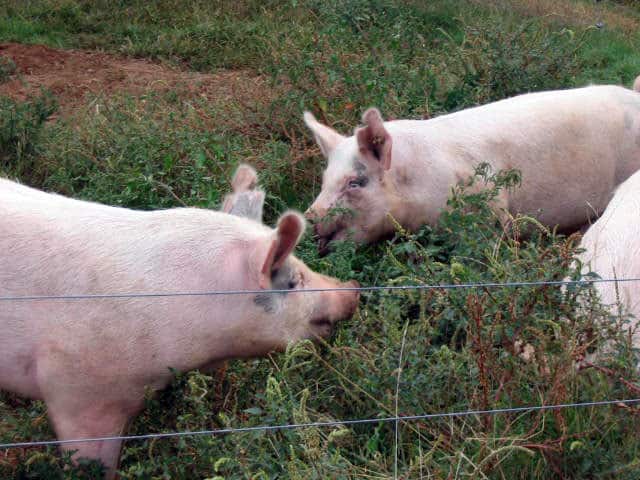
Foto: Linda Coffey, NCAT
Recursos adicionales
Cría de cerdos orgánicos: Guía sobre los requisitos de certificación orgánica del USDA, ATTRA
Recursos sobre agricultura orgánica de ATTRA
Reglamento orgánico del USDA, 7 CFR 205:
Manual del Programa Nacional Orgánico del USDA
Lista nacional del USDA de sustancias permitidas y prohibidas
Hoja informativa: Producción porcina orgánica
Por Margo Hale y Linda Coffey, especialistas en agricultura del NCAT
Publicado en julio de 2015
IP510
Esta publicación ha sido elaborada por el Centro Nacional de Tecnología Apropiada a través del programa de Agricultura Sostenible de ATTRA, en el marco de un acuerdo de cooperación con el Departamento de Desarrollo Rural del Departamento de Agricultura de los Estados Unidos (USDA). Esta publicación también ha sido posible, en parte, gracias al apoyo del Servicio de Comercialización Agrícola y del Programa Nacional Orgánico del Departamento de Agricultura de los Estados Unidos.