El costo de las supermalezas en los cultivos de campo
Proporcionado por:
Escrito por

Recursos relacionados
Introducción
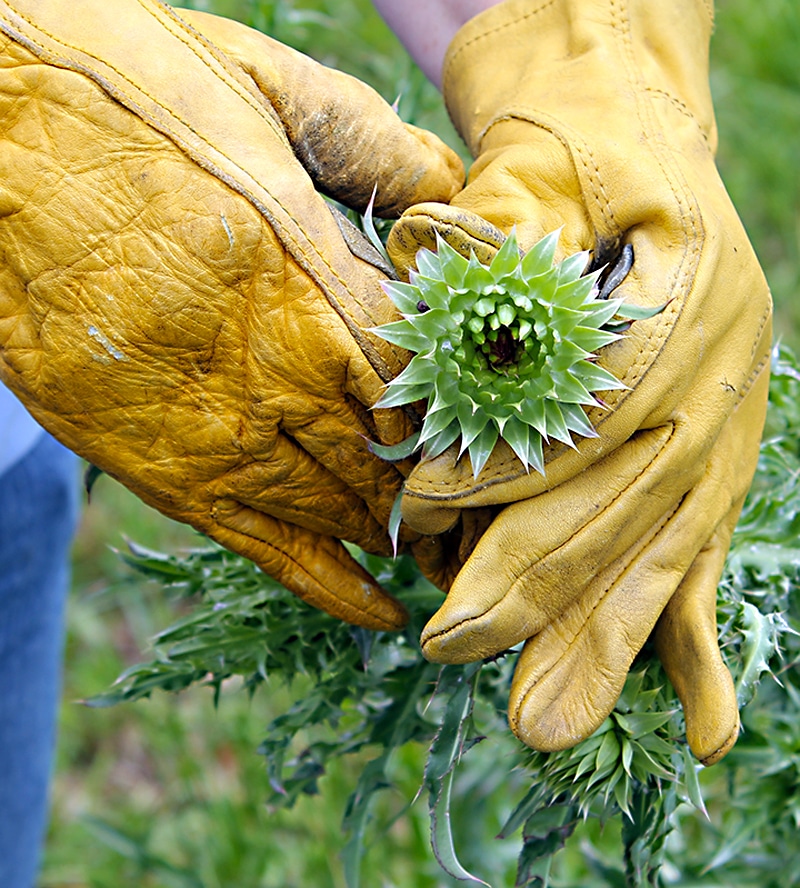
Si bien lo que para una persona es una maleza puede ser para otra una flor silvestre o una planta que atrae a los polinizadores, para muchos agricultores la palabra «maleza» significa la planta equivocada en el lugar equivocado y en el momento equivocado, sin importar su clasificación técnica. Durante milenios, desde los primeros cultivos hasta la actualidad, las malezas se han identificado como plantas capaces de robar agua y nutrientes, albergar plagas y enfermedades, y reducir tanto el rendimiento como la calidad del cultivo que se está produciendo.
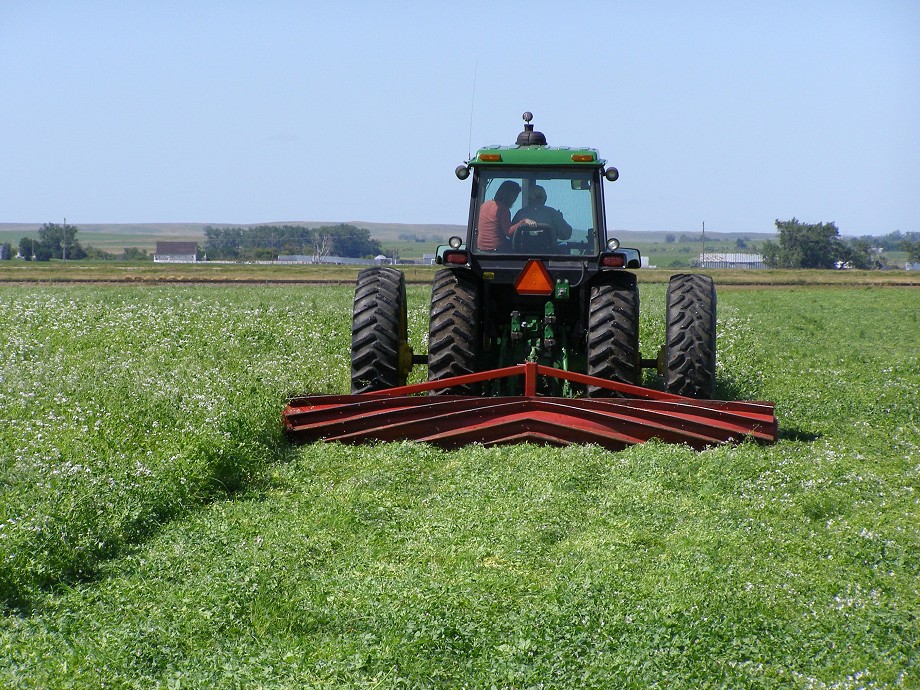
En ningún otro ámbito se observa esto con mayor claridad que en los cultivos de campo, donde se cultivan variedades uniformes de trigo y otros cereales de grano pequeño, maíz, soya, algodón, semillas oleaginosas, legumbres y otros cultivos importantes en grandes extensiones de tierra, y donde los productores consideran a cualquier otra especie vegetal como una amenaza directa para el cultivo hasta que se demuestre lo contrario, por las razones expuestas anteriormente.
Si bien las malezas siempre han estado presentes y se han adaptado a los cambios en los métodos de control a lo largo de los siglos, las malezas más destructivas y agresivas que existen hoy en día en los Estados Unidos se han convertido en un problema debido a su resistencia biológica a los herbicidas.
¿Qué tan grave es el problema?
Muchas organizaciones están monitoreando la propagación de las malezas resistentes a los herbicidas. Hay muchas formas de interpretar el concepto de «malezas resistentes únicas», pero en diversos lugares las estimaciones son elevadas. La Universidad de Cornell afirma que hay 131 casos exclusivos de Estados Unidos.
WeedScience.org es el sitio web de la Encuesta Internacional sobre Malezas Resistentes a los Herbicidas, un proyecto colaborativo global que rastrea y documenta casos de malezas que han desarrollado resistencia a los herbicidas. La base de datos se actualiza constantemente y, al momento de escribir este artículo, cuenta con 138 malezas resistentes exclusivas de los Estados Unidos.
El Centro de Manejo Integrado de Plagas del Noreste estima cifras aún más elevadas: «Solo en Estados Unidos se han confirmado más de 160 poblaciones de malezas resistentes a los herbicidas. En el noreste, especialmente en el estado de Nueva York, la resistencia a los herbicidas entre las poblaciones de malezas se está convirtiendo en un problema grave y cada vez mayor».
Actualmente, muchos sistemas de producción utilizan una combinación de enfoques para el control de malezas, incluyendo prácticas de manejo cultural, biológico y mecánico dentro de un programa de Manejo Integrado de Malezas (IWM). Una próxima publicación de ATTRA analizará estas prácticas con mayor detalle, examinando los principios del manejo sostenible de malezas en todo tipo de sistemas de producción.
Malezas principales
Muchas malezas, como el cardo canadiense, el bledo común, el trigo sarraceno silvestre, la mostaza silvestre, la enredadera de campo y pastos como la avena silvestre y el pasto Johnson, muestran resistencia a determinados grupos de sustancias químicas. Si bien las malezas que se describen a continuación suelen figurar entre las cinco primeras de la mayoría de las listas, esta lista no es exhaustiva, y hay muchas más malezas que presentan distintos niveles de resistencia a los herbicidas.
La mayoría de las malezas que actualmente predominan y causan daños en todo Estados Unidos se han convertido en un problema debido a su resistencia a los productos químicos, no por los intentos de control mediante métodos agrotécnicos, biológicos o mecánicos. El problema se está agravando, en parte debido a los sistemas de monocultivo, pero también a los OGM y al uso excesivo de herbicidas no selectivos como el glifosato y el diquat. Entre las «supermalezas» (aquellas que ahora son resistentes a múltiples clases de productos químicos) se incluyen:
Amaranto de Palmer (soya, maíz, algodón, maní). Esta maleza prospera en todo el sur de EE. UU. y las Grandes Llanuras, y se está extendiendo rápidamente hacia el Medio Oeste. Se caracteriza por su ritmo de crecimiento extremo y su prolífica producción de semillas. https://blogs.cornell.edu/weedid/field-crop-weeds/
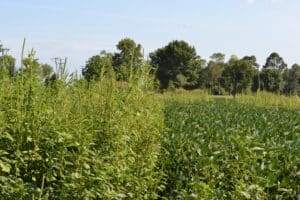
Amaranto de Palmer en un campo de soya. Foto cortesía de United Soybean Board.
Cáñamo acuático común (maíz, soya). Predomina en el Medio Oeste (especialmente en Iowa, Illinois e Indiana). Es conocido por su capacidad para brotar a finales de la temporada y superar rápidamente en altura a los cultivos. https://growiwm.org/farmers-crown-waterhemp-worst-weed-at-commodity-classic/
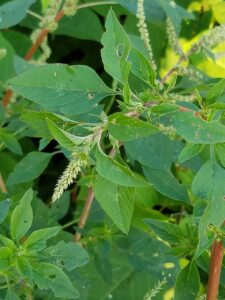
Amaranto acuático: Amaranthus tuberculatus.
Kochia (trigo, chicharos de campo, maíz, soya). Prevalente en las Grandes Llanuras del Norte y el oeste de EE. UU. (Montana, Wyoming, las Dakotas y el estado de Washington). Es una especie de planta rodadora de brote temprano bien adaptada a los ambientes semiáridos. https://smallgrains.wsu.edu/weeders-of-the-west/2023/03/30/tumbleweeds-tumbling-in-the-columbia-basin/
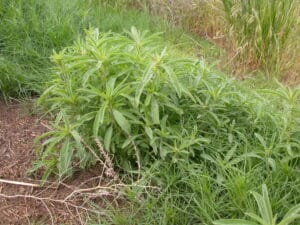
Kochia: Bassia scoparia. Crédito de la foto: Matt Lavin.
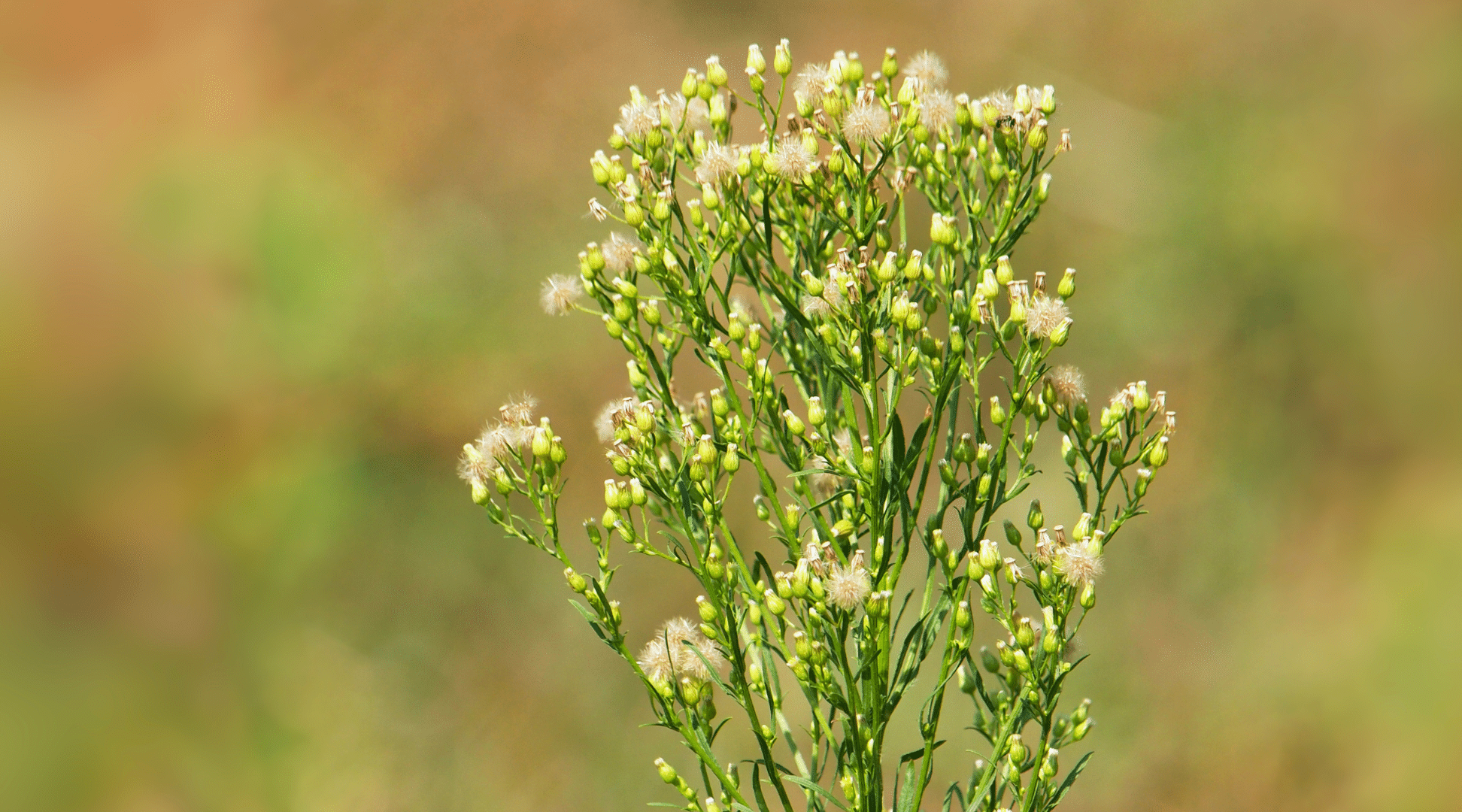
Hierba de caballo / Marestail (soya, maíz, cereales de invierno, huertos de frutas y nueces). Común en sistemas de siembra directa y prevalente en la región del Atlántico Medio, el noreste y el este del Cinturón del Maíz. https://blogs.cornell.edu/weedid/field-crop-weeds/
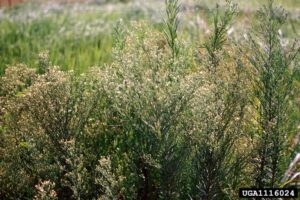
Hierba de caballo/cola de yegua: Erigeron canadensis. Crédito de la foto: Charles T. Bryson, Servicio de Investigación Agrícola del USDA, Bugwood.org
Ambrosía común/gigante (maíz, soya, cereales de grano pequeño). Se encuentra principalmente en el Medio Oeste, el Sur y el Este de EE. UU., y prospera especialmente en suelos ricos dentro de los sistemas de rotación de maíz y soya. https://www.uaex.uada.edu/yard-garden/resource-library/plant-week/common-ragweed.aspx
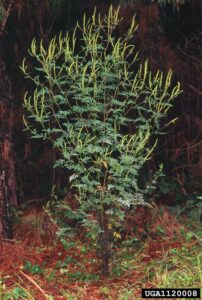
Ambrosía. Crédito de la foto: James H. Miller y Ted Bodner, Southern Weed Science Society, Bugwood.org
El costo económico de las malezas
Las malezas son un problema costoso. Según un artículo de la Universidad Estatal de Colorado, «las malezas difíciles le cuestan a la industria agrícola de EE. UU. 33 mil millones de dólares anuales en pérdidas. El amaranto de Palmer, de rápido crecimiento y resistente a los herbicidas químicos, es un ejemplo clave de este problema. Se ha demostrado que reduce el rendimiento de los cultivos hasta en un 91 % en el maíz y en un 79 % en la soya».
Existen muchos intereses en mantener altos niveles de producción de maíz y soya, por razones obvias. Estos cultivos tienen múltiples mercados para el consumo humano, la producción de etanol, la producción de otros biocombustibles, la alimentación del ganado y mercados de exportación de gran relevancia. Los seguros federales y los generosos subsidios federales en las pólizas clave de seguro de cultivos ayudan a mantener esta superficie de producción (y también la de muchos otros cultivos de campo) a lo largo de años de sequía, inundaciones, granizo y otros fenómenos climáticos. Las pólizas disponibles protegen al agricultor contra el aumento de los costos de los insumos, las pérdidas de cosechas, la protección del rendimiento o los ingresos, y la protección de la calidad (como en el caso de la póliza de cobertura adicional para cebada cervecera).
Sin embargo, no debemos dar por sentado que, incluso con este nivel de apoyo, el seguro de cosechas garantice una red de seguridad. Dado que los rendimientos promedio de muchos condados han bajado tanto en la actualidad, principalmente debido a las sequías prolongadas, algunos cultivos no alcanzan el umbral necesario para recibir pagos del seguro, incluso con rendimientos bajos.
El control de malezas sigue siendo una de las principales prioridades para prevenir la pérdida de rendimiento y los problemas de control de calidad en la producción agrícola, lo que contribuirá a crear sistemas más sostenibles que no dependan tanto de mecanismos de apoyo como los seguros agrícolas.
Posibles soluciones
Un enfoque para el manejo de malezas que están adoptando algunos productores consiste en utilizar herbicidas químicos, pero de manera más precisa. La tecnología de aplicación precisa de herbicidas sigue desarrollándose para atacar las malezas mediante drones o como sistemas de aplicación dirigida a través de la pulverización convencional, tales como «See and Spray» (John Deere), «One Smart Spray» (BASF/Bosch), Green Eye Technology y el sistema Weed-It. Todos están diseñados para tratar de reducir la resistencia de las malezas a los herbicidas (y reducir el uso general de herbicidas) al aplicar la dosis correcta de producto químico únicamente a la planta adecuada.
Una opción adicional para prevenir las malezas resistentes a los herbicidas, dirigida a los productores convencionales, consiste en implementar rotaciones de cultivos más complejas siempre que sea posible, lo que permite utilizar una gama más diversa de productos químicos para el control de malezas. Pero la pregunta sigue siendo: ¿cómo controlamos químicamente las malezas que ya son biológicamente resistentes en este momento?
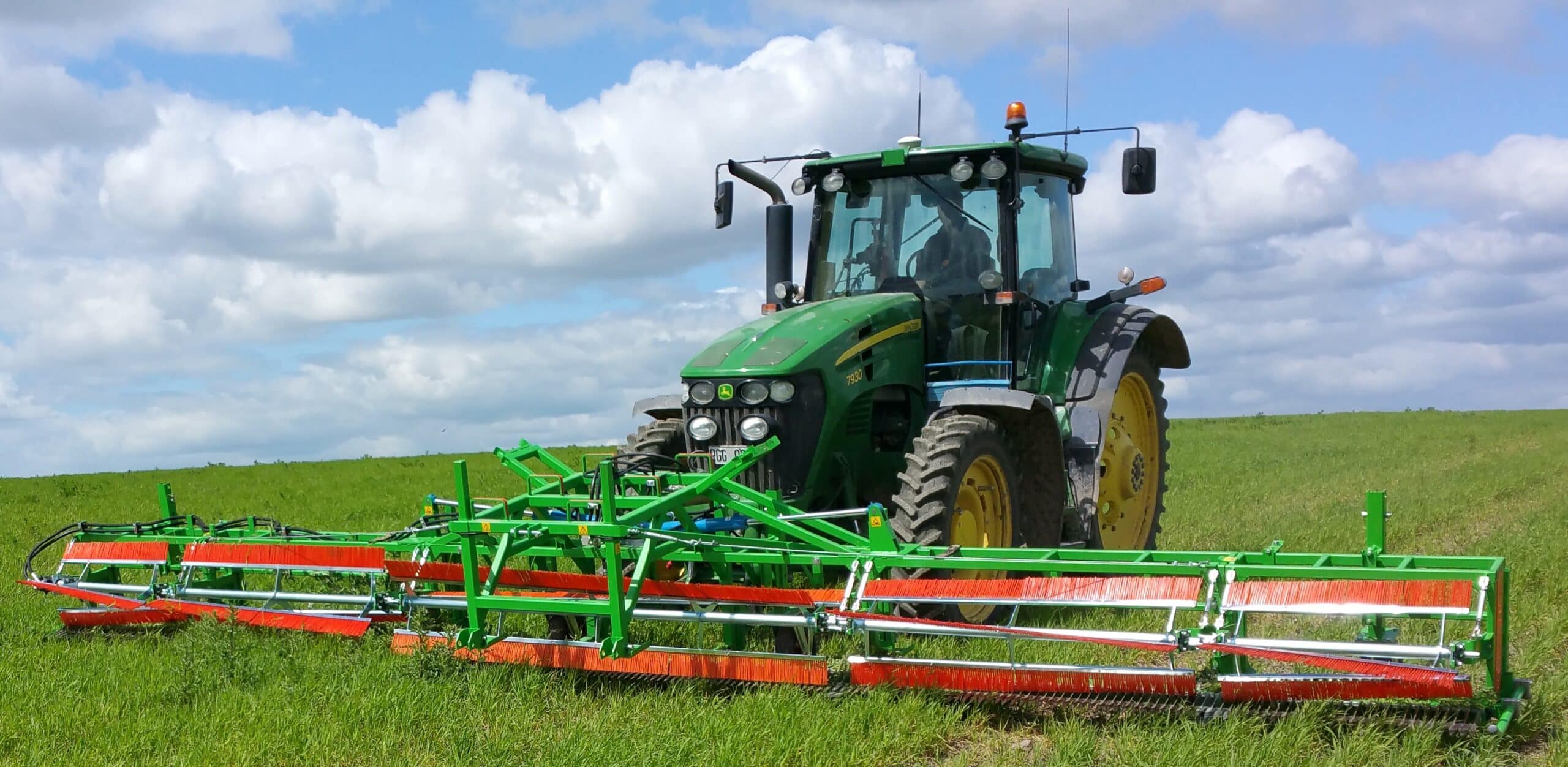
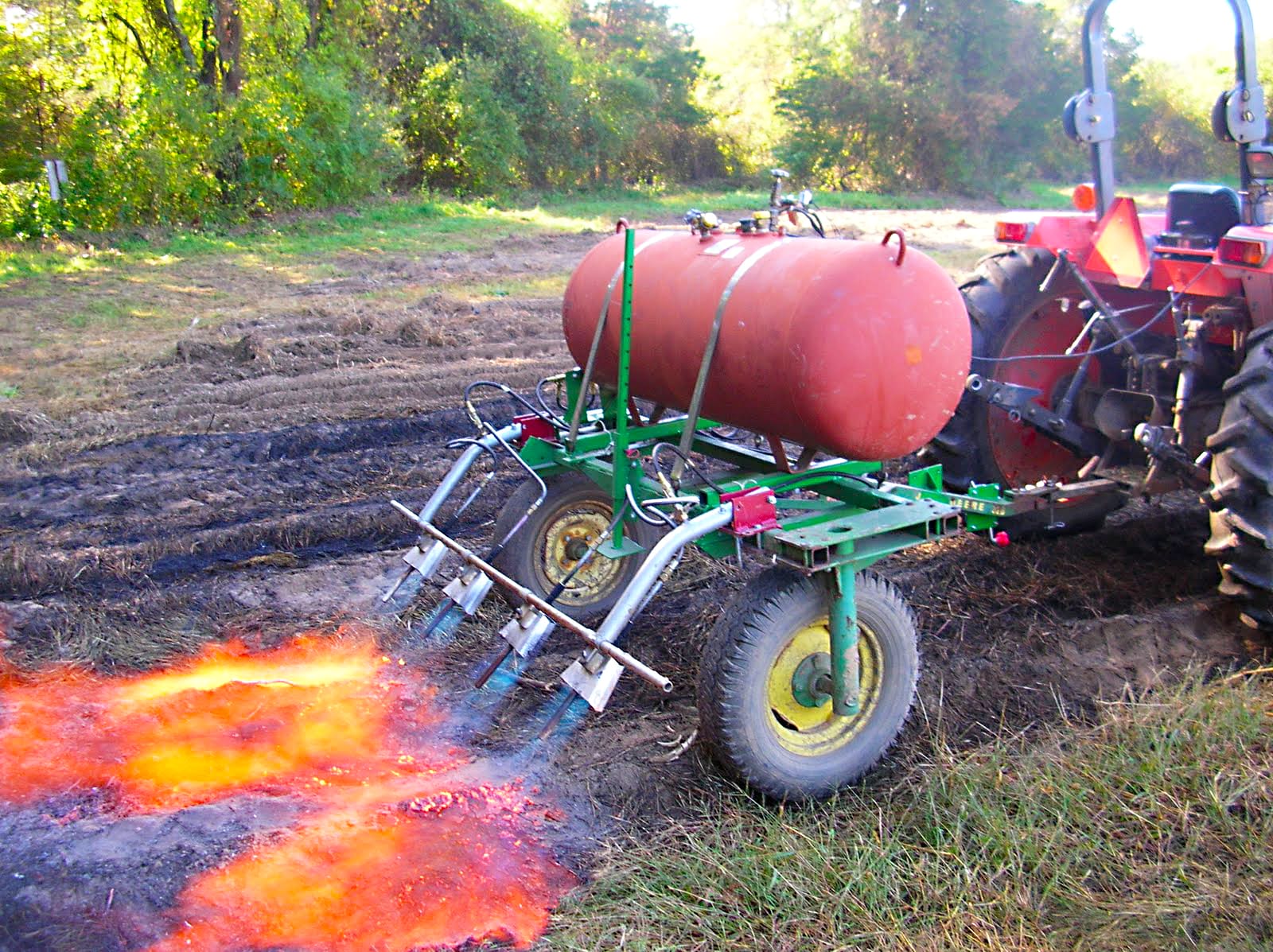
Existe una necesidad urgente de investigar otras opciones de manejo, tales como los períodos de barbecho, las rotaciones de cultivos, los cultivos de cobertura y otras. La próxima publicación de ATTRA a la que se hace referencia anteriormente abordará este tema y otras opciones alternativas para el control de malezas, incluyendo los desmalezadores de llama a propano, los desmalezadores eléctricos de alto voltaje, los desmalezadores robóticos y el corte en peine, tal como se presentó en una entrada anterior del blog de Justin Morris.
Además de esta tecnología emergente, también analizaremos otros tipos de desmalezadoras mecánicas con las que quizá estemos más familiarizados, y cómo estas máquinas se están volviendo más rentables y precisas gracias al uso de sistemas de GPS y de dirección por satélite.
Si estás enfrentando problemas con malezas resistentes a los herbicidas, o si tienes curiosidad por saber qué prácticas sostenibles de control de malezas funcionarían mejor en tu contexto y no quieres esperar a la próxima publicación, siempre puedes contactarnos directamente para recibir asistencia técnica personalizada a través de nuestra línea ATTRA al 800-346-9140, por correo electrónico a askanag@ncat.org o mediante la función de chat de nuestro sitio web. Nuestros especialistas en agricultura, incluyéndome a mí, estarán encantados de analizar tus desafíos y trabajar en posibles soluciones para tu granja.
Este blog es una producción del Centro Nacional de Tecnología Apropiada (NCAT) a través del programa de Agricultura Sostenible de ATTRA, en el marco de un acuerdo de cooperación con el Departamento de Desarrollo Rural del Departamento de Agricultura de los Estados Unidos (USDA). NCAT.ORG/ATTRA.