Selección de cultivos agroecológicos, Parte 1

Proporcionado por:
Escrito por
Recursos relacionados
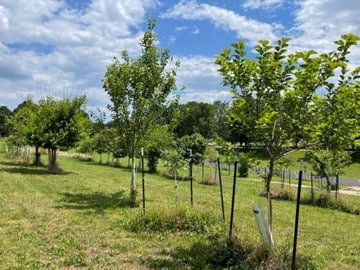
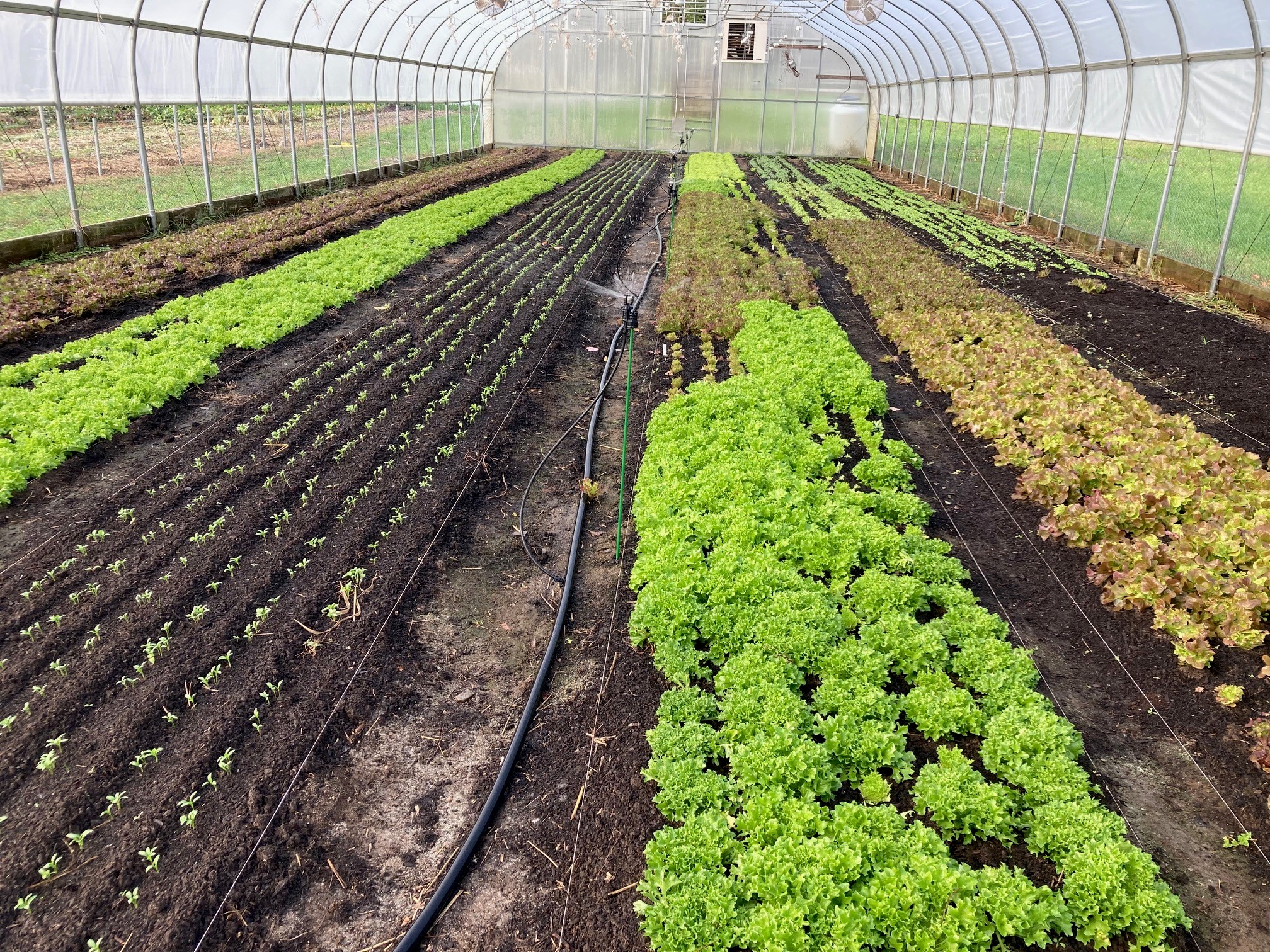
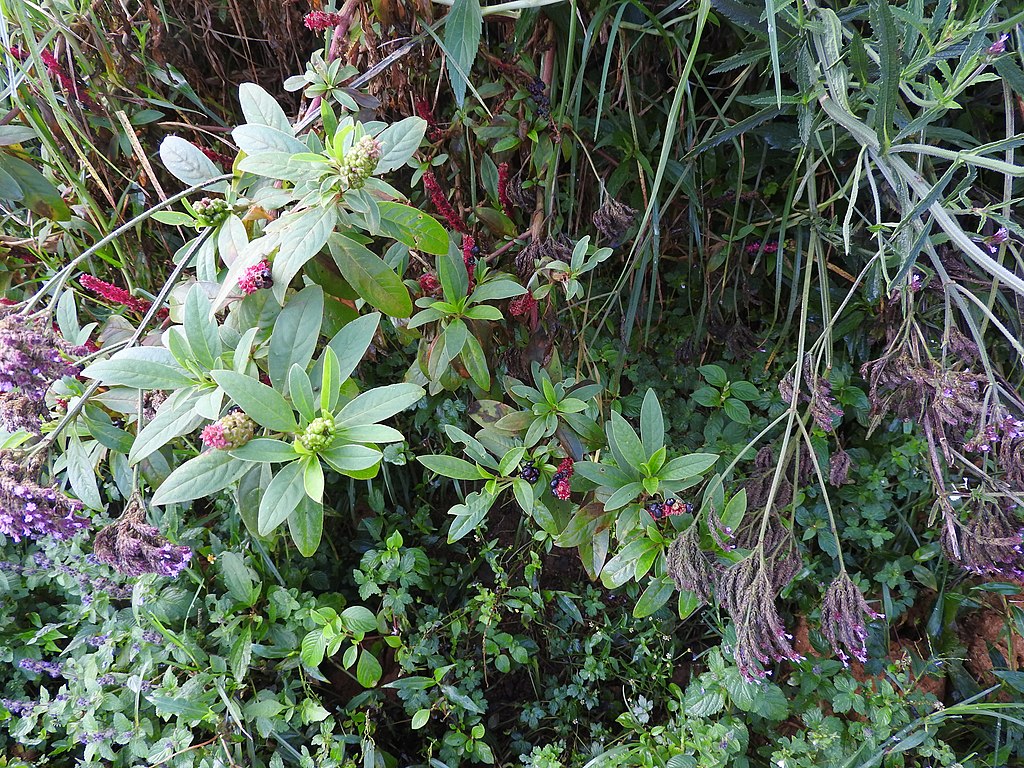
Durante los últimos dos años, el NCAT ha colaborado con el Centro de Educación para la Gestión de Riesgos del Sur para brindar capacitación a los agricultores sobre cómo tomar mejores decisiones respecto a qué cultivos plantar, basándose en métodos agroecológicos. Esta serie de entradas de blog resumirá los temas que compartimos con los productores durante esas clases.
¿Qué quieres cultivar frente a lo que quiere crecer allí? El conflicto clásico: el hombre contra la naturaleza. A lo largo de la historia, los seres humanos han explorado nuevas áreas y han llevado consigo cultivos conocidos, pero también han aprovechado especies de esas nuevas áreas para obtener alimento, refugio y fibra. Algunos cultivos prosperan en esas nuevas áreas, mientras que otros sufren de bajos rendimientos, plagas y enfermedades, así como otros problemas que provocan la pérdida de la cosecha. ¿Qué marca la diferencia entre el éxito y el fracaso en estos sistemas de cultivo?
Un aspecto a considerar son las especies silvestres emparentadas. ¿Qué crece ya en el sitio que esté emparentado con el cultivo deseado? Un buen ejemplo de esto son las zarzamoras. ¿Qué tan bien crecen ya allí las zarzamoras silvestres o las moras de campo? Algunas zarzamoras silvestres están infestadas con la roya anaranjada, pero no todas. La práctica común es eliminar las zarzamoras infectadas del área y plantar variedades resistentes. En lugar de hacer eso, cuestiona si realmente tiene sentido plantar zarzamoras allí. Algo en ese terreno simplemente no es adecuado para ellas, así que planta algo completamente diferente que se adapte mejor a ese entorno específico. Esto te ahorrará costos de insumos. Señales reveladoras de que un cultivo podría prosperar son, por ejemplo, las uvas silvestres, los caquis y las plantas de la familia de las rosáceas. Si hay parientes silvestres creciendo ahí Y prosperando, es muy probable que una de sus variedades cultivadas también crezca en ese lugar. Tener algunos conocimientos de taxonomía puede ser útil para deducir qué cultivos se desarrollarán mejor en un terreno determinado.
Otra consideración son los grupos o complejos de plantas. Las plantas crecen en comunidades. Comprender estas comunidades puede ser útil a la hora de elegir cultivos que crezcan sin necesidad de demasiada intervención. Al igual que con los parientes silvestres, los miembros de estas comunidades o grupos pueden utilizarse para deducir qué cultivos son menos riesgosos de plantar; sin embargo, a diferencia de lo que ocurre al usar familias enteras de plantas como indicadores, es necesario considerar cada especie por separado. Por ejemplo, en mi zona, si a los caquis silvestres (Diospyros virginiana) les va bien, entonces a las zarzamoras silvestres (Rubus trivialis) también les irá bien y, por extensión, las zarzamoras comunes también deberían prosperar. Otros miembros de este complejo incluyen el acebo yaupon (Ilex vomitoria), la baya de belleza americana (Callicarpa americana) y el sasafrás (Sassafras albidum). Utilizar complejos para determinar cuál es el mejor lugar para plantar ciertas especies puede ser complicado, ya que el rango de distribución de los miembros individuales puede ser extenso. Yo no basaría la selección de cultivos en un solo miembro del complejo, sino en varios. Esto variará según la ubicación y requiere un conocimiento de la flora local.
El objetivo de la selección de cultivos agroecológicos es, principalmente, la reducción de insumos. A medida que aumentan los costos de los insumos, disminuyen los márgenes de ganancia. La rentabilidad es parte de la sustentabilidad y, sin ella, la primera se vuelve superflua. En todos los lugares donde los seres humanos se han establecido, han aprendido a aprovechar las plantas locales como alimento. Ahí radica la clave: dondequiera que estés, sea cual sea el tipo de suelo —siempre y cuando algo pueda crecer allí—, las personas que te precedieron conocían las plantas de ese lugar y las utilizaban como alimento. Es probable que esas primeras personas de la zona vivieran en armonía con la naturaleza y pudieran alimentarse sin necesidad de insumos comerciales. Del mismo modo, estés donde estés, hay algún lugar en la Tierra que es similar, y los cultivos de esas zonas deberían crecer bien para ti. Yo me encuentro en el sureste de Texas, y los veranos largos, calurosos, secos y brutales de aquí hacen que muchos agricultores y jardineros se tomen un descanso durante la temporada. Yo también descanso durante el calor, pero no sin antes plantar yuca, caña de azúcar, camote y chaya. A mí estos cultivos me dan buenos resultados, pero ¿por qué? Tanto la yuca como la chaya pertenecen a la familia de las Euphorbiáceas. Sabía que me darían buenos resultados basándome en sus parientes silvestres: Euphorbia maculata, Triadica seberifera y Euphorbia heterophylla. Otro de sus parientes silvestres, la ortiga de Texas, crece cerca y comparte el mismo género que la chaya: Cnidosculus. Aunque mucha gente consume los tubérculos de yuca, yo uso las hojas como verdura fortificante. Son deliciosas y saludables. Además, pueden soportar el verano sin ningún tipo de cuidados.
La selección de cultivos agroecológicos ofrece muchos otros beneficios. Obtén más información en la segunda entrada de este blog (que aparece en la barra lateral de esta página).
Otros recursos:
Centro de Educación para la Gestión de Riesgos del Sur
Este blog es una producción del Centro Nacional de Tecnología Apropiada (NCAT) a través del programa de Agricultura Sostenible de ATTRA, en el marco de un acuerdo de cooperación con el Departamento de Desarrollo Rural del USDA. Este blog también fue posible, en parte, gracias al financiamiento del Centro de Educación para la Gestión de Riesgos del Sur (Southern Risk Management Education Center), del Instituto Nacional de Alimentación y Agricultura del USDA, a través de la Universidad de Arkansas. ATTRA.NCAT.ORG.