Investigadores de Cornell elaboran un mapa de las emisiones de las tierras de cultivo a nivel mundial
Proporcionado por:
Publicado el
17 de febrero, 2026
Comparte esta noticia
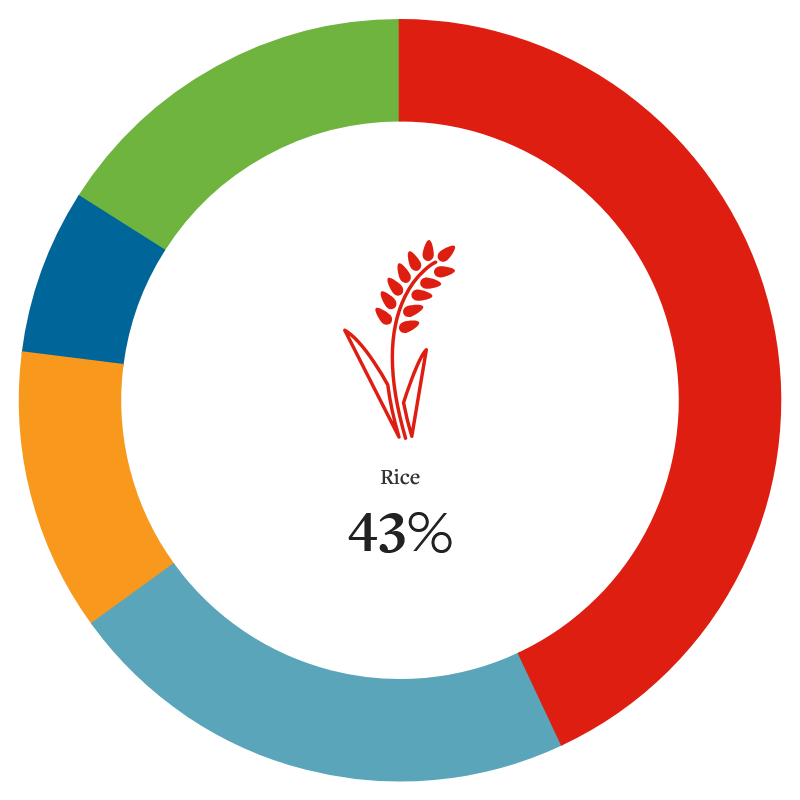
Investigadores de la Universidad de Cornell han utilizado múltiples fuentes de datos y modelos para cartografiar las emisiones de las tierras de cultivo a nivel mundial con una resolución de 10 kilómetros. Los resultados de este trabajo, publicados en *Nature Climate Change*, revelan tanto los cultivos como las regiones que generan más emisiones de gases de efecto invernadero. Cuatro cultivos —el arroz, el maíz, la palma de aceite y el trigo— representaron casi tres cuartas partes de las emisiones de las tierras de cultivo a nivel mundial, aunque el estudio consideró un total de 46 clases de cultivos. Las emisiones se debieron a prácticas de producción como el drenaje de turberas para la producción de aceite de palma, la inundación de los arrozales y el uso de fertilizantes sintéticos. Los investigadores afirman que sus datos ponen de relieve las oportunidades de reducir significativamente las emisiones mediante la adaptación de estrategias de mitigación a cultivos y ubicaciones específicos.