Congress Members Reintroduce Biochar Research Network Act
The Biochar Research Network Act has been reintroduced in the US House as HR 4764 and in the US Senate as S2450. The legislation has a long list of bipartisan sponsors including Senators Chuck Grassley (IA-R) and Martin Heinrich (NM-D), as well as Representatives Mariannette Miller Meeks (IA-R), Chellie Pingree (ME-D), Dan Newhouse (WA-R), Kim Schrier (WA-D), Rodney Feenstra (IA-R), Zack Nunn (IA-R), Mike Lawler (NY-R), Sean Casten (IL-D) and Jimmy Panetta (CA-D).
Democrats and Republicans in Washington don’t often agree. But they do agree that the federal government should invest in research to close critical knowledge gaps on the agronomic and forestry benefits of biochar.
The Act calls for a national, multi-site, research project to test a common set of biochar types in varying soils and circumstances. The research will inform farmers and foresters on which biochar types will have positive effects in their conditions.
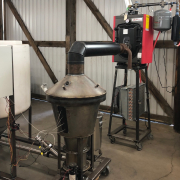
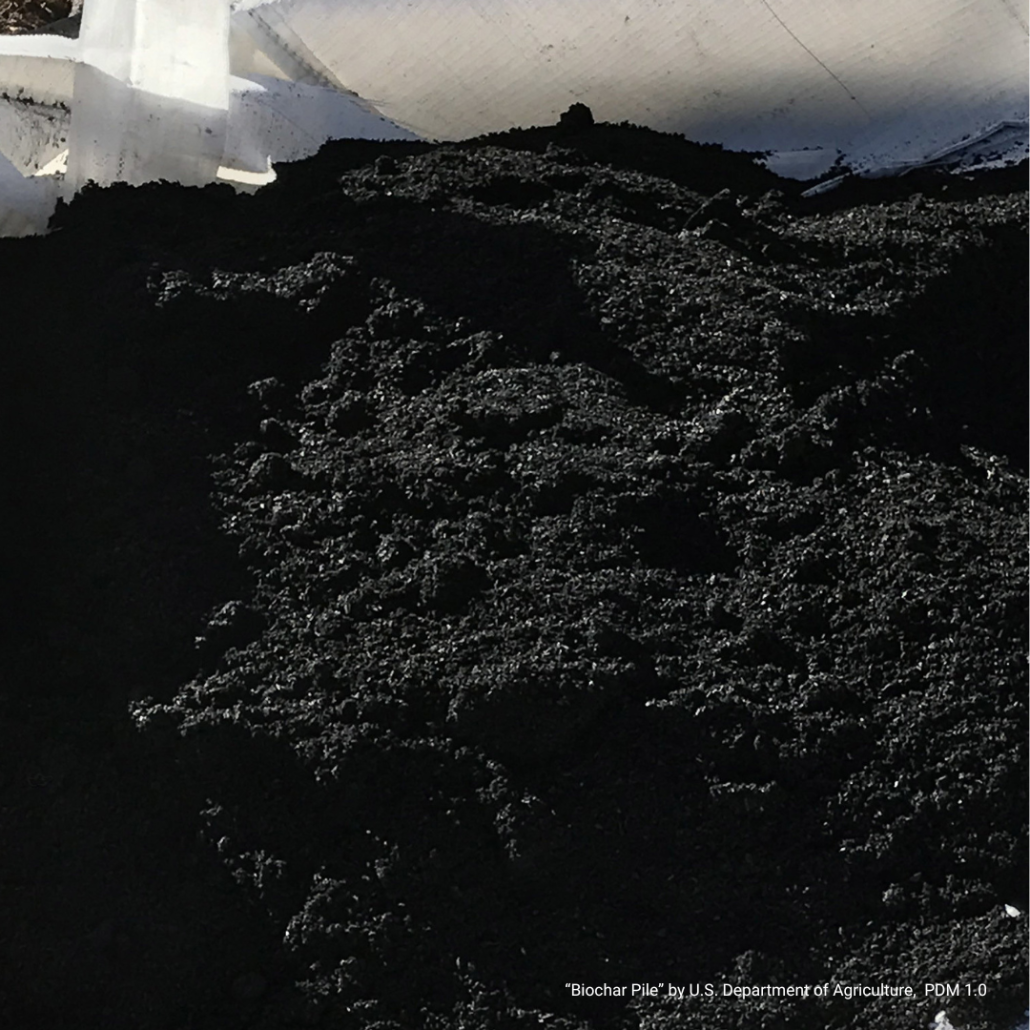
Biochar is produced by heating biomass in the absence of oxygen. Research has demonstrated that biochar can improve soil health, reduce soil emissions of methane and nitrous oxide, increase soil water holding capacity, improve the efficiency of plant nutrient use and raise crop yields. The improved soil water holding capacity can be particularly valuable in enhancing the resilience of crops to extreme weather by soaking up heavy downpours and storing the moisture for use by crops in subsequent dry periods.
Research results on biochar have been inconsistent, however, because diverse types of biochar are being tested in varying conditions. The research supported by the Act would help determine which types of biochar will achieve particular agronomic objectives in differing conditions.
NCAT’s Biochar Policy Project initiated introduction of the Act. If you would like us to keep you informed on developments on biochar related legislation, you can sign up here. We’ll let you know when your email to your representative in Congress can make a difference.

 Courtesy
 Courtesy Carol Ann Fugali