By Martin Guerena, Sustainable Agriculture Specialist
During these challenging times, home gardening has become one of the more popular past times for many people. But what about those of us who don’t want to be at the beck and call of an intensive garden while simultaneously wanting to enjoy the beauty and benefits of a beautiful garden?
While gardening vegetables allows some independence from local supermarkets and the extra expense of organic produce, some of us have the convenience of local farmers’ markets and stores that supply healthy organic food even during these times of COVID-19. I am the type of gardener who appreciates a low garden management/hammock time ratio, the amount of work it takes to care for vegetables makes me inclined to invest my labor strategically and support my local farmers. Additionally, California has been in a drought for the past 20 years and with climate change, there will be a significant challenge to the future water supply. Instead of giving up on gardening, I decided to plant native and drought-tolerant plants creating a xeriscape of flowering plants for pollinators and other beneficial insects.
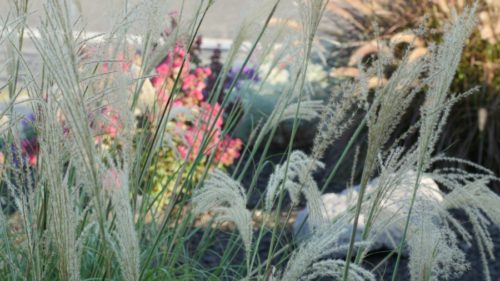
The beauty of the flowering plants is inspiring and contributes to our family’s quality of life, and knowing that they are providing habitat for beneficial insects is satisfying as well. The plants in my garden are a mixture of resilient perennials and annuals which include: Verbena, Yarrow, various Sages, Blue Flax, Lavender, Telegraph Weed, Gumweed, Ceanothus, Flannel Bush, Penstemon, Sedum, Buckwheat, California fuchsia, California Poppy, Love in a Mist, and native grasses such as deer grass, creeping wild rye, California melic, and purple needlegrass. If you live outside of California you can check resources like the Sunset Western Garden Book and local native plants websites that describe plants suited for your conditions. They may also be a good source for seeds and seedlings. You may also want to check ATTRA’s A Pictorial Guide to Hedgerow Plants for Beneficial Insects, which characterizes several of the most beneficial hedgerow plant species used in farmscaping for native pollinators, and insect predators and parasites in California. It provides plant names, bloom times, heights, and descriptions that note considerations for selection and establishment.
A layer of woodchip mulch placed around the plants keeps the soil covered and moist reducing the need to weed and irrigate frequently. I start irrigating about a month after the last significant rain in the spring and then every 3 to 4 weeks (with careful species selection, irrigation can be reduced further) until the beginning of the rainy season in late fall.
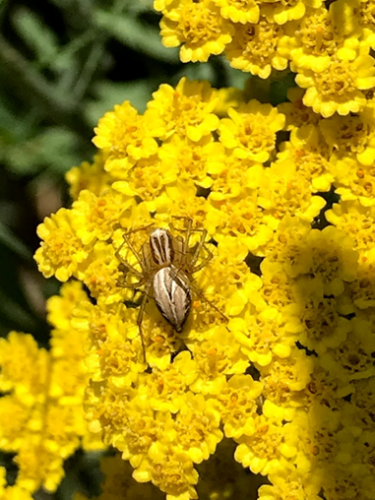
The insects I see on these flowers include bees, wasps, flies, butterflies, moths, beetles and very tiny wasps that I see swarming and hovering above the flowers. Besides pollinators, many of these insects are predators and parasites of pests. Predatory species include praying mantids, ladybugs, green and brown lacewings, assassin bugs, soldier beetles, minute pirate bug, big-eyed bug, syrphid flies, tachinid flies, parasitic wasps, and spiders.
These beneficial insects require refuge plus a pollen and nectar source to feed and provide the ecosystem services of pest control on various insect pests. My stone fruits and pear trees rarely have any aphids or other insect pests through the season.
In summary, the benefits of drought-tolerant gardens are:
- Harnessing of pollinators and beneficial insects.
- Attracts other wildlife such as birds and reptiles.
- Reduced water use and water bill.
- Less maintenance.
- Beautiful landscape.
ATTRA Resources
- Pest Management Topics https://attra.ncat.org/topics/pest-management/
- Soils and Compost Topics https://attra.ncat.org/topics/soils-compost/
- Water Management Topics https://attra.ncat.org/topics/water-management/

 You might be able to gain new customers during this time, as people are wanting to stock their freezers and prepare for supply-chain disruptions. You want to ensure that these new customers continue purchasing from you even after the grocery stores are restocked. In order to do this, you must provide an excellent product and good customer service. It is tempting to quickly scale up production to take advantage of the demand, but don’t do so at the cost of quality. Don’t process and sell animals that don’t meet your highest quality standards. Providing great customer service is another way to keep customers coming back. NCAT Specialist Dave Scott and his wife Jenny shared some really great tips on providing excellent customer service to their meat customers in the “Direct Marketing Meat” podcast series.
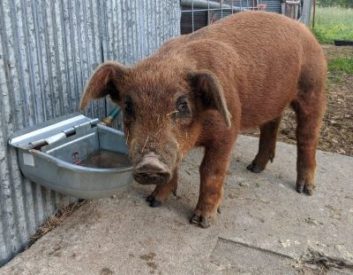
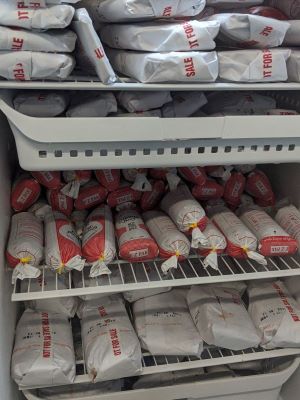 Another challenge many livestock producers are facing is the lack of processing. Access to meat processing facilities has always been a challenge for small-scale livestock producers. The problem has been exacerbated during the pandemic. Producers are increasing production in response to increased demand for direct-to-consumer meat sales—which means there are more animals to process in facilities that already have limited availability. For example, I can usually call just a couple of months in advance to schedule a processing date for our animals; I called our processor in May and the earliest dates they had were in January 2021! Our hog will be awfully big by then. If you are a livestock producer and haven’t already booked your processing appointments for the coming year, I encourage you to call your processor today. I had a great conversation with Rebecca Thistlethwaite with the