

Energy Programs
NCAT’s clean energy practices are grounded in conservation and the responsible use of resources. All energy production carries an embodied environmental impact, including emissions and resource use. We conduct energy audits to identify the most effective energy conservation measures for reducing consumption. Economic analyses then help prioritize these measures based on their cost-effectiveness and potential return on investment.
By reducing energy demand first, clients can often install a smaller onsite renewable energy system at a lower cost and achieve a faster break-even point. This approach ensures that investments in both energy efficiency and renewable energy have the greatest possible impact on reducing the overall environmental impact of energy use.
At a broader scale, widespread energy conservation can reduce overall demand on the grid, potentially leading to lower utility costs for all ratepayers over time. Additionally, our auditors are also experts in identifying local, state, federal, and utility incentives to further improve the economic feasibility of clean energy improvements.


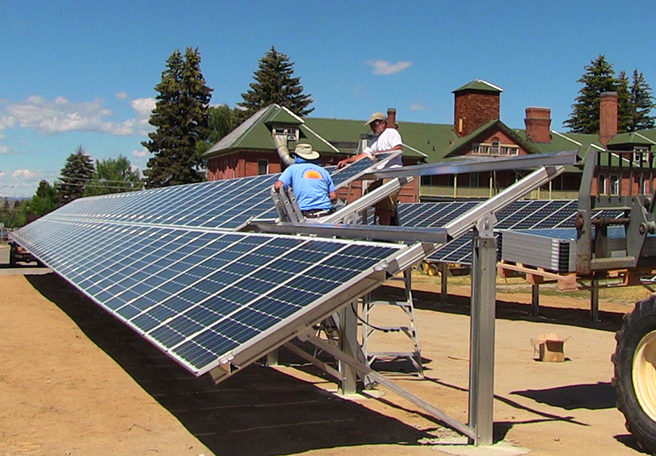



Energy Services
Commercial Energy Services
NorthWestern Commercial Energy Rebates
NCAT is an Energy Efficiency Performance Contractor that assists NorthWestern Energy’s commercial customers in Montana. We identify and implement cost-effective energy efficiency improvements and we are experienced in supporting NorthWestern Energy’s commercial energy efficiency programs. We help businesses navigate and facilitate documentation for rebate opportunities and business partner submissions for commercial customers pursuing energy efficiency improvement projects.
Click for more information on our team!
Energy Audits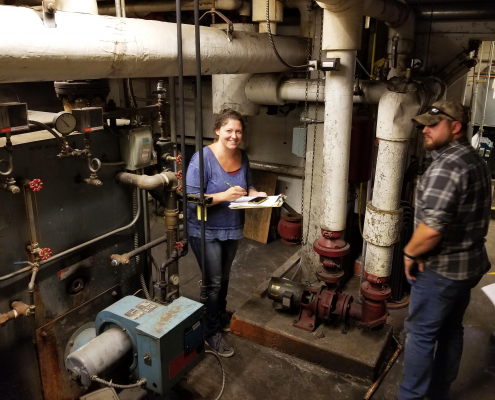
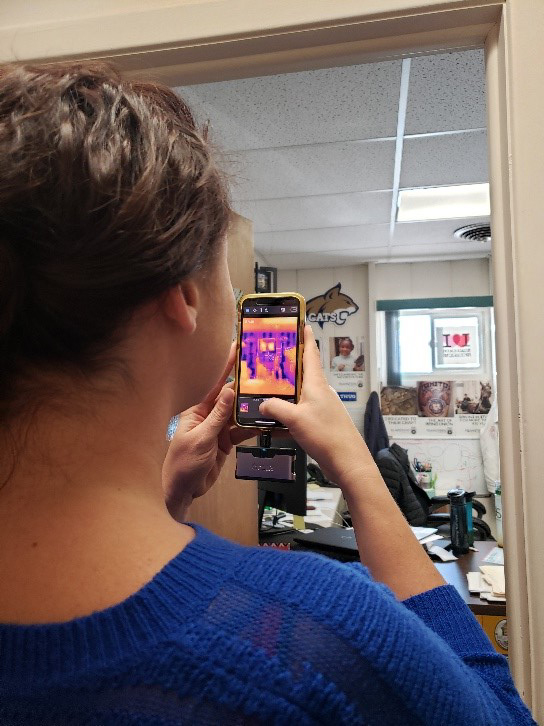
Energy tune-ups that analyze energy usage, identify energy-saving opportunities, identify renewable energy options, and estimate project costs. Our team of engineers, scientists, and certified solar designers approach buildings and businesses holistically. We work with building owners and operators to scope energy audits based on their budget, timeline, operational concerns, and energy goals.
We analyze heating, ventilation, and cooling (HVAC), refrigeration, motors, pumps, building shell, and lighting systems, and evaluate the site for potential alternative energy or fuel-switching opportunities. We have extensive experience auditing:
- Hospitals and clinics
- Schools and campuses
- Offices
- Breweries
- Hotels
Contract Services
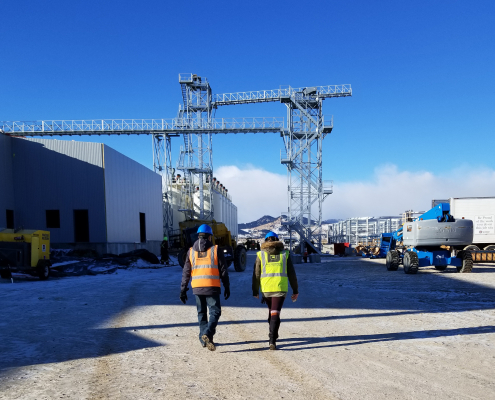 NCAT’s energy team contracts with utilities to facilitate their energy conservation programs. We are a nonprofit that helps people save energy cost-effectively and appropriately. We are an independent, scientific, customer advocate with over 40 years of experience in energy efficiency. We do not sell equipment, lighting, construction, or financial services and do not recommend specific contractors, products, or companies.
We work with utility customers to identify energy conservation opportunities, maximize their rebates and incentives, and minimize project and operating costs. NCAT has worked as a NorthWestern Energy contractor for more 20 years, longer than any other contractor in Montana. We’ve completed more than 3,000 projects in the utility’s territory and saved 1,387,599,007 kilowatt-hours of energy. That’s enough energy to power cell phones for the entire world population!
We also specialize in rural facilities, communities, and energy supplies. We’ve operated rural energy audit programs in partnership with state and federal government agencies, including the Montana Facility Finance Authority, and the Montana Department of Environmental Quality. Through these partnerships, our work has resulted in millions of dollars of energy-cost savings and decreased the energy consumption of large facilities such as hospitals, nursing homes, manufacturing plants, industrial facilities, retail stores, breweries and more.
Our work with 250 schools has resulted in more than $30 million in energy cost savings!
Commercial Resources
-
Farms – Tutorials on farm building efficiency, outdoor lighting, irrigation efficiency, solar, small-scale wind, and biodiesel.
-
Breweries and Distilleries – Strategies and equipment to reduce water and energy use during the brewing and distilling process.
-
Government Buildings – Suggestions for improving the efficiency of a building’s envelope, heating and cooling processes, lighting, water heating, equipment, fans, ventilation, and ductwork.
-
Healthcare – Energy saving ideas for healthcare buildings, with a focus on lighting, water heaters, HVAC, and coolers.
-
Lodging – Highlights possible energy conservation projects in key areas, as well as “Low hanging fruit” suggestions for lower capital costs and immediate paybacks.
-
Manufacturing – Energy management practices and suggestions for potential improvements that can be made in most industrial manufacturing settings.
-
Office – Computer and lighting controls tips, plus advice for HVAC efficiency.
-
Retail and Convenience Stores – Energy efficiency tips for the biggest areas of energy consumption: refrigeration, lighting, and HVAC systems.
-
Schools – Best practices for on-site energy reduction, plus recommended areas to consider for energy improvements.
Residential Energy Services
Homes that are energy-efficient not only cost less to maintain and are more resilient, but are also healthier and more comfortable for residents. For nearly 50 years, NCAT’s Residential Energy Services has created trusted, practical tools and resources to help builders, homeowners, and renters better understand energy codes, energy-efficient home construction and operation, and performance testing.
NCAT’s energy team has created a group for stakeholders in Montana’s residential building industry to discuss energy code, building science, and gaps in technical assistance in effort to improve the energy efficiency, safety, and durability of Montana’s homes.
Residential Resources
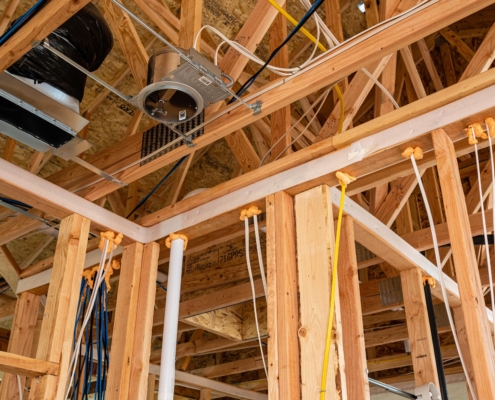
- New Home Buyer’s Guide to Energy – This guide introduces the Montana Energy Code, which applies to new residential buildings in Montana. It aims to improv energy efficiency, reduced costs, and enhance comfort for new home buyers.
- Building and Duct Tightness Testing Guide – The document is a guide for conducting building and duct tightness testing in accordance with the 2018 International Energy Conservation Code (IECC), emphasizing the importance of performance testing for energy efficiency in residential construction.
- Building and Duct Tightness Testing Guide – Companion piece for the Building and Duct Tightness Testing Guide
- Montana Energy Code Guide For New Home Construction – This Montana Department of Environmental Quality (DEQ) document outlines energy code requirements for new home construction, ensuring comfort, health, and energy efficiency. It provides guidelines for air sealing, ventilation, ducting, and insulation, as well as energy code compliance for ceilings and attic access hatch/door.
- Montana Energy Savers Guidebook – This DEQ Guidebook gives several examples of energy-saving measures that help improve home energy efficiency. It provides recommendations for heating, refrigeration, and water heating to reduce energy consumption and costs.
- Montana Residential Code Handbook – This 2021 Montana Residential Energy Code Handbook aims to assist builders and designers in complying with the residential provisions of the new 2021 International Energy Conservation Code (IECC). This handbook emphasizes the major changes, but it is not a substitute for the full text of the 2021 IECC or the Montana Amendments, Administrative Rules of Montana (ARM) 24.301.161. As before, the IECC includes provisions for both residential and commercial new construction.
- Montana Residential Code Quick Reference – The Montana Residential Code Quick Reference outlines the requirements for building codes in Montana, focusing on energy efficiency standards. It specifies compliance criteria for different types of energy codes and provides guidelines for installing and maintaining building materials.
- Energy Efficient Farms Toolkit – Tutorials on farm building efficiency, outdoor lighting, irrigation efficiency, solar, small-scale wind, and biodiesel.
AgriSolar Clearinghouse
The AgriSolar Clearinghouse is a nationwide hub developed by NCAT to connect businesses, landowners, and researchers with trusted resources to support growth of co-located solar and sustainable agriculture, also known as agrivoltaic development. Join the AgriSolar community.

NCAT connects people who need help paying heating and cooling costs with local resources through the Low-Income Home Energy Assistance Program (LIHEAP) Clearinghouse and the National Energy Assistance Referral hotline.
Energy Team

Carl Bernsten
Energy Program Director
Marisa Larson
LIHEAP Clearinghouse and NEAR Manager
Guy LeGrant
National Energy Assistance Referral Specialist
Danielle Miska
Senior Commercial Energy Engineer
Anna Richmond-Mueller
Energy Analyst
Jennifer Sherman
NEAR/LIHEAP Specialist
Terry Streit
Commercial Energy SpecialistContact the Energy Team
If you’d like to inquire about NCAT’s energy initiatives, please get in touch.